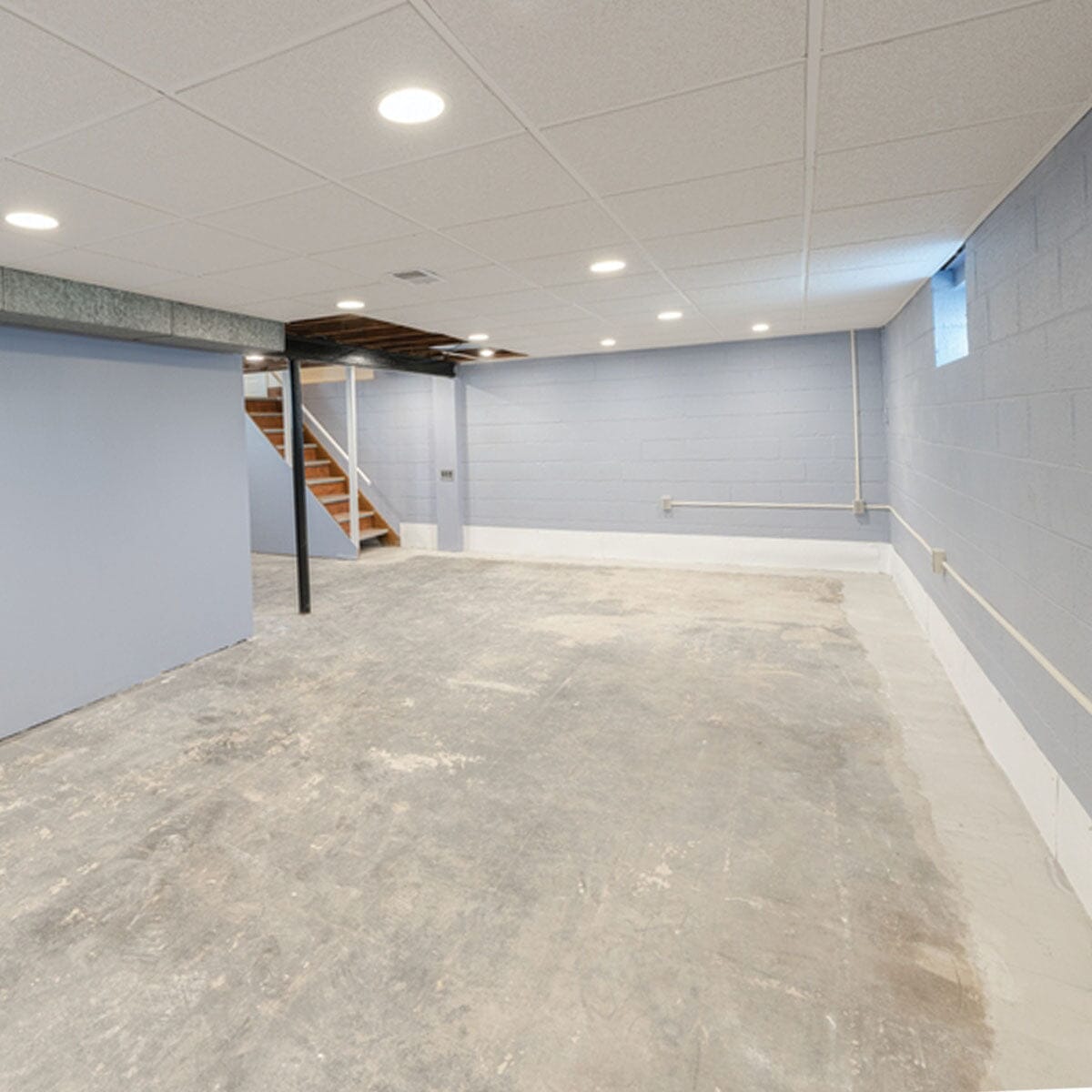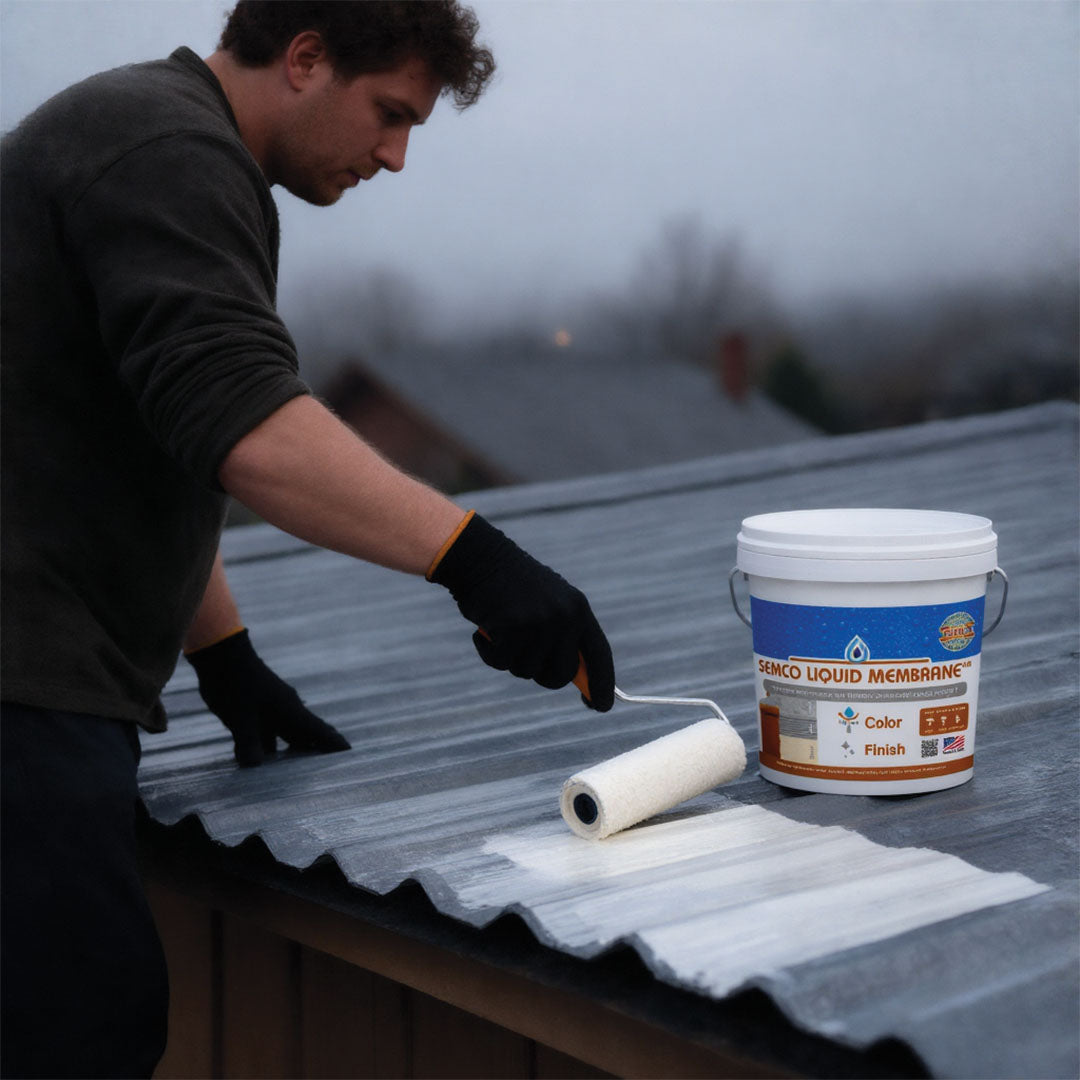

For most basement projects, a water-based liquid membrane is the better fit for full wall and floor coverage, while a silicone-based coating is built for something narrower: a thin, fast-curing layer under tile in a wet area. Both are genuine waterproofing chemistries. The difference is what each one was actually engineered to do, and basements ask for more than most silicone-based products are designed to give.
Our basement membrane buyer's guide covers this at a high level. This is the deeper version: what each chemistry is actually built for, a closer comparison table, and a scenario-by-scenario breakdown of which one belongs in your basement.
In This Comparison
- What silicone-based coatings are actually built for
- What a water-based liquid membrane is built for
- The full comparison table
- Which one fits your basement, by scenario
- Can you use both, or switch between them?
- FAQ
What Silicone-Based Coatings Are Actually Built For
Silicone-based waterproofing products in this category are ceramic-fortified elastomeric coatings, tested to standards like ANSI A118.10 for waterproofing and A118.12 for crack isolation. They're formulated to cure fast, often ready to recoat within a few hours and ready for tile the same day or the next, which is exactly why they're the default choice for tile setters working against a schedule.
That speed comes from the job they're built for: a thin coat, usually rolled or troweled on, over a shower pan, a tile backer board, or a floor that's about to be covered in thinset and tile. Elongation on these products commonly falls somewhere in the 300 to 800 percent range depending on the specific formulation, which is plenty to bridge hairline movement under tile. Most change color as they cure (often pink or blue when wet, a different shade once fully cured) so installers can visually confirm full coverage before setting tile over it.
What they're not generally built or packaged for is standing in as the finished, exposed surface on a full basement wall or floor. Containers are typically sized in quarts and gallons for a shower or a bathroom floor, not calibrated for the square footage of an unfinished basement, and the cured film is meant to disappear under tile rather than hold up as a walkable or paintable surface on its own.

What a Water-Based Liquid Membrane Is Built For
SEMCO Liquid Membrane is a single-component, water-based waterproofing membrane rated at 1,300% elongation and 400+ PSI adhesion strength, sold by the pail (pint through 5-gallon) specifically for coverage across full walls, floors, and other large surfaces rather than a narrow under-tile layer. It's rated to handle up to 10 PSI of vapor transmission and can reduce relative humidity in a treated space by up to 75%, which matters in a basement that's fighting moisture vapor pushing up through the slab, not just surface dampness.
Because it's water-based, cleanup is soap and water while it's wet, there's no solvent smell to ventilate, and it doesn't require a respirator to apply in an enclosed, unfinished basement. It cures over a longer window than a fast-set silicone-based product (days rather than hours), which is the trade-off for a formulation built to be left exposed, painted over, or lived with in a finished space rather than buried under tile within the hour.
The Full Comparison Table
| Factor | Water-based membrane (SEMCO Liquid Membrane) |
Silicone-based coating (ceramic-fortified elastomeric) |
|---|---|---|
| Built for | Full wall, floor, and joint coverage | Thin under-tile layer in a wet area |
| Elongation | Up to 1,300% | Roughly 300 to 800%, varies by product |
| Cure / recoat time | Longer window, days to full cure | Fast, often recoat or tile within hours |
| Odor / respirator | Low odor, none typically needed | Noticeable chemical smell, ventilation recommended |
| Typical container size | Pint to 5-gallon pail | Quart to gallon |
| Can it be the finished surface? | Yes, paintable or color-matched, no tile required | No, generally needs thinset and tile over top |
| Vapor transmission handling | Rated to 10 PSI, reduces RH up to 75% | Not typically rated for slab-level vapor drive |

1,300% elongation, 400+ PSI adhesion, low odor, built for full wall and floor coverage. 200 to 250 sq ft per gallon.
Which One Fits Your Basement, by Scenario
You're waterproofing a small wet area before tile
A shower pan, a bathroom floor, or a small wet-room area that's about to be tiled is exactly what silicone-based coatings are built for. Fast cure, small container sizes, and a color-change cure indicator all suit a bounded, tiled-over area.
You're waterproofing full basement walls or floors
This is the water-based membrane's job. Larger container sizes, a formulation meant to be left exposed or painted, and coverage rated for full walls and floors rather than a single tiled room all point the same direction.
You have a floor-to-wall joint or cracks over a quarter inch
Either chemistry can bridge a crack, but a joint that keeps moving needs a compatible fabric reinforcement embedded between two coats, not just extra coats of either coating on its own.
You'll be finishing and living in the space
Low odor and no respirator requirement matter more when you're working in an enclosed, unfinished basement all weekend, and a water-based membrane's paintable, exposed-surface finish suits a space you plan to finish rather than tile over.
You're dealing with rising humidity or vapor, not just visible leaks
If the issue is moisture vapor pushing up through the slab rather than a specific crack or joint, look for a membrane rated for vapor transmission resistance specifically, which is not a spec silicone-based tile underlayments are generally tested against.


Woven fabric embedded wet between two coats of membrane at floor-to-wall joints and cracks wider than 1/4 inch.
Can You Use Both, or Switch Between Them?
In practice, most basements only need one. A common split is a silicone-based coating under tile in a basement bathroom or wet bar, and a water-based membrane on the surrounding block or poured walls that will stay exposed or painted. Check that any product is fully cured before coating over it with a different chemistry, and confirm compatibility on the data sheet first rather than assuming two waterproofing products will bond to each other the way they each bond to concrete.
Whichever chemistry you land on, timing the job matters just as much as the product. Our basement waterproofing checklist to run before fall rains walks through exactly when to start and what to check first, so the coat you choose here has time to fully cure before the wet season arrives.
Frequently Asked Questions
Is silicone-based or water-based better for basement waterproofing?
It depends on the surface. Silicone-based coatings are built for thin, fast-curing coverage under tile in a wet area. A water-based membrane is built for full wall and floor coverage that can stay exposed, which is what most basement waterproofing jobs actually need.
Can I leave a silicone-based coating exposed instead of tiling over it?
Most silicone-based products in this category are formulated and packaged for under-tile use, not as a standalone finished surface. Check the manufacturer's data sheet before planning to leave one exposed.
Why does a water-based membrane take longer to cure than a silicone-based coating?
The fast cure on silicone-based products is built around getting tile down the same day. A water-based membrane trades that speed for a formulation meant to be lived with, painted, or left exposed rather than buried under tile within hours.
Do I need a respirator for either product?
Water-based membranes are generally low-odor and don't require one. Silicone-based coatings carry a more noticeable chemical smell during cure, so ventilate the space and check the product's safety data sheet.
Which one handles a floor-to-wall joint better?
Neither chemistry alone is enough at a joint that keeps moving. Either one needs a compatible fabric reinforcement embedded wet between two coats at that specific spot.
How much does each one cost for a basement-sized job?
Silicone-based coatings are usually cheaper per container but sized for small tile areas, not full basements. SEMCO Liquid Membrane runs about $0.39 per square foot on a 5-gallon pail, which is typically the more economical route once you're covering full walls and floors rather than a single wet room.
Waterproofing full basement walls or floors?
SEMCO Liquid Membrane is built for exactly that: full coverage, low odor, no tile required.
Shop Liquid Membrane →Free shipping on orders over $99. 5-year standard limited warranty.
Further Reading
- Basement Waterproofing Membrane: How to Choose One That Won't Fail
- Basement Waterproofing Checklist: 7 Steps Before Fall Rains Hit
- Water-Based Membrane or Silicone-Based Coating: Which Belongs on a Metal Roof
- How to Waterproof a Basement From the Inside: The Complete DIY Guide
Related reading:
- Silicone-Based Waterproofing Coatings vs Water-Based Membranes: A DIYer's Guide
- Liquid Rubber Alternatives: A Longer-Lasting Way to Waterproof
- Water-Based Membrane or Silicone-Based Coating: Which Belongs on a Metal Roof
- Water-Based Membrane vs Rubber-Based Coating for Basement Walls: Which One Actually Stops Water