
A liquid waterproofing membrane is a coating that goes on wet, usually with a roller, brush, or sprayer, and cures into a single, seamless, flexible waterproof layer stuck directly to the surface. Unlike a sheet membrane, which comes in rolls that have to be cut and seamed together, a liquid membrane has no joints for water to find, which is why it's become the standard DIY approach for basements, showers, roofs, decks, pools, and foundations. This guide covers what it is, how it works, the different types on the market, where it's used, how to apply it, and what it costs.
In this guide
- What is a liquid waterproofing membrane?
- How does it work?
- Liquid membrane vs sheet membrane
- What types are there?
- Where is it used?
- How do you apply it?
- How long does it last?
- How much does it cost?
- FAQ
What is a liquid waterproofing membrane?
A liquid waterproofing membrane is a liquid-applied coating, not a sheet or a spray-foam, that cures into a continuous, rubber-like barrier over concrete, wood, metal, or masonry. Because it's applied as a liquid, it self-levels into cracks, corners, and pipe penetrations that are difficult to seal with rigid or sheet-based products, and it forms one continuous membrane with no seams once cured. Most liquid membranes are also anti-fracture, meaning they stay flexible enough to bridge small cracks that develop in the substrate underneath without tearing.
How does a liquid waterproofing membrane work?
You apply it in thin, even coats, typically two coats minimum, each at 15 to 20 mil, letting each coat dry to the touch before the next goes on. As it dries, the liquid cures into an elastomeric film, meaning it can stretch significantly under movement (a quality product-tested membrane can stretch over 10 times its original length) and spring back without cracking. That elasticity is what lets it bridge hairline cracks in the substrate as the building or slab naturally moves with temperature and settling, something a rigid coating like paint or a brittle cementitious sealer can't do.
Liquid membrane vs sheet membrane: what's the difference?
Sheet membranes come pre-manufactured at a consistent thickness and are rolled out and adhered or torched onto the surface, with seams overlapped and sealed. Liquid membranes are applied wet on site and cure in place. Each has trade-offs.
| Factor | Liquid membrane | Sheet membrane |
|---|---|---|
| Seams | None, fully continuous once cured | Overlapped seams that must be sealed correctly |
| Complex shapes, corners, pipes | Self-levels into detail work | Needs cutting and detail flashing |
| DIY application | Roller, brush, or sprayer | Often needs adhesive, a torch, or specialty tools |
| Thickness consistency | Depends on application technique | Factory-controlled and consistent |
| Repair | Recoat the damaged area directly | Cut and patch a new sheet section |
What types of liquid waterproofing membranes are there?
Liquid membranes are generally grouped by the compound they're built from, and the compound determines how they cure, smell, and perform:
- Water-based membranes: cure as water evaporates out of the formula, generally low odor and low VOC, safe to apply in enclosed spaces like bathrooms and basements, and cleanup is soap and water. SEMCO Liquid Membrane falls in this category, at 14 g/L VOC content.
- Rubber-based coatings (rubberized asphalt/polymer rubber): flexible and UV resistant in many formulations, but often carry more odor during cure and can be more expensive than cementitious options.
- Silicone-based coatings (ceramic-fortified elastomeric membranes): known for adhesion and being widely available at hardware stores, though they dry harder and less flexible than a true elastomeric membrane once fully cured.
For a deeper side-by-side on cure time, adhesion, elongation, and cost, see our Silicone-Based vs Water-Based Waterproofing guide.

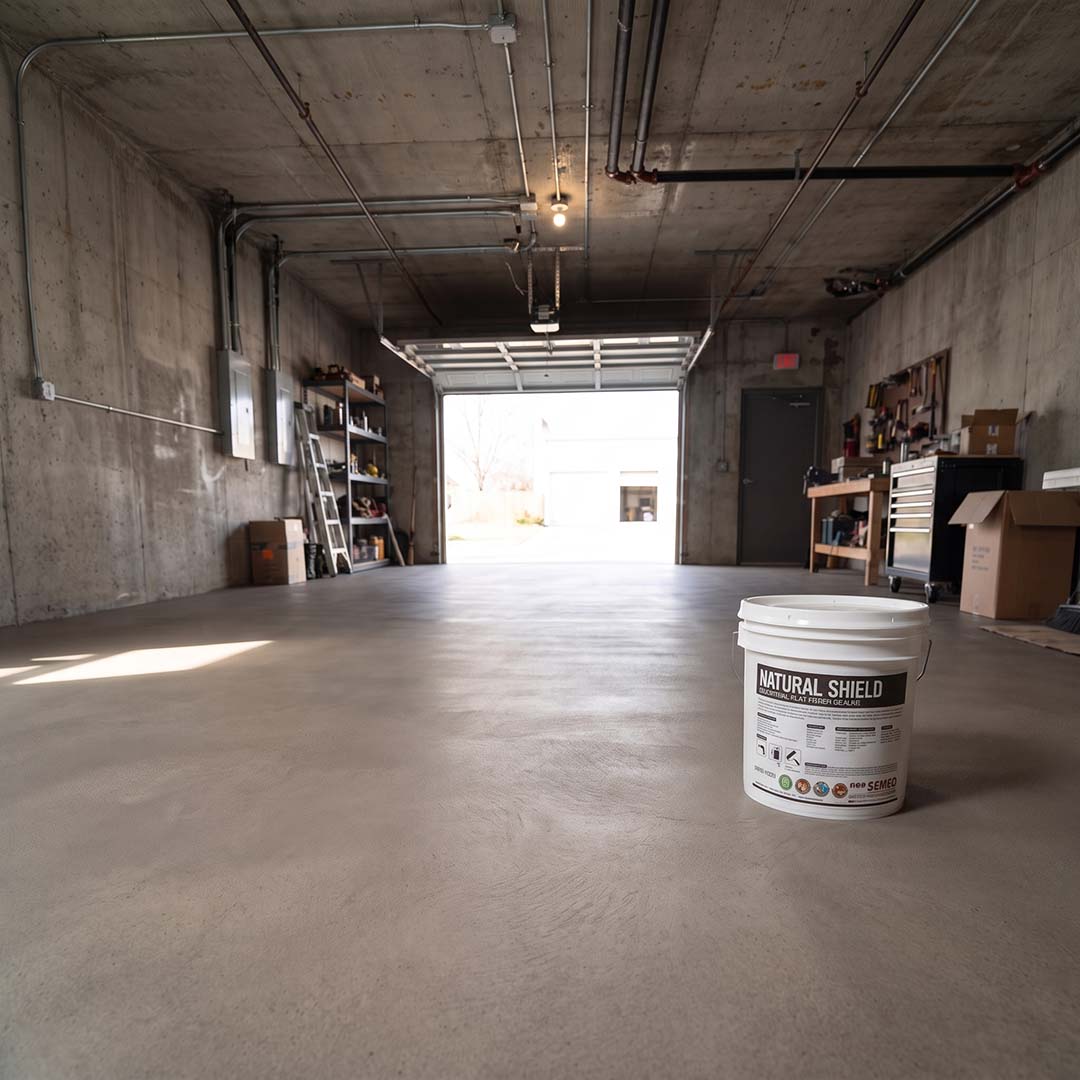
Single-component, water-based liquid waterproofing membrane. 1,300% elongation, 14 g/L VOC.
Where is a liquid waterproofing membrane used?
Because it self-levels and bonds to most substrates, a liquid waterproofing membrane shows up in almost every part of a home that needs to keep water out:
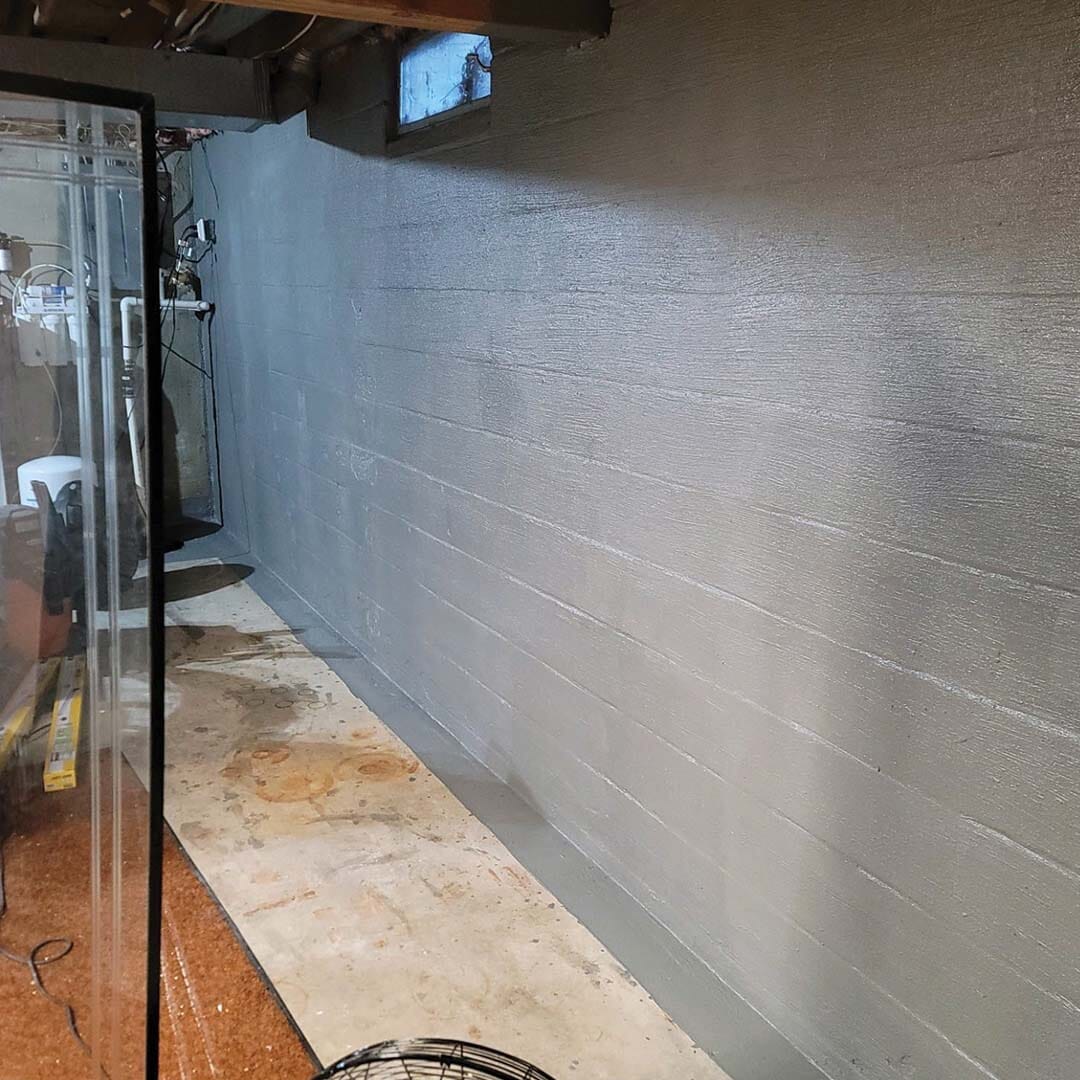
- Basements and foundations: interior walls and floors below grade. See How to Waterproof a Basement From the Inside and Foundation Waterproofing FAQs.
- Showers, before tiling: under the tile and grout, which aren't waterproof on their own. See the Shower Waterproofing Membrane Guide.
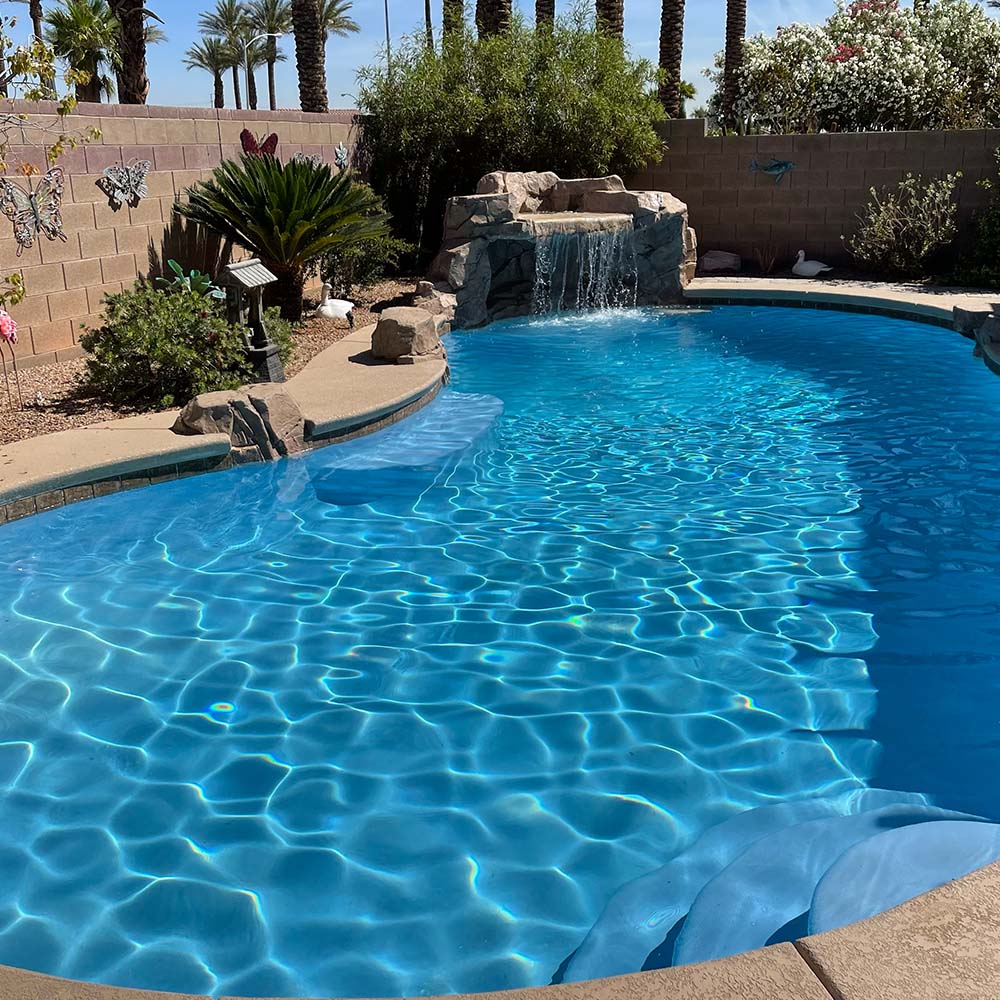
- Pools and water features: once fully cured, a water-based, low-VOC membrane is used in pools, ponds and fountains. For fish, plants or drinking water, check with the manufacturer first. See Winterizing Your Concrete Pool.
- Retaining walls: to stop seepage and efflorescence from pushing through block or poured concrete. See Retaining Wall Waterproofing Solutions.
- Roofs, including old bitumen and flat roofs: as a renovation layer without full demolition. See Liquid Waterproofing on Old Bitumen Substrates and Cool Roofs & Energy Efficiency.
- CMU and block walls: which are naturally porous and prone to water wicking through. See the Ultimate Guide to Waterproofing CMU Walls.
- RV roofs: as a flexible, UV-stable coating for EPDM and TPO roofs. See Full-Time RV Living Requires Full-Time Protection.
How do you apply a liquid waterproofing membrane?
The process is broadly the same across surfaces, though prep and coat count vary by substrate:
- Prep the surface. Clean, degrease, and remove any mineral deposits or efflorescence so the membrane can actually bond. This step is the single biggest reason DIY waterproofing jobs fail. See the full Surface Prep Guide.
- Reinforce cracks and seams. Cracks wider than 1/4 inch generally need a fabric reinforcement embedded in the wet membrane to bridge the gap; smaller cracks can be coated directly.
- Apply the first coat. Roll, brush, or spray a thin, even coat. Avoid puddling.
- Let it dry to the touch, then apply a second coat in an alternating direction for full, even coverage. Most products need a minimum of two coats; SEMCO Liquid Membrane goes on at 15 to 20 mil per coat.
- Let it cure fully before exposing the surface to water or heavy use. Cure time depends on temperature, humidity, and airflow.

How long does a liquid waterproofing membrane last?
A properly prepped and applied liquid membrane is a long-term waterproofing layer, not a short-term patch, since the elastomeric film is built to stay flexible and keep bridging minor movement for years rather than going brittle and cracking the way a rigid coating eventually does. Longevity depends heavily on surface prep and coat thickness more than on the product alone, which is why prep is worth the extra hour it takes.
How much does a liquid waterproofing membrane cost?
Cost scales down as you buy larger containers. SEMCO Liquid Membrane, for reference:
| Size | Coverage (2 coats) | Price |
|---|---|---|
| 1 Pint | Up to 15 sq ft (concrete/wood) | $26.80 |
| 1 Quart | Roughly 4x the pint coverage | $41.30 |
| 1 Gallon | Roughly 4x the quart coverage | $113.75 |
| 5 Gallon | Largest per-sq-ft value, about $0.43/sq ft | $434.60 |
Coverage varies by surface porosity and application method. Check current pricing and coverage calculators on the product page before ordering.
Frequently asked questions
Is a liquid waterproofing membrane the same as waterproof paint?
No. Waterproof paint is typically a thinner, less elastic coating meant mainly to resist moisture on the surface. A true liquid waterproofing membrane cures into a much thicker, highly elastic film (often stretching well over 10 times its length) specifically designed to bridge cracks and handle sustained water contact, including submersion in some formulations.
Can I apply a liquid waterproofing membrane myself?
Yes. Most water-based liquid membranes are designed for DIY use with a roller, brush, or basic sprayer, no specialty tools or licensing required. The most important factor for a successful DIY result is surface prep, not the application itself.
Does a liquid waterproofing membrane smell?
It depends on the compound type. Water-based membranes are generally low odor and safe for enclosed, unventilated spaces. Rubber-based and solvent-based coatings tend to carry a stronger smell during cure.
Can a liquid waterproofing membrane go over cracks?
Yes, that's one of its main advantages over rigid coatings. Small cracks (generally under 1/4 inch) can be coated directly. Wider cracks typically need a fabric reinforcement embedded into the wet membrane first to bridge the gap without tearing as the crack moves.
Is liquid waterproofing membrane safe for pools?
Once fully cured, SEMCO Liquid Membrane is used in pools, ponds and fountains: three coats of 15 to 20 mil each, then a 7-day minimum cure before filling. For fish ponds, drinking water or anything that touches food, call SEMCO on 1-833-211-2297 to confirm it suits your project before you start.
Ready to waterproof your project?
SEMCO Liquid Membrane is a single-component, water-based liquid waterproofing membrane built for DIY application, indoors or out.
Shop SEMCO Liquid Membrane →Free shipping on orders over $99 (48 contiguous states).
Related reading: