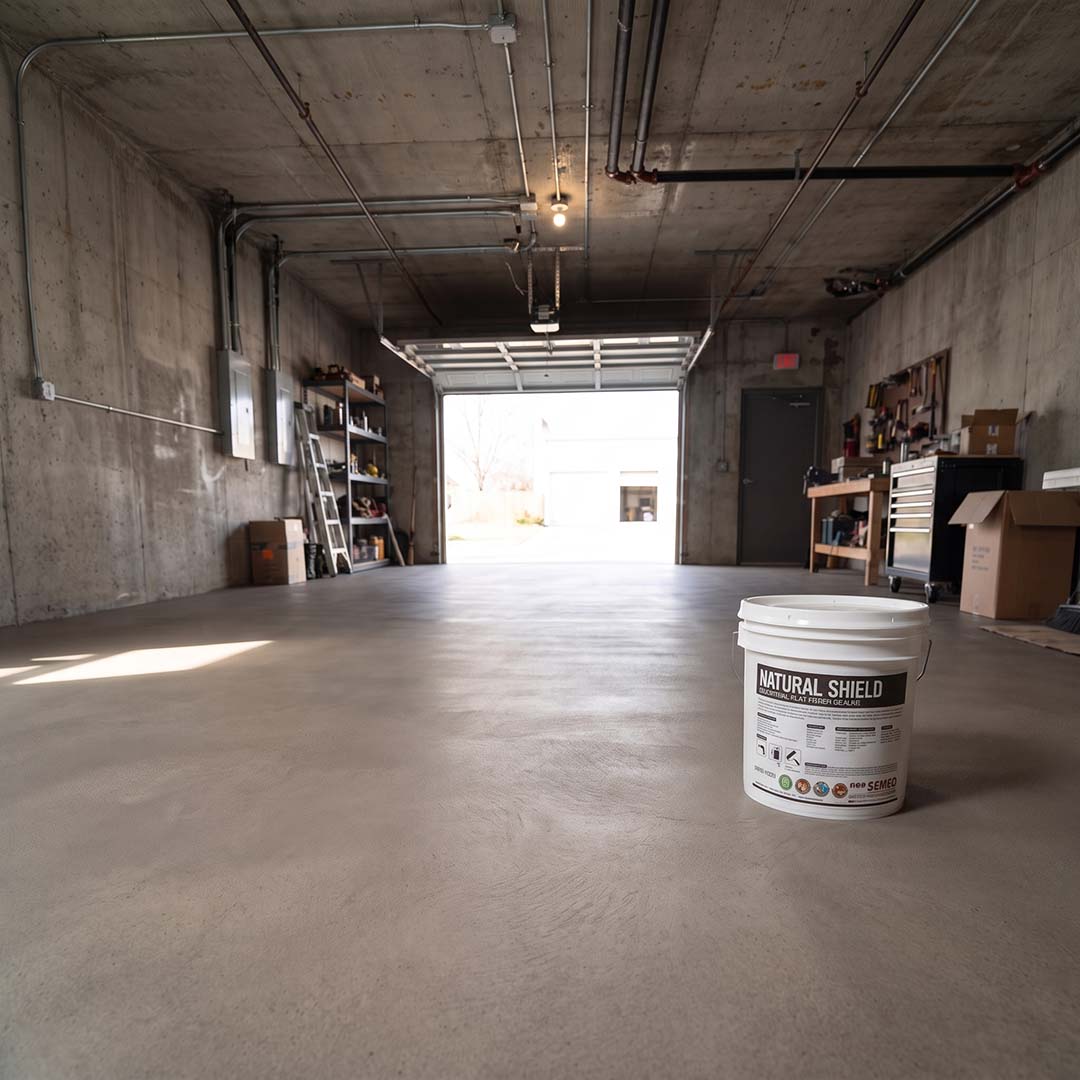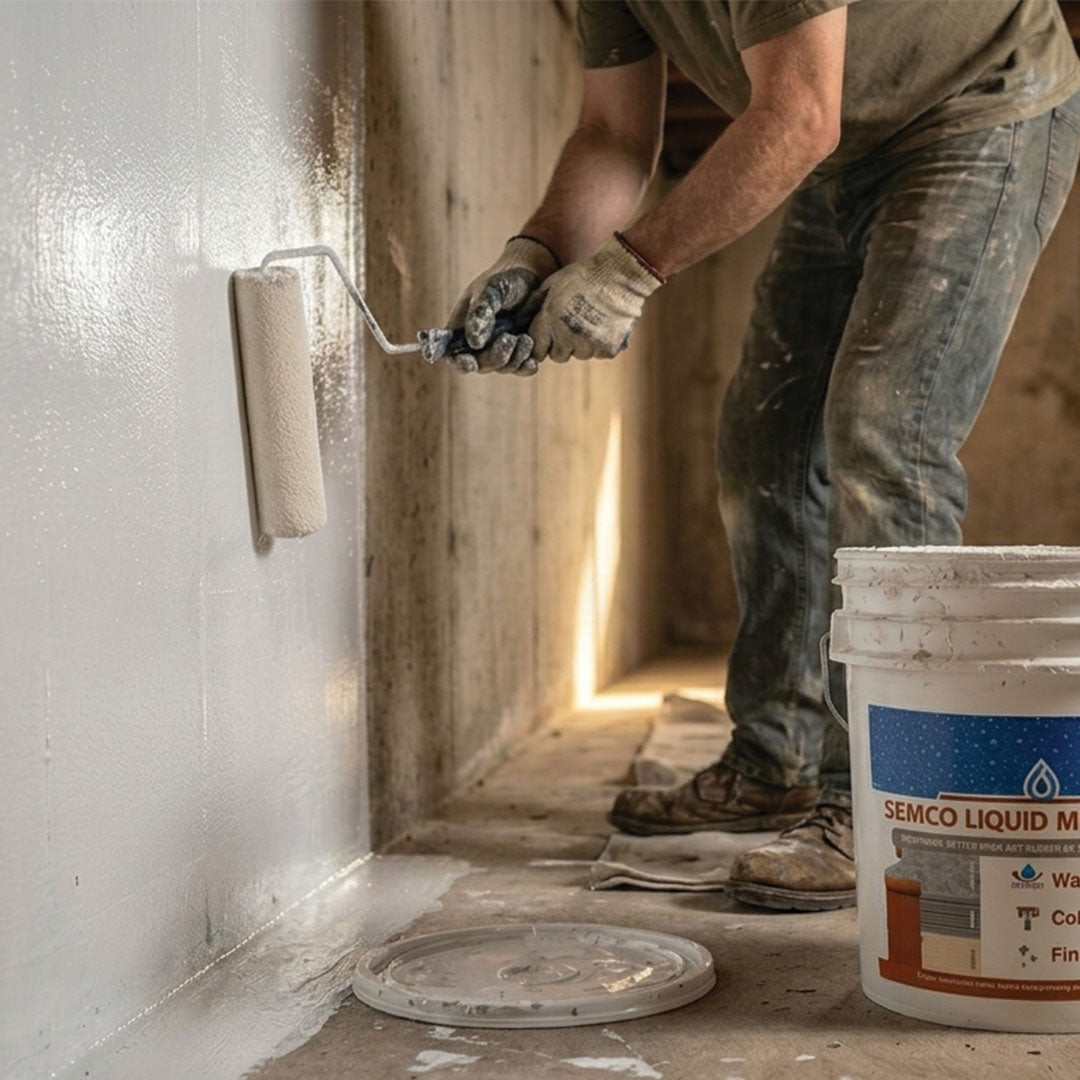

Most waterproofing failures aren't a product problem, they're a prep problem. A coating can only bond as well as the surface underneath it, and dirt, grease, wax, old sealer, or efflorescence sitting between the coating and the substrate is exactly why adhesion fails and a membrane peels or blisters months later. The fix is a two-step cleaning system matched to what you're actually covering: a mineral-deposit remover like Nu-Lift Cleaner for bare concrete and masonry, a degreaser like Power Cleaner for asphalt, rubber, and EPDM surfaces, and a rinse-free finishing wash like Stone Soap on both. Get this step right and everything you coat afterward, whether it's SEMCO Liquid Membrane or a sealer, has a real shot at lasting. Here's exactly how to do it.
In this article
- Why surface prep matters more than the product you choose
- What's actually sitting on your surface
- Choosing the right cleaner for your substrate
- Step-by-step: how to prep any surface before you waterproof
- Common prep mistakes that ruin a waterproofing job
- Frequently asked questions
Why Surface Prep Matters More Than the Product You Choose
Waterproofing coatings bond to a surface both mechanically and chemically. Contaminants sitting on that surface, even a thin film of dust or a haze of old wax, create a barrier between the coating and the substrate, so the coating ends up bonding to the contaminant instead of the surface itself. A product rated at 234 PSI adhesion is tested on a clean, prepared surface. On a real job site, most early coating failures trace back to what was left on the surface before application, not the formulation of the product used. That's why every SEMCO Liquid Membrane installation, including a full basement job like the one covered in our step-by-step guide to waterproofing a basement from the inside, starts with cleaning and drying the surface before any coat goes on.
What's Actually Sitting on Your Surface
Before you can pick the right cleaner, it helps to know what you're removing:
- Dirt and dust: the most obvious contaminant, and the easiest to underestimate. Even fine dust blocks direct contact between coating and surface.
- Oils and grease: common on garage floors, driveways, and anywhere near vehicles or machinery. These actively repel water-based coatings.
- Old wax or acrylic sealer: a previous coating creates a slick layer that a new membrane can't grip.
- Efflorescence and mineral deposits: the white, chalky residue that forms on concrete and masonry as water carries salts to the surface and evaporates. It's a classic basement and foundation problem.
- Rust: exposed metal fasteners or rebar need to be treated before coating, or rust will bleed through.
Choosing the Right Cleaner for Your Substrate
SEMCO's cleaner lineup is built around the two prep paths used ahead of Liquid Membrane, matched to the substrate you're working with.
| Substrate | Recommended cleaner | What it removes |
|---|---|---|
| Bare concrete, masonry, natural stone, grout | Nu-Lift Cleaner, finished with Stone Soap | Efflorescence, hard water deposits, magnesium, lime scale, soap scum |
| Asphalt, rubber, and EPDM roofing | Power Cleaner, finished with Stone Soap | Grease, oil, wax, tar, tire marks, old acrylic sealers |
| Finished surfaces before staining or sealing | Stone Soap alone | Light dirt, without harming the existing finish, no rinse required |
Both CMU block and tile substrates need this same cleaning logic before coating. See our ultimate guide to waterproofing CMU walls and shower waterproofing membrane guide for how it fits into those specific projects. If the surface you're prepping is a driveway specifically, our guide to sealing a concrete driveway before the first freeze walks through the same cleaning step ahead of a penetrating sealer instead of a membrane.

Environmentally-responsible mineral acid cleaner that lifts efflorescence, hard water deposits, and magnesium from concrete, masonry, and grout without discoloring.

Commercial-strength degreaser that dissolves oil, grease, wax, tar, and old acrylic sealers from concrete, asphalt, rubber, and EPDM surfaces.
Step-by-Step: How to Prep Any Surface Before You Waterproof
- Identify your substrate and pick the matching cleaner pairing from the table above.
- Apply the primary cleaner (Nu-Lift Cleaner or Power Cleaner) at the label's recommended dilution and let it dwell on the surface.
- Agitate heavier buildup like efflorescence or grease with a stiff brush.
- Rinse thoroughly with clean water, unless you're only using Stone Soap, which doesn't require rinsing.
- Finish with Stone Soap for a neutral-pH final clean, especially on finished surfaces headed under PreStain.
- Check for exposed rust and treat it with a water-based rust primer before coating.
- Let the surface dry completely. Confirm it's dry to the touch with no standing moisture.
- Apply your coating. Only move on to SEMCO Liquid Membrane or a sealer once the surface is clean and fully dry.
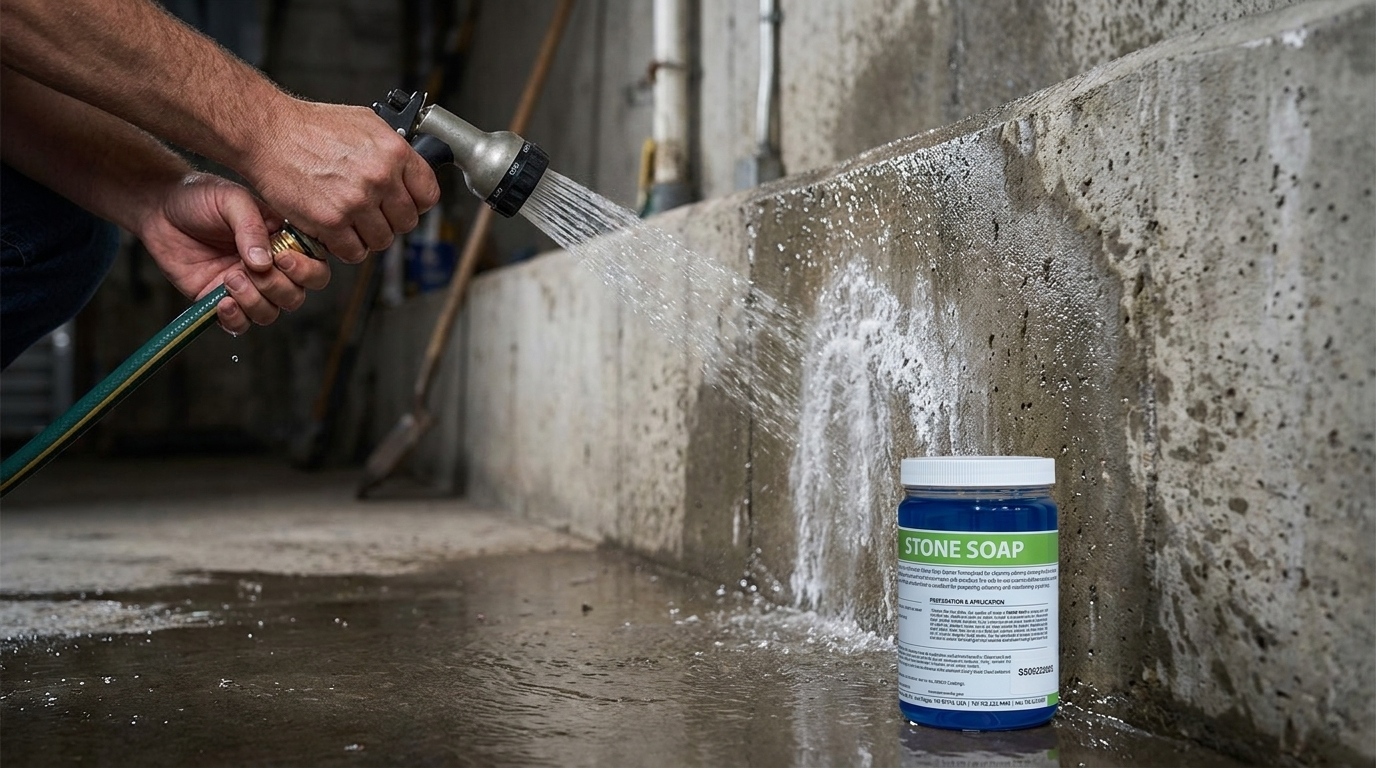

Neutral pH, rinse-free finishing cleaner that works in hard or soft water without harming the finished surface underneath.
Common Prep Mistakes That Ruin a Waterproofing Job
- Skipping the cleaner entirely and just sweeping or hosing the surface off.
- Using the wrong cleaner for the substrate, like a degreaser on bare concrete instead of a mineral deposit remover.
- Coating over visible efflorescence or rust instead of removing it first.
- Not letting the surface fully dry before applying the membrane.
- Assuming a rinse-free product means no scrubbing on heavy buildup. Stone Soap skips the rinse step, not the agitation.
Once your surface is clean and dry, the next decision is which coating to use. If you're weighing a water-based membrane against other options, see our silicone-based vs water-based waterproofing comparison for the full breakdown.
Frequently Asked Questions
Do I really need to clean before waterproofing, or can I just apply the coating?
Yes, cleaning is a required step, not an optional one. Coatings bond to whatever is on the surface, so dirt, grease, or old sealer left in place becomes the actual bonding layer instead of your substrate, and that's a common cause of early peeling or blistering.
Can I use a pressure washer instead of a dedicated cleaner?
A pressure washer can help rinse and remove loose debris, but it won't dissolve grease, efflorescence, or old sealer on its own. Use the appropriate cleaner first, then rinse, with or without a pressure washer.
How long should a surface dry before I apply SEMCO Liquid Membrane?
The surface needs to be dry to the touch with no standing moisture before coating. Drying time varies with temperature, humidity, and surface porosity, so check the surface directly rather than going by a fixed clock time.
What is efflorescence and why does it matter for waterproofing?
Efflorescence is the white, chalky residue that forms when water carries mineral salts to the surface of concrete or masonry and evaporates. It sits between the substrate and any coating you apply, blocking adhesion, so it needs to be removed with a cleaner like Nu-Lift Cleaner before you coat.
Does Stone Soap need to be rinsed off?
No. Stone Soap is formulated to be rinse-free and won't harm the finished surface underneath, which makes it a good finishing step after Nu-Lift Cleaner or Power Cleaner, or as a standalone light clean before staining.
Start Your Prep the Right Way
Nu-Lift Cleaner, Power Cleaner, and Stone Soap are the same cleaning system used ahead of every SEMCO Liquid Membrane install, formulated to give your coating the clean, dry surface it needs to last.
Shop SEMCO Cleaners →Free shipping on orders over $99 to the contiguous US.
Related reading:
- Liquid Rubber Alternatives: A Longer-Lasting Way to Waterproof
- SEMCO LIQUID MEMBRANE - The Ultimate Guide and Solution to your Waterproofing Needs
- Ultimate Guide to Waterproofing CMU Walls with SEMCO Liquid Membrane
- What Is a Liquid Waterproofing Membrane? The Complete Guide
- Seal Your Concrete Driveway Before the First Freeze: A 2026 DIY Guide