



★★★★★ 160 roof reviews · 4.9 average
You don't need to find the leak. You need to stop looking for it.
A roof leak almost never shows up where it gets in. Water enters at one point, runs along the deck, and drips through your ceiling somewhere else entirely. Coat the whole surface and the search stops mattering.
No helper on a ladder. No hose test. No holes cut in your ceiling.


Seamless coat across the full surface — no seams left to find
Sound familiar?
You've been up there three times already.
The frustrating part of a roof leak isn't the water. It's that you can't find where it's coming from.
- A ceiling stain that keeps growing — but nothing looks wrong on the roof directly above it
- It only leaks in certain rain — heavy, or wind-driven from one direction
- You've patched it two or three times and it came back somewhere nearby
- Damp insulation or a musty smell in the attic or roof space
- You've been told to hose-test it — one person on the roof, one in the attic, working section by section for several minutes eachThe standard advice. Two people, hours of it, and the last resort is cutting holes in your ceiling until you find the entry point.
- Someone quoted you for a full replacement and you're not ready for that number
Water doesn't drip straight down. It enters at a nail hole or a seam, travels along the deck or a rafter, and appears meters away. That's why the search so often fails.
And a visible stain is not an early warning. By the time it shows on your ceiling, water has been moving through the structure for a while — which is the argument for dealing with it this weekend rather than at replacement time.
The root cause
The stain is never above the hole.
Roofs don't fail in the middle of a panel. They fail at the joints — seams, laps, fasteners, flashing, penetrations around vents and HVAC units, and the edges where two materials meet.
Once water gets past one of those, it doesn't fall straight through. It runs along the underside of the deck, follows a rafter, soaks into insulation, and finally drips through the ceiling at whatever the lowest point happens to be. By the time you see it inside, the entry point can be several meters away and in a completely different direction.
You're not looking for a hole. You're looking for the one joint out of hundreds that let go.
Then thermal movement makes it worse. A roof can swing 60°C between a winter night and a summer afternoon, expanding and contracting every single day. Rigid patches and tapes are fixed to a surface that never stops moving, so they crack, lift at the edges, and let water back in — usually somewhere adjacent to the last repair.
The way out isn't a better patch. It's to stop treating the roof as a set of separate points and seal the whole field at once — with something flexible enough to keep moving with it.
The honest part
Why patching keeps not working.
Every one of these fixes a point. Your roof has hundreds of them.
Spray-can sealants
Sold on a demo, not a roof
A can covers a fraction of a real roof, and it only goes where you already believe the leak is. One customer here tried a spray sealant and a rust-preventive coating on a leaking pond before switching — both failed within about a week.
Roof tar & patch cement
Goes brittle, then cracks
It seals the spot you found. But the roof keeps expanding and contracting daily, and tar has almost no give — so it hardens, cracks, and the water finds its way around the patch.
Flashing & seam tape
One seam out of many
A strip over one join. The next joint along is untouched, and UV eventually gets under the edge of the tape and lifts it. You end up re-taping every season.
A full replacement quote
Right fix, wrong year
Sometimes a roof genuinely needs replacing. Often it needs to stop leaking now, and be replaced on your schedule rather than the weather's — for a fraction of the cost.
All four treat a roof as a set of separate points. Coat the whole field and the point stops mattering.
Will it stick to mine?
Seven surfaces. The prep is the condition.
It bonds to all of these — provided the surface is properly cleaned first. Prep isn't a formality here; it's the whole difference between a coat that lasts and one that lifts.
Flat and low-slope rubber roofs, including old ones that have gone chalky. Bonds across the field and over existing seams.
Prep B: Power Cleaner + Stone SoapIncluding shallow-pitched shingle roofs where water gets under the tabs and through the nail holes.
Prep B: Power Cleaner + Stone SoapAged modified-bitumen and rolled roofing, once loose granules and moss are removed.
Prep B: Power Cleaner + Stone SoapStanding seam, panel and corrugated. Seals fastener penetrations and lap joints — the two places metal roofs almost always let go.
Prep D: Nu-Lift + Stone SoapBare or repaired decking, including replaced sections. One customer coated a re-decked garage roof straight over the new plywood.
Prep E: sand with 60-grit — no cleanerFlat concrete decks over living space, including previously sealed surfaces once the old coating is sound and clean.
Prep D: Nu-Lift + Stone SoapPinholes, rust perforations and seam splits. Use fabric reinforcement under the coating for anything more than a pinhole.
Prep D: Nu-Lift + Stone SoapA structurally failed roof, rotted decking, or an active flowing leak during rain. Repair the structure first — a coating seals surfaces, it doesn't rebuild them.
The one exception: siliconeAdhesion can be unreliable over silicone coatings, or over silicone itself. If your roof has been coated with a silicone product — or you don't know what's on it — test a small area first and let it cure before committing to the whole roof. If it doesn't bond, you have two reliable routes: remove the old silicone, or bridge it by embedding Fabric Reinforcement in the membrane over the top.
Most coatings are built for one surface. This is the same product on the roof, the flashing and the gutter it drains into.
What it actually does
One seamless coat over the whole roof.
SEMCO Liquid Membrane rolls on like paint and cures into a single continuous rubber sheet bonded to your roof — no seams, no laps, no joints left to fail.
No leak-hunting required
Because it covers the entire surface rather than a suspected spot, you don't need to identify the entry point. Customers here have used it exactly this way around HVAC units and across whole shingle fields when the source couldn't be located.
Moves with the roof
Up to 1,300% elongation (ASTM D412). Your roof expands and contracts every day of the year — a coating with that much give keeps its seal instead of cracking like tar or lifting like tape.
Reflects heat in white
Independently tested at SRI 64 in White (ASTM E1980) — roughly triple the solar reflectance index of a typical black asphalt roof. A cooler roof surface means less heat driven into the space below.
Bonds to seven surfaces
EPDM and rubber, metal, asphalt shingle, torch-down and bitumen, plywood, concrete and gutters — each with the correct prep. One product for the roof, the flashing and the gutter it drains into.

The numbers
Tested figures, not adjectives.
Every number here comes from a published test method. Where we don't have data, we say so.
Stretches thirteen times its length before failing — which is what lets it survive a roof that expands and contracts every day of the year.
Solar Reflectance Index, independently tested. A typical black asphalt roof sits around 20. Darker colors score lower — every value is shown at color selection.
173 PSI at 7 days, building to 234 PSI at four weeks (ANSI 118.10), on a properly prepared surface.
Water vapor permeability. Blocks liquid water while still passing vapor, so a damp deck isn't sealed in.
Certified as a primary waterproofing layer under the German and EU standard for liquid-applied water-impermeable products.
Water-based and low odour. Clean-up is warm water, which matters when you're working at height with limited kit.
A weekend, not a re-roof
Four steps. A roller and a dry forecast.
Roll it like paint. The two things that decide whether it works are the prep and the seams.
Clean it properly
Remove debris, moss and loose granules, then use the cleaner pair matched to your surface — the buy box below selects it for you. Let it dry fully. If the roof has any silicone on it, test a small patch before doing the whole thing.
Reinforce every seam
Coat the seam, lay Fabric Reinforcement into the wet coating, then coat over it. Do this at every seam, lap, edge, fastener line and penetration. This is where roofs leak, and it is not an optional step.
Roll two coats over everything
Half-inch nap roller on an extension pole. Thin and even, second coat perpendicular to the first. Coat the entire surface, not just the area you suspect — that's the whole point.
Give it a dry window
Dry to touch in about an hour; initial cure 6–7 days. Apply between 50–90°F and check the forecast before you start — rain on an uncured coat means doing it again.
Don't skip the fabric on seamsOne customer coated a re-decked garage roof without it and had three small leaks; a further coat with reinforcement stopped them completely. The membrane is strong across a flat field — it needs fabric where two things meet or where something penetrates the surface.
Real roofs
People who stopped looking for it.
Selected from 160 roof reviews. Unedited except for length.
"I went inside and closed the door… it was pitch black."
"I used this product to cover every single screw head on the tin roofs of a storage facility. Every. Single. One. Bought two 5 gallon tubs to cover both buildings (approximately 265ft long by 35 wide) and had half a tub leftover. Afterward I went inside one of the storage units and closed the door to see if I could still see spots of sunlight peeking through the holes… and it was pitch black! Winter has since hit and there have been no leaks. I'm happy I didn't have to spend the estimated $50k to replace the roof!"
"It worked really well to keep the roof from leaking."
"We used this product on the roof of one of our office buildings in Nevada. It worked really well to keep the roof from leaking."
"The difference was immediately noticeable."
"Flat concrete roof deck above living spaces below. Absolutely love the liquid membrane. Application was easy for me the homeowner and we've had a couple wet days since installing the SEMCO and it is perfect. It also looks great. It had been previously sealed and the difference between the old sealer and the SEMCO was immediately noticeable."
"It didn't take any extra handyman skills."
"We have a little concrete roof above our main entrance that has been leaking. So my husband bought this few months back and waterproofed it. It didn't take any extra handy man skills to apply it and it's been holding up really well."
"A leak that was impossible to locate."
"I had a leak in my roof that was impossible to locate. We rolled out three layers of Liquid Membrane all around the HVAC unit and all the comp. shingles from the unit down to the roof edge. First big rain and no leaks. This stuff is very easy to use and very effective!"
"They leak in weird spots."
"I've used this product three different times. Rubber roofs on a couple of buildings, they leak in weird spots. One time we even found a bullet that had penetrated the roof and caused a leak. I slap this crap on there and it never leaks again. I will be a buyer forever."
"Will buy me time to get the roof overlaid later."
"I had a leak in my roof that was impossible to locate. We rolled out three layers all around the HVAC unit and all the comp. shingles from the unit down to the roof edge. First big rain, no leaks, and I still have more just in case. This is not a permanent repair but will buy me time to get the roof overlaid later. Very easy to use and very effective!"
"The other product had peeling issues after a year."
"I was looking for a waterproofing membrane that can withstand direct sunlight. I live in Florida. I wanted a product for my roof. I tried using the other product, but it had some peeling issues after a year. I didn't want to waste money again on a product that doesn't offer any warranties. After doing some research, I purchased 5 gals and applied it using a nap roller."
"Three years since the last application."
"I applied the Liquid Membrane on my metal roof, as per advice by my contractor. It's been 3 years since the last application and still working very good. Awesome product and great customer service too!"
"Really good, since I forgot the reinforcement fabric."
"I had a rotten plywood roof on my garage. I replaced the plywood and put on a 5 gallon bucket of liquid membrane. Only three small leaks — really good, since I forgot to use the reinforcement fabric. Put on another coat and not a drop."
"Peace of mind that my roof will not leak."
"Semco membrane gives me the peace of mind that my roof will not leak. I cannot recommend this product enough!"
"Water went underneath and came through the nails."
"I used the product to cover asphalt shingles on a deck roof that was pitched too flat and the water went underneath and came through the nails. This product adheres and sealed — no more water. This was the best solution to a major problem. Cost effective too! Easy clean up and easy application. I suggest using a roller with an extension handle for easy and more even coverage."
"After some heavy rain, still no leaks."
"After some heavy rain, still no leaks. Used the fabric reinforcement and the liquid membrane to fix a leaking gutter, used this on a flat roof to seal edges and seams, also used it on asphalt shingle roof to patch some deteriorated shingles. So far so good, no leaks. It's easy to apply with a 1/2\" nap roller."
"Nothing sold at big box stores worked for me."
"Just what is needed to patch leaky holes in gutters. Nothing sold at big box stores worked for me. Using a mesh under 2 to 3 coats of this Liquid Membrane really seals gutter holes. Just apply at least one full day ahead of any rainfall."
"We only needed 2 layers instead of 3 or 4."
"We used the product for a flat rubber roof that was very old and started to leak. We miscalculated on how many layers we had to spread on the roof and how much we would need. Your product was so great that we only needed to put down 2 layers instead of 3 or 4, thus we ordered too much."
"Rolled it out as if I was applying paint to a wall."
"After a little DIY research, I ordered the liquid membrane and a couple of paint roller covers and my problem was solved. The product requires no mixing, and the application couldn't be easier. I poured some into an old paint can so I wouldn't have to lug a 5 gallon bucket onto the roof, poured some onto the area I wanted to patch, and rolled it out as if I was applying paint to a wall. Easy peasy."


SEMCO Liquid Membrane™
Waterproofing, color and UV protection in one rolled-on coat.
Choosing your surface sets the right prep cleaner below — using the wrong one is the most common reason a coating lifts.
Coverage at two coats. Rough or weathered surfaces absorb more than smooth ones — if you're between sizes, size up.
Selected: White
The number on each swatch is its Solar Reflectance Index (ASTM E1980). Higher reflects more solar heat. A typical black asphalt roof is around 20. Three colors haven't been tested and show a dash.
Applied
Roofs that stopped leaking.
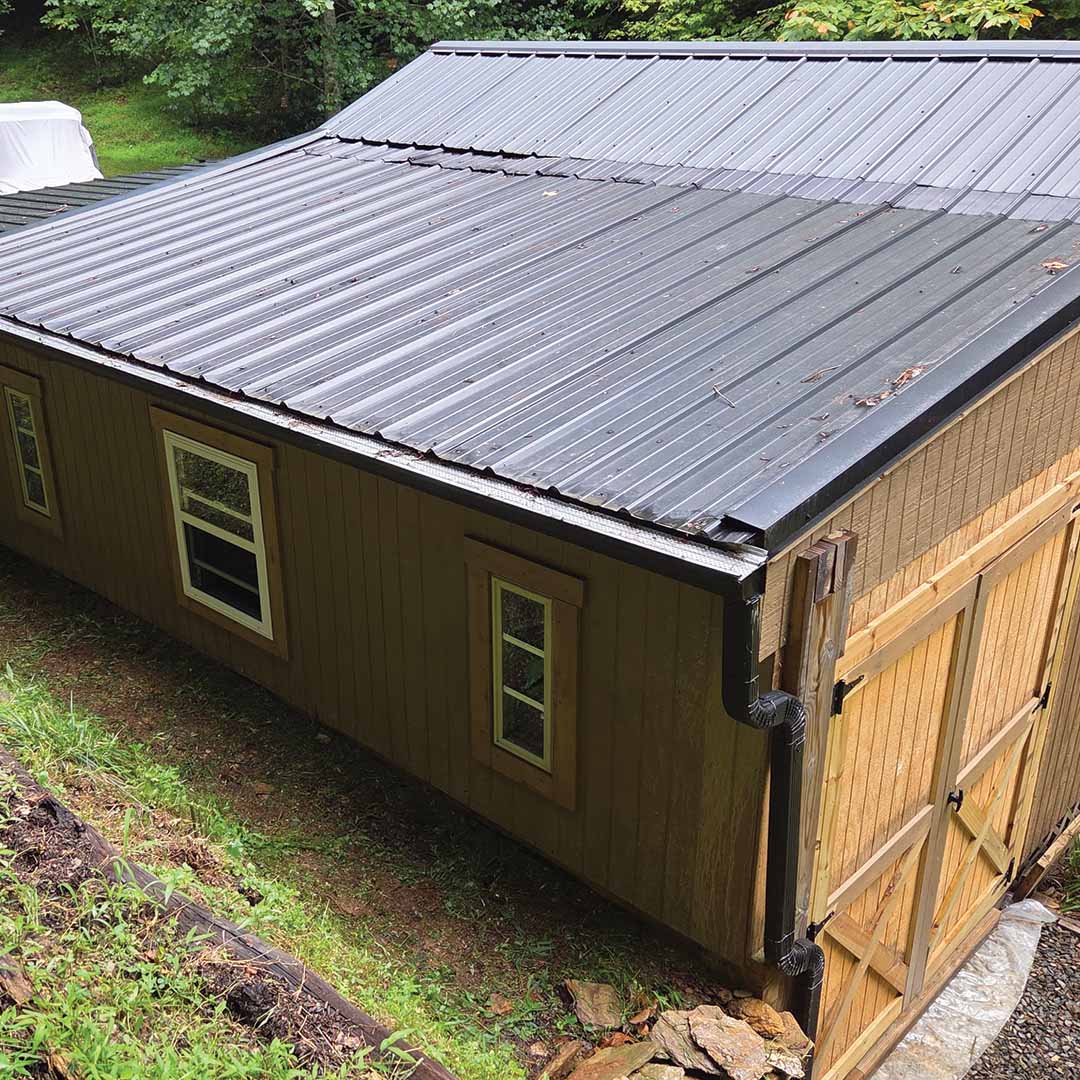
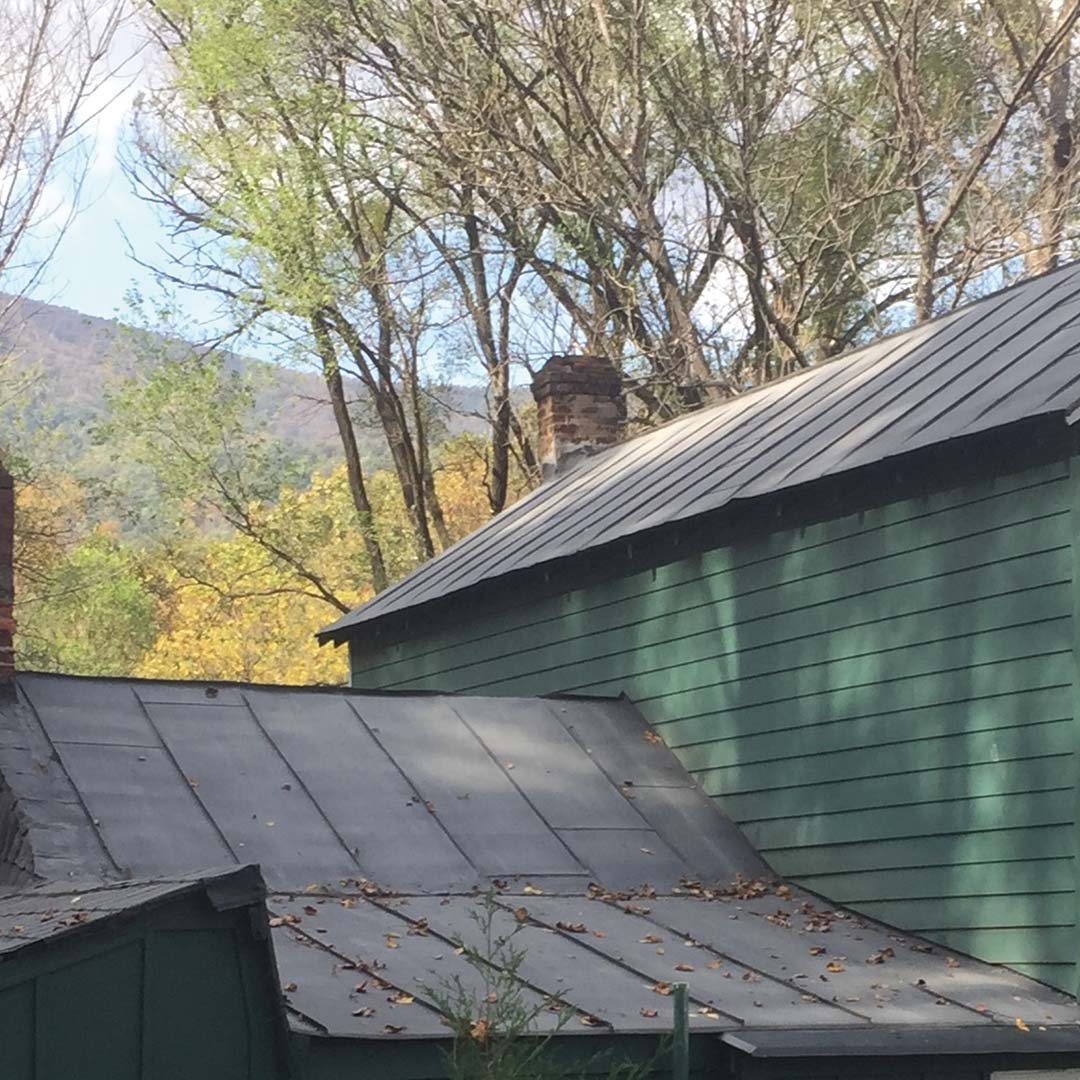
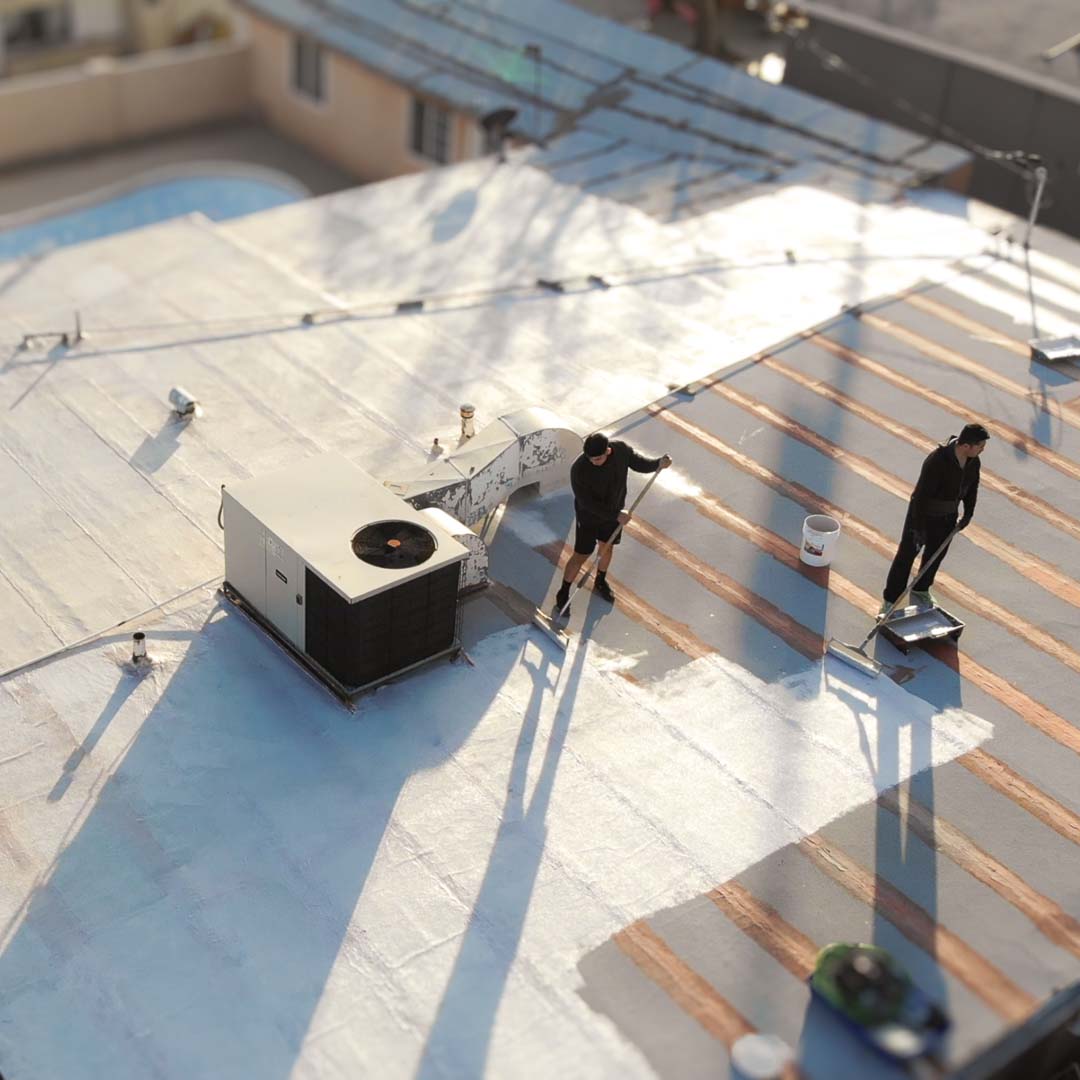
Replace with roof-specific photography before launch — these are placeholders from the wall library.
Being straight with you
This isn't a new roof. It's the years before you need one.
A replacement runs into five figures and arrives whenever the roof decides. A five-gallon pail is $434.60. If that stops the leak now and buys you several more seasons before you replace on your own schedule, that's the job it's for.
"This is not a permanent repair but will buy me time to get the roof overlaid later." — Louis V. We'd rather quote that than pretend otherwise. If your decking is rotten or the structure has failed, you need a roofer, not a coating.
Before you buy
The questions worth asking.
I can't find the leak. Will this still work?
That's the main reason people use it. Because you coat the whole surface rather than a suspected spot, you don't need to locate the entry point. Several customers here did exactly that after failing to find a leak by hose-testing.
I was told to hose-test it with a helper. Do I still need to?
Not if you're coating the whole surface. The hose test exists to locate a single entry point so you can patch it — two people, one on the roof and one in the attic, working section by section. If you're sealing the entire field, there's nothing to locate. Skip it.
Can I apply it over my existing roof?
Yes, on any of the seven surfaces listed above, provided it's cleaned with the right cleaner first and the existing surface is sound. What it can't do is fix rotted decking or structural failure — repair that first.
Will it stop water that's already coming in?
It has to be applied to a dry surface, so you can't coat during active leaking. Wait for a dry spell, clean, coat, and give it the cure window.
How much do I need?
Use the calculator above. Coverage depends heavily on how rough and weathered your surface is — a smooth rubber roof goes much further than aged, granular torch-down. If you're between sizes, size up: a full second coat is what makes the membrane work.
My metal roof is corrugated. Does that change anything?
Yes. Corrugated profile has meaningfully more actual surface area than its flat footprint, so plan on roughly 25% more material. Tick the corrugated box in the buy box and the calculator adjusts for you.
My roof already has a silicone coating on it. Will this stick?
Possibly not — silicone is the one surface where adhesion can be unreliable, whether that's a silicone coating or silicone itself. Test a small area and let it cure before doing the whole roof. If it doesn't bond, remove the old silicone, or bridge over it by embedding Fabric Reinforcement in the membrane. Not sure what's on your roof? Treat it as unknown and test.
Do I really need the fabric?
On seams, laps, edges, fasteners and penetrations, yes. That's where roofs leak. One customer coated a re-decked garage roof without it, had three small leaks, and stopped them with a further coat using reinforcement.
Does the color matter?
For heat, yes. White tests at SRI 64 under ASTM E1980, against roughly 20 for a typical black asphalt roof — so a white roof reflects considerably more solar heat. Every color's tested value is shown on its swatch. Three colors haven't been tested and are marked with a dash.
How long does it need before rain?
Dry to touch in about an hour, initial cure 6–7 days. Apply between 50–90°F. Check the forecast before you start — one customer's advice was to apply at least a full day ahead of any rainfall.
Can I walk on it?
Once fully cured, yes, for maintenance access. It isn't intended as a trafficked deck surface — the 10-year warranty extension applies to non-traffic surfaces.
Not sure it's right for your roof? Call 1-833-211-2297 — the team will tell you honestly if you need a roofer instead.
Before you commit
Worth reading first.
If you'd rather understand the problem before buying anything, start here. These go deeper than a product page should.

How to find & fix a leak in a metal roof
The conventional method, step by step — and why fastener penetrations and lap joints are almost always the answer.
Read it →
Metal roof leaking? The real reasons coatings fail
Most coating failures trace back to prep or the wrong chemistry, not the roof. What to check before you buy anything.
Read it →
Water-based membrane or silicone coating?
The two main options for a metal roof, compared on adhesion, recoatability, dirt pickup and application.
Read it →
Coating over old bitumen without a tear-off
Aged torch-down and rolled roofing can usually be encapsulated rather than stripped. How to prep and detail it.
Read it →No hose testNo leak-huntingSeven surfacesA dry ceiling
Stop searching for it. Seal the whole roof.
If you've patched it more than once and it keeps coming back somewhere new, the problem isn't your patching. It's that you're still looking for a single hole.
