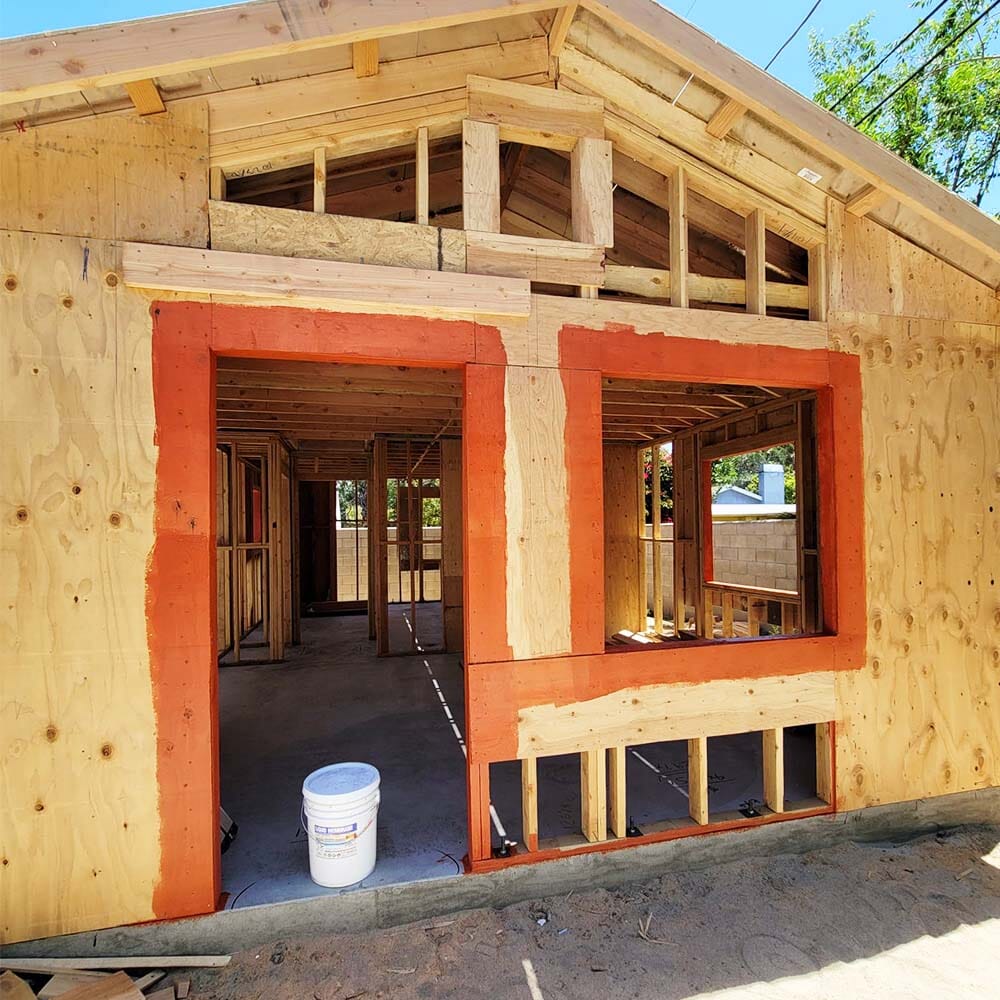

When choosing a waterproofing solution, one of the most common questions asked by installers, builders, and DIY renovators is:
“Which substrates can a liquid waterproofing membrane be applied to?”
The good news is that modern liquid waterproofing systems — such as SEMCO Liquid Membrane™ — are engineered to bond to and perform over a wide variety of substrates when correctly prepared. From concrete and tiles to wood, metal, and masonry, liquid membranes offer unmatched versatility for both residential and commercial waterproofing projects.
In this guide, we’ll cover:
- What makes a substrate suitable for liquid membrane waterproofing
- Which substrates SEMCO Liquid Membrane™ is compatible with
- Best-practice surface preparation for long-term performance
- Common application mistakes and how to avoid them
Why Substrate Compatibility Is Critical for Waterproofing
Liquid waterproofing membranes are designed to form a seamless, elastomeric barrier that adheres tightly to the substrate. Once cured, the membrane resists water penetration while remaining flexible enough to:
- Bridge hairline cracks
- Handle thermal expansion and contraction
- Accommodate minor substrate movement
SEMCO Liquid Membrane™ is specifically formulated to adhere to 15+ substrate types, making it suitable for bathrooms, balconies, roofs, planter boxes, wet areas, and more.
However, successful waterproofing depends on three critical factors:
- Cleanliness – The surface must be free of dust, oils, waxes, sealers, and contaminants
- Stability – The substrate must be sound, solid, and properly repaired
- Moisture Control – Excess moisture can prevent proper curing and adhesion
Failure to meet these conditions can result in peeling, blistering, or waterproofing failure.
Compatible Substrates for SEMCO Liquid Membrane™
SEMCO Liquid Membrane™ can be applied to a wide range of substrates in both interior and exterior applications, including:
✔ Concrete & Cementitious Surfaces
- New or existing concrete
- Cement sheeting
- Fibre cement board
✔ Tiled Surfaces
- Ceramic tiles
- Porcelain tiles
- Mosaic tiles
Ideal for waterproofing over existing tiles or under new tile installations
✔ Wood & Timber Substrates
- Plywood
- Timber decking
- Framing surfaces
(Must be structurally sound and properly prepared)
✔ Masonry & Brickwork
- Brick
- Blockwork
- Masonry walls
✔ Metal Surfaces
- Aluminium
- Roofing metal
- Flashings
✔ Specialty Substrates
- Asphalt / bituminous surfaces
- WR Board (water-resistant sheeting)
Tip: For uncommon or previously coated surfaces (epoxy, fiberglass, plastics, existing membranes), we strongly recommend performing a small test patch to confirm adhesion compatibility.
Proper Substrate Preparation: Best Practices
Correct surface preparation is the most important step in achieving durable waterproofing.
1. Clean Thoroughly
Use appropriate cleaning products such as SEMCO Power Cleaner, Stone Soap, or Nu-Lift, following the recommended Prep A, B, C, or D guidelines specific to each substrate.
2. Remove All Contaminants
Eliminate:
- Oils and grease
- Dust and debris
- Old coatings, waxes, or curing compounds
The goal is a clean, stable bonding surface.
3. Repair & Reinforce
- Cracks wider than ~6 mm should be reinforced with fabric
- Smaller cracks are typically bridged by the elastomeric membrane
4. Control Moisture
- Substrates must be dry and not water-saturated
- Residual moisture should generally be ≤ 3% for non-submerged applications
5. Mask & Protect
Protect adjacent surfaces and remove masking before full cure.
6. Apply Thin, Even Coats
- Apply multiple thin coats rather than one thick layer
- Typical application: 15 - 20mils × 2 coats
- Allow sufficient drying time between coats
7. Allow Proper Curing
- Full cure typically occurs within 6–7 days, depending on temperature and humidity
- Avoid water exposure during curing
For trafficable areas, the membrane must be protected with a compatible sealer such as SEMCO Titan Shield Gloss or SEMCO Sealer Matte
Common Waterproofing Mistakes (and How to Avoid Them)
❌ Applying membrane over damp substrates
✔ Always verify moisture levels before application
❌ Skipping surface preparation
✔ Proper cleaning dramatically improves adhesion
❌ Applying overly thick coats
✔ Thick layers trap moisture and slow curing
❌ Ignoring wide cracks or joints
✔ Reinforce stress points with fabric
❌ Leaving trafficable membranes unsealed
✔ Always apply a protective topcoat
❌ Not testing unfamiliar substrates
✔ Perform adhesion testing before full application
Final Thoughts: Choosing the Right Substrate for Liquid Waterproofing
Liquid waterproofing membranes offer seamless coverage, flexibility, crack-bridging ability, and long-term durability. When installed correctly, SEMCO Liquid Membrane™ allows you to waterproof an impressive range of substrates — including concrete, tiles, wood, brick, metal, asphalt, and more.
The key to success lies in proper preparation, correct application thickness, and adequate curing time.
If you’re planning a specific project — such as a balcony, bathroom, roof, planter box, pond, or wet area — and need substrate-specific guidance, our technical team is always happy to help you achieve the best possible waterproofing result.
Related reading: