
Work out what you need
How much will your project take?
Tell us the project and the area. We'll size the membrane and add the right prep cleaners for your surface — no guessing which ones you need.
Not sure? Length × width for a floor. For walls, add each wall's length × height.
Pick your project and enter the area — we'll work out exactly what you need.
Cleaners are only needed if the surface has contaminants — untick anything you already have.
Water-based waterproofing membrane
SEMCO Liquid Membrane™ Waterproofing
4.8 · 1111 reviewsMade in USASeal out water on almost any surface. No primer, done in a weekend.
- No primer on concrete, wood, metal, EPDM, TPO
- Stretches 1,300% to bridge hairline cracks
- 75% cure in 24 hours
- Low VOC (14 g/L), water cleanup
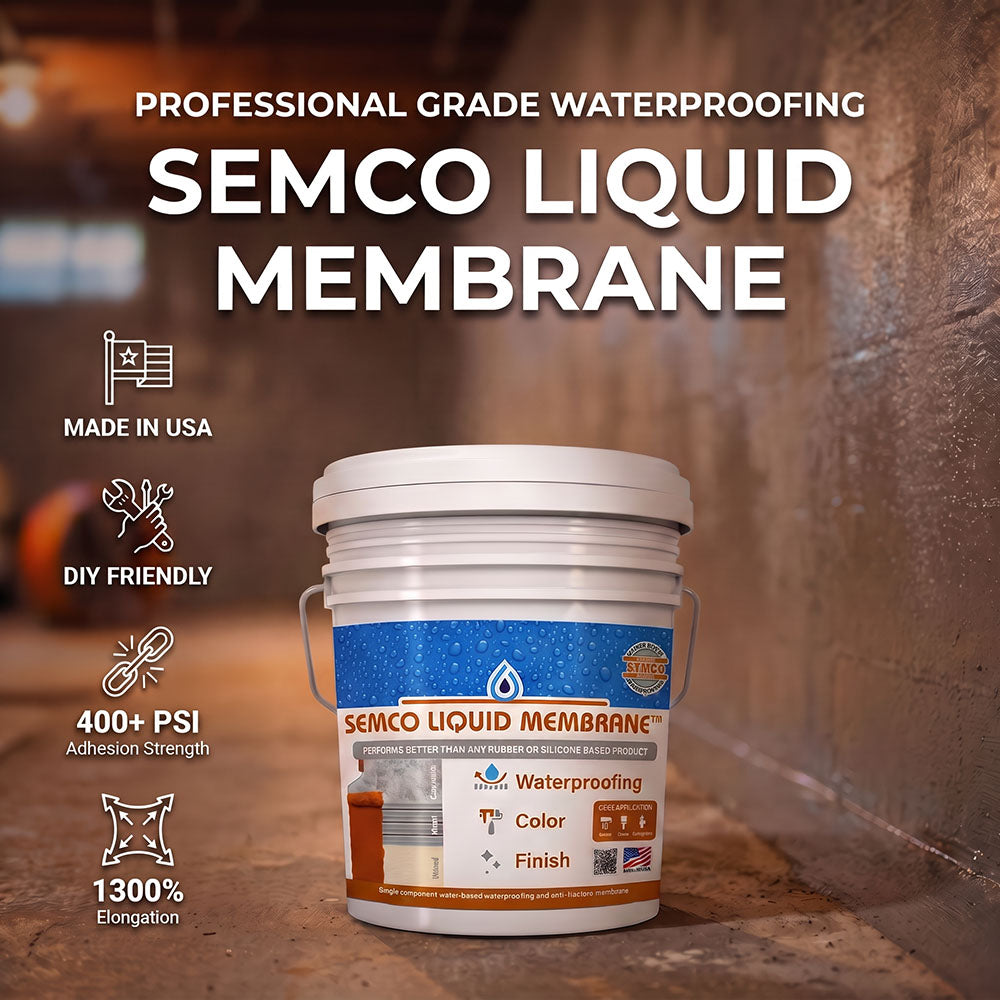
What it is
SEMCO Liquid Membrane is a water-based liquid rubber that rolls on like paint and cures into one flexible, seamless waterproof membrane. It's for homeowners and contractors sealing basements, roofs, RVs, decks, showers and pools, and it replaces rigid masonry paint, peel-and-stick sheet membrane and yearly lap sealant. No primer: just the right SEMCO cleaner for your surface.
- ~200sq ft per gallon, 2 coats
- 1,300%stretch, bridges cracks
- 75%cure in 24 hours
- 5 / 10 yrlimited warranty
How much do I need?
Sized for 2 coats at ~200 sq ft per gallon. Bare wood and anything under water take 3 coats, about 100 sq ft per gallon.
- In stock · ships from Las Vegas, NV
- Free shipping over $99 · delivery time for your address shown at checkout
- 30-day returns · 5-year limited warranty, 10 on non-traffic surfaces
What it is
SEMCO Liquid Membrane is a water-based liquid rubber that rolls on like paint and cures into one flexible, seamless waterproof membrane. It's for homeowners and contractors sealing basements, roofs, RVs, decks, showers and pools, and it replaces rigid masonry paint, peel-and-stick sheet membrane and yearly lap sealant. No primer: just the right SEMCO cleaner for your surface.
Contractor or bulk order? Ask for trade pricing · 1-833-211-2297
01 / Where it works
Seals almost any surface.
Concrete, block, brick, wood, metal, EPDM, TPO and fiberglass, with no primer. Just the right SEMCO cleaner for the surface.
- Basements & foundationsInside walls and floors, or outside faces before backfill. Fabric Reinforcement at the floor-to-wall joint.
- RoofsEPDM, TPO, metal, shingle, torch-down and concrete decks. No primer.
- RV roofsEPDM, TPO and fiberglass, in place of yearly lap sealant.
- ShowersCement board and concrete, with Fabric Reinforcement in the corners.
- Pools, ponds & fountainsThree coats, with a Color Activator in every container.
- Wood decks & balconiesThree coats on bare wood, then a SEMCO sealer where it takes traffic.
02 / Which prep
Where it fits in the prep.
Liquid Membrane needs no primer, only a clean surface dried to 3% moisture or less. Pick the prep for your surface. Over an existing or unknown coating, use Prep C and do a test patch. Adhesion over silicone is unreliable: remove it or test first.
| Prep | Use it for | Products, in order | Mix |
|---|---|---|---|
| Prep ABefore Liquid Membrane | New concrete, fully cured (about a month) · dirt and grime | Stone Soap | 1:4 |
| Prep BBefore Liquid Membrane | Grease, oil, weathering · EPDM, rubber and shingle roofs | Power Cleaner, then Stone Soap | Each 1:4 |
| Prep CBefore Liquid Membrane | Unknown or non-water-based coatings | Power Cleaner, then Nu-Lift, then Power Cleaner | 1:4 · 1:1 · 1:9 |
| Prep DBefore Liquid Membrane | Efflorescence, mineral deposits, weathered concrete · basements, metal | Nu-Lift, then Stone Soap | Nu-Lift undiluted · Stone Soap 1:4 |
| Prep EBefore Liquid Membrane | Bare wood and landscape timbers | Sand with 60-grit, no cleaner |
03 / Specs
The numbers.
A water-based liquid rubber that cures into one flexible, seamless waterproof membrane. Figures from the technical data sheet.
Download the data sheet- Coverage
- ~200 sq ft/gal at 2 coats · ~100 at 3 coats
- Coats
- 2 standard · 3 on bare wood and submerged
- Application temperature
- 50–90°F, out of direct sun
- Recoat
- 25–45 min at 72°F, when it takes no fingerprint
- Dry to touch
- 1–2 hours at ~70°F
- Cure
- 75% in 24 hours · full cure 7 days minimum
- Max substrate moisture
- 3%
- VOC
- 14 g/L, water-based
- Elongation (ASTM D412)
- 1,300%
- Tensile strength (ISO 37 / ASTM D412)
- 390 PSI
- Adhesion (ANSI A118.10)
- 173 PSI 7 days · 234 PSI 4 weeks
- Adhesion after 7-day immersion
- 132 PSI
04 / Step by step
Done in a weekend.
Prep, two thin coats, cure. The full install for your project is in the guide below.
-
Prep
- Clean with the SEMCO cleaner for your surface
- Let it dry to 3% moisture or less
- Press Fabric Reinforcement into joints and cracks wider than 1/4"
-
Coat
- Two thin, even coats by roller, brush or sprayer
- Apply between 50°F and 90°F, out of direct sun
- Recoat when it takes no fingerprint
- Bare wood and submerged work take three
-
Cure
- 75% cure in 24 hours
- Full cure at least 7 days before water, traffic or a topcoat
- Seal it about 2 days after the last coat if the surface takes traffic
Two thin coats, not one thick one: each 15–20 mil. Using more than one container? Mix them together first so the color matches.
Often bought with it
The full version
Detailed application instructions.
Pick your project for the complete install, from cleaning to cure, with the numbers for that surface. The prep systems are after the projects.
01 Clean the surface — Prep D
You’ll need: Nu-Lift Cleaner · Stone Soap
Basement walls and floors carry mineral deposits, efflorescence — that white chalky bloom — and old residue. None of it lets a coating bond.
- Remove loose paint, dust and debris. Scrape anything flaking.
- Wet the surface, then apply Nu-Lift Cleaner and work it in with a stiff bristle brush to lift mineral deposits and efflorescence.
- Rinse with fresh water.
- Follow with Stone Soap to remove the residue Nu-Lift released and rebalance the surface pH, then rinse again.
- Let it dry completely — hours, not minutes. This is the step people rush.
02 Bridge cracks wider than ¼"
You’ll need: Fabric Reinforcement · Liquid Membrane
Hairline cracks need nothing — the membrane spans those on its own. Anything wider will reopen and telegraph through unless it’s reinforced.
- Fill large cracks first with foam or hydraulic filler.
- Apply a generous coat of Liquid Membrane over the crack.
- Lay Fabric Reinforcement into the wet coating and press it flat.
- Wait 10–15 minutes.
- Coat over the fabric again to fully encapsulate it.
- Let it dry to the touch before moving on.
03 Mask off
Tape anything not being coated — frames, fixtures, pipe collars, the edge of a floor you’re stopping at.
04 Roll two coats
Each coat: 15–20 mil. Keep every coat in that range — thicker traps moisture and stays tacky, thinner leaves the membrane short of waterproof.
You’ll need: Liquid Membrane · ½" nap roller
- Check any pre-treated areas from step 2 are fully dry.
- Stir the product well. Pigments settle, and unstirred product gives uneven color.
- Apply a thin, even coat over the whole surface including the pre-treated areas.
- Wait for the recoat window: it’s ready when you can walk on it without leaving residue, and can’t leave a fingerprint. Roughly 25–45 minutes at 72°F.
- Apply the second coat perpendicular to the first. Both coats go on the same day.
- Let it dry to touch — roughly 1–2 hours at 70°F and 50% humidity.
- Inspect for pinholes, voids and thin spots. It dries lighter, which makes them easier to see. Touch up with more membrane.
05 Let it cure
Initial cure is at least 7 days, and longer if the coats went on thick or the air is humid. Keep water off it for the whole window — the surface needs to be fully cured and hard before it sees any.
06 Seal the floor — if it takes traffic
Floors only · walls need nothing
The membrane is rated for light foot traffic. If your floor will carry regular walking, furniture, shelving, appliances or storage, add a topcoat about 2 days after the last coat of membrane — not as soon as it’s dry to touch.
- Titan Shield Gloss — a water-based polyurethane hybrid and the tougher of the two. Three coats, roughly 150 sq ft per gallon. Choose it for heavy traffic or heavy objects standing on the floor.
- SEMCO Sealer MATTE — the same protection without the shine. Two coats, roughly 120 sq ft per gallon. Choose it for a finished basement where gloss would look wrong.
| Each coat | 15–20 mil · thin and even |
| Membrane coverage | ~200 sq ft per gallon at 2 coats |
| Recoat window | When it holds no fingerprint — same day |
| Dry to touch | 1–2 hours at 70°F |
| Initial cure | 7 days minimum · longer if thick or humid |
| Temperature | 50–90°F · out of direct sun |
| Max substrate moisture | 3% |
| Cleanup | Warm water, straight after use |
01 Expose, clean and dry
You’ll need: Nu-Lift Cleaner · Stone Soap
- Excavate to the footing where you can, or as deep as the problem goes.
- Remove soil, roots, loose mortar and anything flaking. Old tar can stay if it’s sound.
- Apply Nu-Lift Cleaner, work it in with a stiff brush, rinse.
- Follow with Stone Soap to clear the residue and rebalance the surface pH, then rinse again.
- Let it dry completely. A wall that has been underground holds moisture — give it more time than you think.
02 Fill and reinforce
You’ll need: filler · Fabric Reinforcement · Liquid Membrane
- Fill large voids with foam or hydraulic filler and let it cure.
- Cracks up to ¼" the membrane bridges on its own — a customer about to buy cement for a hairline crack found he didn’t need it.
- Anything wider, or any joint that moves: coat, lay in Fabric Reinforcement, wait 10–15 minutes, coat over it.
- Do the same at the footing junction, around bulkheads and along the sill plate line.
03 Coat the wall
Each coat: 15–20 mil. Keep every coat in that range — thicker traps moisture and stays tacky, thinner leaves the membrane short of waterproof.
- Stir well — pigments settle and unstirred product gives uneven color.
- ½" nap roller on flat concrete; a masonry brush for block, stone and stucco.
- Two coats on smooth poured concrete, three on block or stone, four to five on ICF foam.
- Recoat when it holds no fingerprint — a day apart is common in cool weather.
04 Cure, drain, backfill
Initial cure is at least 7 days, and longer if the coats went on thick or the air is humid.
| Each coat | 15–20 mil · thin and even |
| Poured concrete | ~200 sq ft per gallon at 2 coats |
| Block | ~150 sq ft per gallon at 3 coats |
| Stone or rubble | ~120 sq ft per gallon at 3 coats |
| ICF foam forms | ~100 sq ft per gallon at 4 coats |
| Bridges cracks up to | ¼" without fabric |
| Cure before backfill | 7 days minimum · longer if humid |
01 Clean the surface
Every surface needs the right cleaner pair. Here is the rule.
- EPDM, rubber, shingle, torch-down — Prep B: Power Cleaner then Stone Soap. Power Cleaner cuts through grease, weathering and chalk; Stone Soap clears the residue and rebalances the surface pH.
- Metal, concrete decks, gutters — Prep D: Nu-Lift then Stone Soap. Nu-Lift chemically etches the surface and lifts oxidation; Stone Soap clears the residue and rebalances the surface pH.
- Plywood or timber — Prep E: sand with 60-grit. No cleaner; wood absorbs water.
- Unknown coating — Prep C: Power Cleaner then Nu-Lift.
- Clear debris, moss and loose granules first.
- Apply the cleaner, work it in with a stiff brush, rinse thoroughly.
- Follow with Stone Soap — it clears the residue and rebalances the surface pH — then rinse again.
- Let it dry completely before you coat.
02 Reinforce every seam and penetration
You’ll need: Fabric Reinforcement · Liquid Membrane
Roofs leak at joins, not in the field. Treat every one of them before you coat the surface.
- Apply a generous coat of membrane along the seam, lap, edge or around the penetration.
- Lay Fabric Reinforcement into the wet coating and press it flat.
- Wait 10–15 minutes.
- Coat over the fabric to fully encapsulate it, and let it dry to touch.
03 Roll two coats over everything
Each coat: 15–20 mil. Keep every coat in that range — thicker traps moisture and stays tacky, thinner leaves the membrane short of waterproof.
You’ll need: Liquid Membrane · ½" nap roller · extension pole
- Check the reinforced areas from step 2 are fully dry.
- Stir the product well — pigments settle, and unstirred product gives uneven color.
- Apply a thin, even coat across the entire surface.
- Recoat when it holds no fingerprint — roughly 25–45 minutes at 72°F.
- Second coat perpendicular to the first. Both coats the same day.
- Inspect for pinholes and thin spots; it dries lighter, which makes them easier to see.
04 Cure — and watch the forecast
Dry to touch in about an hour. Initial cure is at least 7 days — longer with thick coats or high humidity. Apply between 50–90°F, out of direct sun.
| Each coat | 15–20 mil · thin and even |
| Coverage | ~200 sq ft per gallon at 2 coats |
| Recoat window | When it holds no fingerprint — same day |
| Initial cure | 7 days minimum · longer if thick or humid |
| Temperature | 50–90°F · out of direct sun |
| Corrugated metal | Add ~25% for profile |
| Cleanup | Warm water, straight after use |
01 Clean the roof
- EPDM, TPO, fiberglass — Prep B: Power Cleaner then Stone Soap.
- Aluminum or metal — Prep D: Nu-Lift then Stone Soap. Nu-Lift chemically etches the surface.
- Previously coated or unknown — Prep C: Power Cleaner then Nu-Lift.
- Sweep off debris and wash away road film.
- Apply the first cleaner, work it in with a soft brush, rinse thoroughly.
- Follow with the second, rinse again.
- Let it dry completely before you coat.
02 Reinforce every penetration
You’ll need: Fabric Reinforcement · Liquid Membrane
- Coat around the penetration generously.
- Lay Fabric Reinforcement into the wet coating and press it flat.
- Wait 10–15 minutes, then coat over it to encapsulate.
03 Roll two coats
Each coat: 15–20 mil. Keep every coat in that range — thicker traps moisture and stays tacky, thinner leaves the membrane short of waterproof.
- Check the reinforced areas are fully dry.
- Stir the product well — pigments settle and unstirred product gives uneven color.
- ½" nap roller, thin and even. Second coat perpendicular to the first, same day.
- Inspect for pinholes and thin spots — it dries lighter, which makes them easy to see.
04 Cure — and watch the forecast
Dry to touch in about an hour. Initial cure is at least 7 days — longer with thick coats or high humidity. Apply between 50–90°F, out of direct sun.
| Each coat | 15–20 mil · thin and even |
| Coverage | ~200 sq ft per gallon at 2 coats |
| Roof area | Length × 8 ft (typical RV width) |
| Initial cure | 7 days minimum · longer if thick or humid |
| Temperature | 50–90°F · out of direct sun |
| Warranty | 5 years, covers mobile applications |
| Primer | None — prep only |
01 Strip, sand and dry
Prep E · 60-grit · no cleaner
- Pressure wash to remove dirt, algae and loose fibres.
- Sand off every trace of old stain, sealer or paint with 60-grit. The coating bonds to bare timber, not to what was on it.
- Vacuum or blow off all dust.
- Let the wood dry fully — days, not hours, after washing. Wood holds water long after the surface looks dry.
02 Reinforce joints and end grain
You’ll need: Fabric Reinforcement · Liquid Membrane
End grain is the thirstiest part of any board and the first place rot starts. Treat it before you coat the field.
- Coat the joint, board end or transition generously.
- Lay Fabric Reinforcement into the wet coating and press it flat.
- Wait 10–15 minutes, then coat over it to encapsulate.
03 Three coats of membrane
Each coat: 15–20 mil. Keep every coat in that range — thicker traps moisture and stays tacky, thinner leaves the membrane short of waterproof.
- Stir the product well — pigments settle and unstirred product gives uneven color.
- First coat goes into the timber and will look thin. That’s the wood drinking it, and it’s normal.
- Recoat when it holds no fingerprint. Run each coat perpendicular to the last.
- Three coats on bare wood. Inspect for thin spots — it dries lighter, which makes them easy to see.
04 Cure, then seal
Wait about 2 days after the last coat of membrane, then seal: three coats of Titan Shield Gloss or two of Sealer MATTE, about 6–8 mil per coat, with Non-Skid Additive mixed in. The membrane still needs its full 7-day cure before heavy use.
| Each coat | 15–20 mil · thin and even |
| Bare wood coverage | ~100 sq ft per gallon at 3 coats |
| Previously coated | ~150 sq ft per gallon at 3 coats |
| Sealer coverage | Titan ~150 · Matte ~120 sq ft/gal |
| Sealer over membrane | ~2 days after the last membrane coat |
| Sealer thickness | ~6–8 mil per coat |
| Initial cure | 7 days minimum · longer if humid |
| Temperature | 50–90°F · out of direct sun |
| Prep | Prep E — sand with 60-grit, no cleaner |
01 Drain, strip and dry
- Drain fully. Check with a pool professional first if your water table is high — an empty shell can float.
- Remove failed plaster, chalking gelcoat or any coating that is letting go.
- Let the shell dry out properly. Days, not hours.
02 Clean and reinforce
You’ll need: Nu-Lift Cleaner · Stone Soap · Fabric Reinforcement
- Apply Nu-Lift Cleaner to lift scale, waterline deposits and calcium. Rinse.
- Follow with Stone Soap to clear the residue and rebalance the surface pH. Rinse again.
- Coat cracks over ¼" and the floor-to-wall cove, lay in Fabric Reinforcement, wait 10–15 minutes, coat over it.
- Let everything dry before the field coats.
03 Three coats with Color Activator
Each coat: 15–20 mil. Keep every coat in that range — thicker traps moisture and stays tacky, thinner leaves the membrane short of waterproof.
- Stir the membrane well, then mix in one Color Activator per container — matched to the same size and color.
- Roller on the flat, brush into the cove, corners and around fittings.
- Recoat when it holds no fingerprint. Three thin coats, not thick ones.
- Inspect for pinholes and thin spots before you stop — on a shell this size one missed patch is the leak.
04 Cure, fill, then balance
Initial cure is at least 7 days, and longer if the coats went on thick or the air is humid. Fill only after that.
| Each coat | 15–20 mil · thin and even |
| Coverage, submerged | ~100 sq ft per gallon at 3 coats |
| Color Activator | One per membrane container, same size and color |
| Cure before filling | 7 days minimum · longer if thick or humid |
| Chlorine | Normal levels — high concentrations can discolor |
| Temperature | 50–90°F · out of direct sun |
01 Drain, strip and dry
- Drain it fully. If there are fish, move them before you start.
- Remove any failed coating — the membrane bonds to sound substrate, not to something already letting go.
- Let it dry out properly. Concrete that has held water for years holds it in the pores too. Days, not hours.
02 Clean the surface
You’ll need: Nu-Lift Cleaner · Stone Soap
- Pressure wash if the surface takes it.
- Apply Nu-Lift Cleaner and work it in to lift mineral deposits and old waterline staining. Rinse.
- Follow with Stone Soap to clear the residue and rebalance the surface pH. Rinse again.
- Let it dry completely before coating.
03 Three thin coats
Each coat: 15–20 mil. Keep every coat in that range — thicker traps moisture and stays tacky, thinner leaves the membrane short of waterproof.
- Stir well — pigments settle and unstirred product gives uneven color.
- Roller on the flat, brush into corners, cracks and around any fittings.
- Recoat when it holds no fingerprint. Three coats for submerged work.
- Check the waterline and the base especially — those are where leaks reappear.
04 Cure — then fill
Initial cure is at least 7 days, and longer if the coats went on thick or the air is humid. Owners who waited report no leaks; the ones who rushed are the ones who redid it.
| Each coat | 15–20 mil · thin and even |
| Coverage, submerged | ~100 sq ft per gallon at 3 coats |
| Coats | 3 — thin, not thick |
| Cure before filling | 7 days minimum · longer if thick or humid |
| New concrete | Let it cure ~1 month before coating |
| Temperature | 50–90°F · out of direct sun |
| Prep | D on concrete · sand fiberglass first |
01 Degrease, then Prep D
You’ll need: a degreaser · Nu-Lift Cleaner · Stone Soap
- Degrease oil and transmission stains first. No coating bonds to oil, and Prep D isn’t a degreaser.
- Wet the slab, apply Nu-Lift Cleaner and work it in with a stiff brush to lift efflorescence and mineral deposits.
- Rinse thoroughly.
- Follow with Stone Soap to clear the residue and rebalance the surface pH, then rinse again.
- Let the slab dry completely. Concrete holds water long after the surface looks dry.
02 Reinforce cracks and joints
You’ll need: Fabric Reinforcement · Liquid Membrane
- Fill anything wider than ¼" with a suitable filler first.
- Coat the crack or joint generously, lay Fabric Reinforcement into the wet film, press it flat.
- Wait 10–15 minutes, then coat over it to encapsulate.
03 Two coats of membrane
Each coat: 15–20 mil. Keep every coat in that range — thicker traps moisture and stays tacky, thinner leaves the membrane short of waterproof.
- Stir well — pigments settle and unstirred product gives uneven color.
- ½" nap roller on an extension pole; cut in the edges with a brush.
- Recoat when it holds no fingerprint. Second coat perpendicular to the first, same day.
- Inspect for pinholes and thin spots before you stop.
04 Cure, then seal
Wait about 2 days after the last coat of membrane, then seal: three coats of Titan Shield Gloss or two of Sealer MATTE, about 6–8 mil per coat, with Non-Skid Additive mixed in. The membrane still needs its full 7-day cure before heavy use.
| Each coat | 15–20 mil · thin and even |
| Membrane coverage | ~200 sq ft per gallon at 2 coats |
| Titan Shield Gloss | ~150 sq ft per gallon at 3 coats |
| SEMCO Sealer MATTE | ~120 sq ft per gallon at 2 coats |
| Sealer over membrane | ~2 days after the last membrane coat |
| Sealer thickness | ~6–8 mil per coat |
| Initial cure | 7 days minimum · longer if humid |
| Temperature | 50–90°F · out of direct sun |
| Prep | Prep D — degrease oil stains first |
01 Clean the wall — Prep D
You’ll need: Nu-Lift Cleaner · Stone Soap
- Remove soil, moss, loose mortar and anything flaking.
- Wet the wall, apply Nu-Lift Cleaner and work it in with a stiff bristle brush to lift efflorescence and mineral deposits.
- Rinse with fresh water.
- Follow with Stone Soap to clear the residue and rebalance the surface pH, then rinse again.
- Let it dry completely. A retaining wall holds moisture — give it more drying time than you think.
02 Reinforce joints and the footing line
You’ll need: Fabric Reinforcement · Liquid Membrane
Mortar joints move more than the block does, and the joint where the wall meets its footing moves most of all.
- Repoint anything that has failed before you coat.
- Coat the joint generously, lay Fabric Reinforcement into the wet film, press it flat.
- Wait 10–15 minutes, then coat over it to encapsulate.
03 Coat the face
Each coat: 15–20 mil. Keep every coat in that range — thicker traps moisture and stays tacky, thinner leaves the membrane short of waterproof.
- Stir the product well — pigments settle and unstirred product gives uneven color.
- ½" nap roller on the flat, a masonry brush into the joints and corners.
- Two coats on an exposed face; three on the buried side, on timber, or in a planter.
- Recoat when it holds no fingerprint. One customer applying at 50°F got two to three hours between coats and finished in a day.
04 Cure — and backfill last
Dry to touch in about an hour. Initial cure is at least 7 days — longer with thick coats or high humidity. Apply between 50–90°F, out of direct sun.
| Each coat | 15–20 mil · thin and even |
| CMU / poured concrete | ~200 sq ft per gallon at 2 coats |
| Split-face / rough block | ~150 sq ft per gallon at 2 coats |
| Timber & planters | ~100 sq ft per gallon at 3 coats |
| Initial cure | 7 days minimum before backfill · longer if humid |
| Temperature | 50–90°F · out of direct sun |
| Prep | D on masonry · E on timber |
01 Prepare the substrate
- Cement or backer board — fixed soundly, joints taped, screws flush and dust-free. No cleaner needed.
- Plywood or wood — sand with 60-grit. No cleaner; wood absorbs water and chemistry.
- Existing tile — Nu-Lift then Stone Soap to remove soap residue, water deposits and mold, then rinse and dry.
02 Reinforce every joint and corner
You’ll need: Fabric Reinforcement · Liquid Membrane
- Coat the joint generously, lay Fabric Reinforcement into the wet film, press it flat.
- Wait 10–15 minutes, then coat over it to encapsulate.
- Do this at every board joint, all inside corners, the wall-to-pan junction, the curb, niche corners and around the drain flange.
03 Coat the enclosure
Each coat: 15–20 mil. Keep every coat in that range — thicker traps moisture and stays tacky, thinner leaves the membrane short of waterproof.
- Stir well — pigments settle, and unstirred product gives uneven color.
- Brush into screw heads, seams, corners and niches; roller the flat areas.
- Two coats on board, three on bare wood. Recoat when it holds no fingerprint.
- Inspect under a light. Look for pinholes, voids and thin spots — a customer specifically used a work light to find them, and touch-ups were easy.
04 Tile over it
Once dry, set tile straight onto it with standard thinset. Several customers tiled the next day; one reported mortar bonding to it as if it were concrete.
| Each coat | 15–20 mil · thin and even |
| Cement / backer board | ~200 sq ft per gallon at 2 coats |
| Plywood or bare wood | ~100 sq ft per gallon at 3 coats |
| Standard 3 × 5 ft shower | ~110 sq ft of wall and pan |
| Standard | DIN EN 14891:2017-05 |
| Tile over it | Standard thinset, once dry |
| Temperature | 50–90°F · out of direct sun |
01 Clear the surface
You’ll need: Stone Soap · stiff nylon brush · pump sprayer
Prep A is for dirt and grime, and for new concrete that has fully cured (about a month).
- Sweep or blow off loose debris.
- Mix 1 part Stone Soap to 4 parts water.
02 Wash
- Lightly dampen the surface with water first — it stops the cleaner soaking deep into the pores.
- Apply the Stone Soap mix with a pump sprayer and let it sit 2–3 minutes.
- Scrub with a nylon brush or scrub machine.
- Rinse well and make sure no residue is left.
03 Dry, then coat
Let the surface dry completely before any SEMCO coating goes on — below 3% residual moisture.
| Use for | Dirt and grime · new concrete |
| Products | Stone Soap |
| Mix | 1 part Stone Soap : 4 parts water |
| Dwell time | 2–3 minutes |
| Before coating | Fully dry · under 3% moisture |
01 Mix both cleaners
You’ll need: Power Cleaner · Stone Soap · nylon brush · pump sprayer
Prep B is for grease, oil, weathering and tough build-up — and for EPDM, TPO, shingle and bitumen roofs, and for re-prepping cured SEMCO membrane before an extra coat.
- Power Cleaner: 1 part to 4 parts water.
- Stone Soap: 1 part to 4 parts water.
02 Degrease with Power Cleaner
- Lightly dampen the surface with water.
- Apply the Power Cleaner mix with a pump sprayer and let it sit 2–3 minutes.
- Scrub with a nylon brush or scrub machine.
- Rinse well until no residue is left.
03 Follow with Stone Soap
Repeat the same steps with the Stone Soap mix. It lifts the chemical residue Power Cleaner leaves behind and rebalances the surface pH.
04 Dry, then coat
Let the surface dry completely — below 3% residual moisture — before coating.
| Use for | Grease, oil, weathering · EPDM, TPO, shingle, bitumen |
| Products | Power Cleaner, then Stone Soap |
| Mix | Each 1 part : 4 parts water |
| Dwell time | 2–3 minutes each |
| Before coating | Fully dry · under 3% moisture |
01 Mix three solutions
You’ll need: Power Cleaner · Nu-Lift Cleaner · nylon brush · pump sprayer
Prep C is for surfaces with a non-water-based coating, or one you can’t identify.
- Power Cleaner solution 1: 1 part to 4 parts water.
- Nu-Lift solution: 1 part to 1 part water.
- Power Cleaner solution 2: 1 part to 9 parts water.
02 Wash in three passes
- Lightly dampen the surface with water.
- Apply Power Cleaner solution 1, let it sit 2–3 minutes, scrub, and rinse well.
- Repeat with the Nu-Lift solution.
- Finish with Power Cleaner solution 2, then rinse until no residue is left.
03 Test, dry, then coat
Let it dry completely, then coat a small test patch before the full job.
| Use for | Unknown or non-water-based coatings |
| Products | Power Cleaner, then Nu-Lift |
| Mix | 1:4 Power · 1:1 Nu-Lift · 1:9 Power |
| Dwell time | 2–3 minutes each pass |
| Before coating | Test patch · fully dry |
01 Clear and dampen
You’ll need: Nu-Lift Cleaner · Stone Soap · nylon brush
Prep D is for efflorescence, mineral deposits and oxidation — basements, block, brick, stucco, weathered concrete — and for metal, which Nu-Lift etches so the coating bonds.
- Remove loose paint, dust and debris.
- Lightly wet the surface with water.
02 Nu-Lift, undiluted
- Apply Nu-Lift Cleaner undiluted and let it sit 2–3 minutes.
- Scrub with a nylon brush or scrub machine.
- Rinse well.
03 Stone Soap to finish
- Mix 1 part Stone Soap to 4 parts water, apply and let it sit 2–3 minutes.
- Scrub, then rinse until no residue is left.
Stone Soap clears the residue Nu-Lift released and rebalances the surface pH.
04 Dry, then coat
Let it dry completely — hours, not minutes — to below 3% residual moisture.
| Use for | Efflorescence, mineral deposits · metal |
| Products | Nu-Lift, then Stone Soap |
| Mix | Nu-Lift undiluted · Stone Soap 1:4 |
| Dwell time | 2–3 minutes each |
| Before coating | Fully dry · under 3% moisture |
Need a hand? Call 1-833-211-2297 or email info@semcoworks.com — the team will check prep, coverage and cure timing before you start.
Questions
The questions worth asking.
Is SEMCO Liquid Membrane waterproof or just water-resistant?
It is fully waterproof. Once cured it forms a continuous, seamless elastomeric membrane with no seams or joints for water to get through, and at three coats it is rated for permanent submersion.
What surfaces can SEMCO Liquid Membrane be applied to?
It bonds to concrete, plywood and natural wood, stone, metal and aluminum, ceramic tile, CMU/concrete block, fiberglass, ICF, drywall, and RV roofing. The surface must be clean and its moisture content should not exceed 3%. No separate primer is required.
How many coats do I need?
Two coats for standard waterproofing. Three coats for anything submerged, like pools and fountains, and for bare wood decks, which absorb the first coat. Apply every coat at 15 to 20 mil: thicker coats trap moisture and stay tacky, thinner ones leave the membrane short of waterproof.
How much does one gallon cover, and how much extra should I order?
About 200 sq ft per gallon at two coats, and about 100 sq ft per gallon at three coats for submerged work or bare wood. Porous block, rough walls, seams, corners and cracks all take extra material, so if you’re between sizes, size up. The 5-gallon pail is the most cost-effective size per square foot.
How long does it take to dry and cure?
Recoat as soon as it holds no fingerprint — about 25 to 45 minutes at 72°F, so all coats go on the same day. It’s dry to the touch in 1 to 2 hours at about 70°F. Sealers such as Titan Shield Gloss or Sealer MATTE can go on about 2 days after the last coat. Allow a 7-day minimum cure before water contact, traffic or filling a pool, and longer in cool or humid weather.
Can I apply SEMCO Liquid Membrane myself?
Yes, it is designed for DIY. Apply it with a half-inch nap roller or brush for most projects, or an airless sprayer at a minimum of about 2,500 PSI for large jobs. The key to success is proper surface prep and thin, even coats.
What temperature do I need to apply it, and can I work in direct sun?
Apply between 50°F and 90°F, out of direct sun. On a hot surface or in full sun the coating skins over before it bonds, which leads to blistering and weak adhesion, so work in shade or the cooler part of the day. Make sure no rain or dew is due before it sets.
How do I check my surface is dry enough?
Moisture needs to be 3% or lower. Use a concrete moisture meter, or tape an 18 × 18 in sheet of clear plastic tightly to the surface for at least 16 hours (the ASTM D4263 test). Condensation under the sheet, or a darkened patch, means it is still too wet to coat.
Do I have to use SEMCO Fabric Reinforcement, or will any polyester fabric work?
Use SEMCO Fabric Reinforcement. It is made to be pressed into the wet membrane and fully encapsulated, and it’s what SEMCO’s application guidance is written around. Use it on cracks wider than ¼", board joints, wall-to-floor junctions, seams, flashing and vents.
If I coat both sides of a wall or slab, will I trap moisture inside it?
It can. Coat the side the water comes from wherever you can reach it, and let the other side breathe. On an interior basement wall with no outside access, coat the inside face only and keep the room’s humidity under control rather than sealing both faces.
What is its VOC content?
14 g/L. It is a water-based, low-VOC formula — low odor, and suitable for basements, showers and other enclosed spaces with normal ventilation.
How is it different from Liquid Rubber?
Both are flexible liquid membranes. SEMCO is water-based at 14 g/L VOC, needs no primer on any surface — including EPDM and TPO, where Liquid Rubber recommends a separate primer — and publishes its test methods: 1,300% elongation (ASTM D412) and 173 PSI adhesion at 7 days, rising to 234 PSI at 4 weeks (ANSI A118.10).
How flexible is it? Will it crack?
It is highly elastomeric, with up to 1300% elongation, so it stretches and bridges cracks instead of cracking with the substrate. This is why it holds up on decks, balconies, and roofs through movement and freeze-thaw cycles.
Is it UV-stable and can it be left exposed?
Yes. It is fully UV-resistant and suitable for permanently exposed exterior applications, so it does not need a protective topcoat to survive sunlight.
Can it be used for pools, ponds, and fountains?
Yes. It is a low-VOC, water-based membrane rated for permanent submersion, widely used on swimming pools, ponds, and fountains. Apply three coats with Color Activator and allow the full cure — 7 days minimum, longer in cool or humid weather — before filling.
What colors does it come in?
About 15 colors, including Semi-Clear, White, Rockslide Grey, Monday Grey, Black Pearl, Cove Blue, Sapphire Bay, Sandy Beige, Honey Maple, Arizona Sun, Brown Slate, Sequoia Brown, Barn Red, Hunter Green, and SEMCO Orange.
Is there a warranty?
It carries a 5-year standard limited warranty, extended to 10 years on non-traffic surfaces. Applied correctly over prepared surfaces, the cured membrane is a long-term waterproofing solution.
What won't it stick to?
Adhesion over silicone is unreliable: test a small area first, or remove it. Over an existing or unknown coating, clean with Prep C and do a test patch. It isn't a structural repair, so fix moving cracks and active leaks first.
Can I add another coat later?
Yes. If the last coat has fully cured, clean it with Prep B (Power Cleaner, then Stone Soap) before the next coat, or the new coat can peel.
Can I walk or drive on it?
Light foot traffic only on its own. For floors, decks and garages, topcoat it with Titan Shield Gloss or SEMCO Sealer MATTE about 2 days after the last coat.
What is the return policy?
Returns are accepted within 30 days. The warranty is 5 years limited, 10 years on non-traffic surfaces such as basement walls, when it is prepped and applied as directed.
More questions? Browse every SEMCO FAQ.
Customer reviews
What customers say.
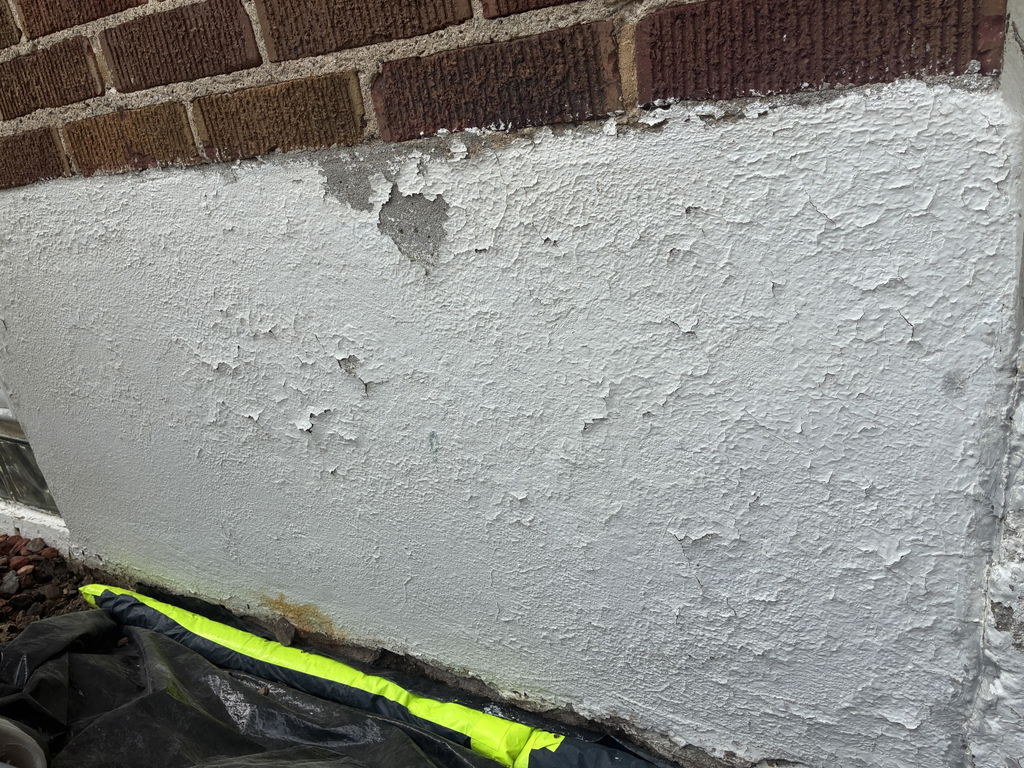
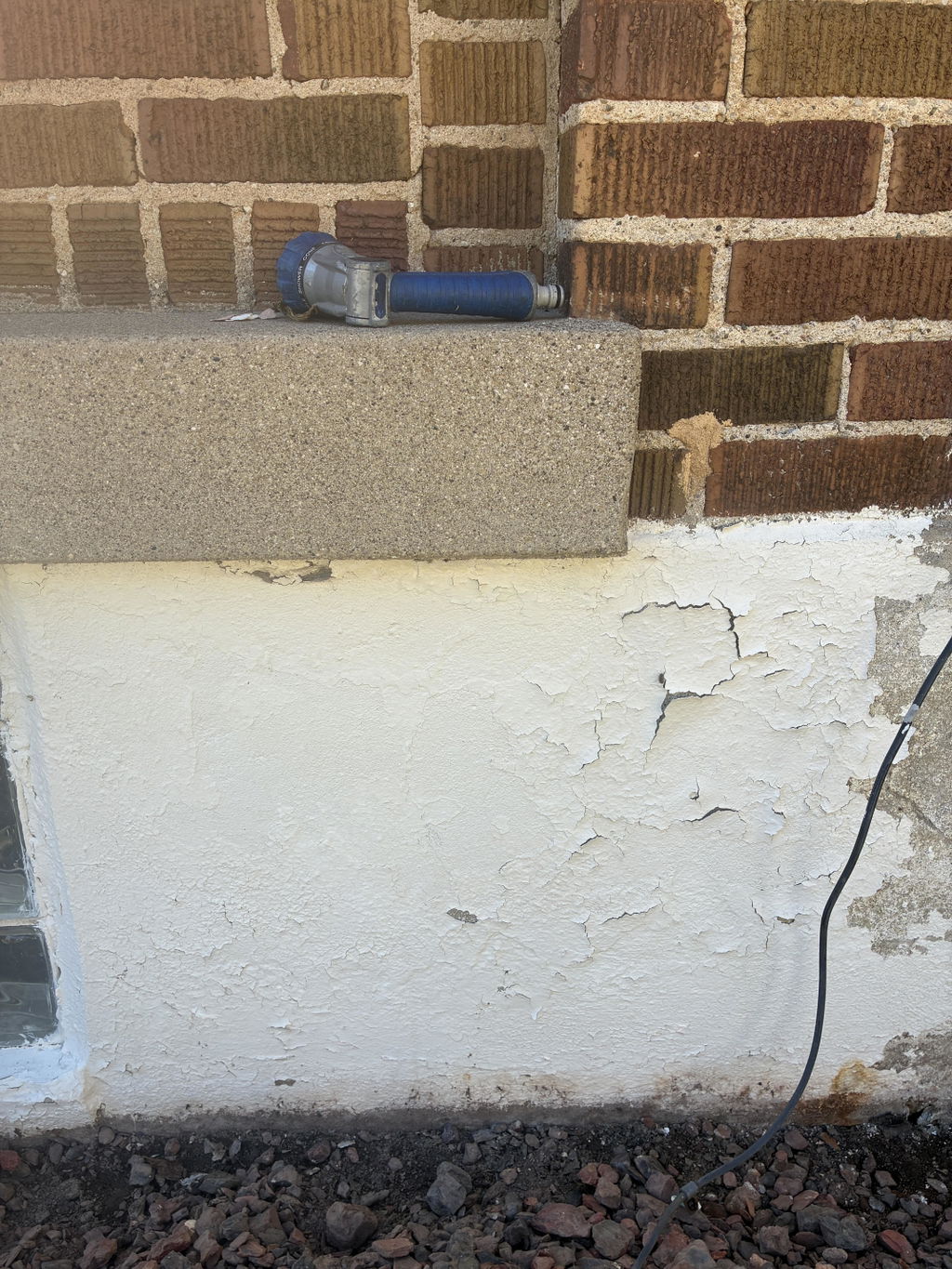
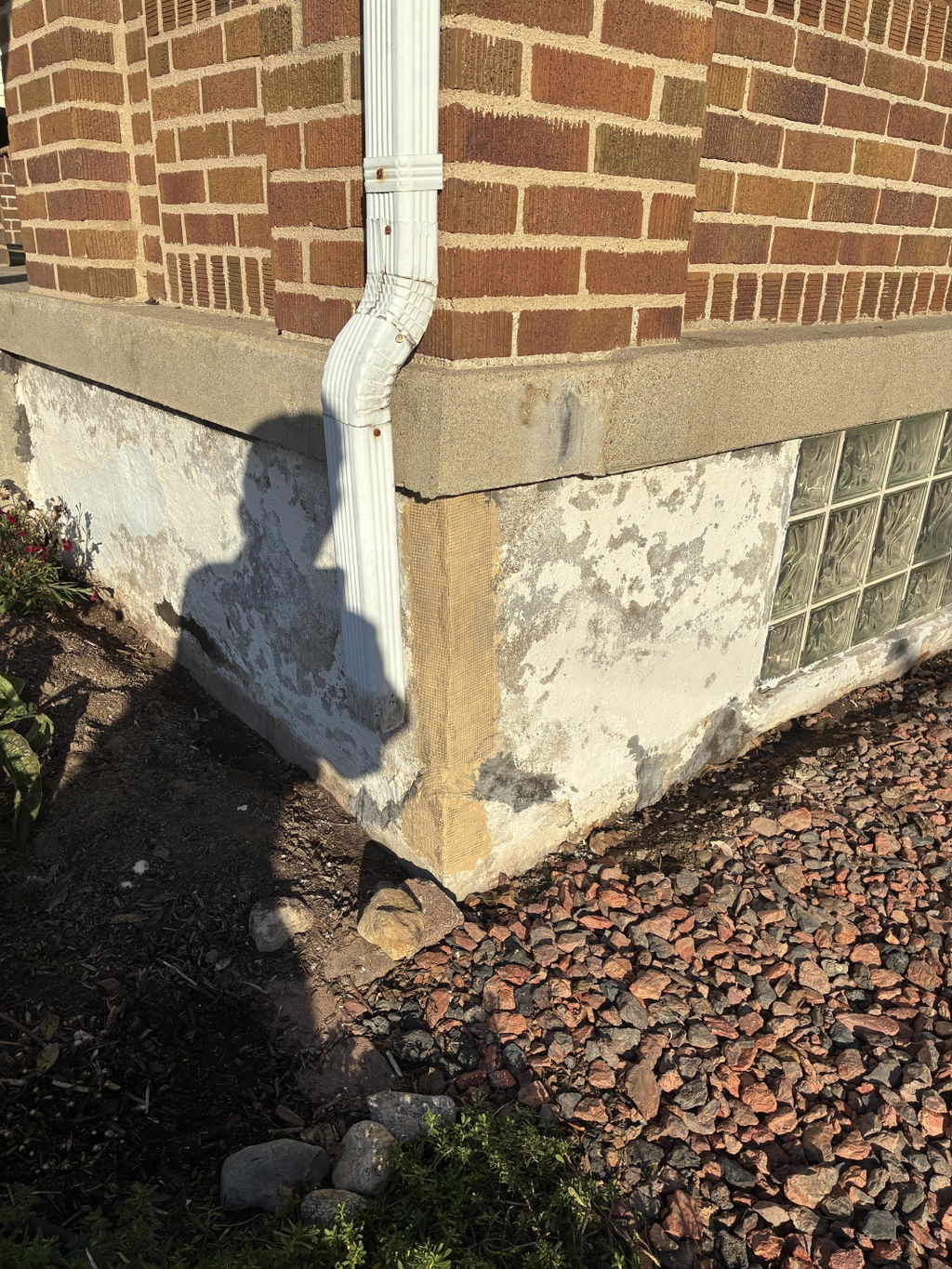
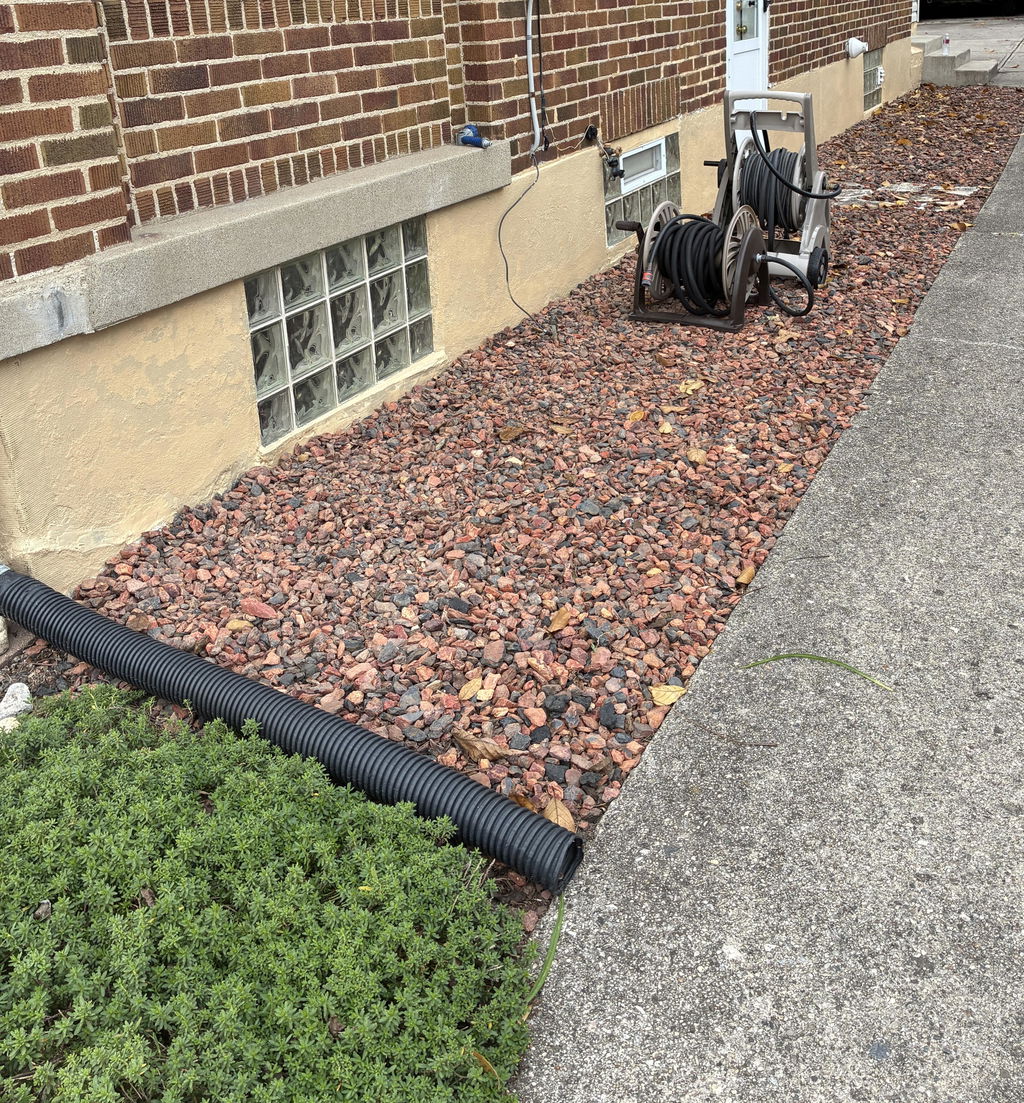
Our house will be 100 years old next year and our foundation was looking like it. I used a variety of products to patch holes and cracks; however, when it was ready to finish, I knew I wanted to use Semco Liquid Membrane. I was familiar with Semco products, which I used in sealing leaks in our basement. The staff at Semco were very helpful in telling me what I needed and how to use each product. I bought the Nu-Lift cleaner, Stone Soap and a gallon and a quart of Liquid Membrane. When it was time to use them, I contacted Semco to get specific instructions, which they provided. I am very pleased with the result!
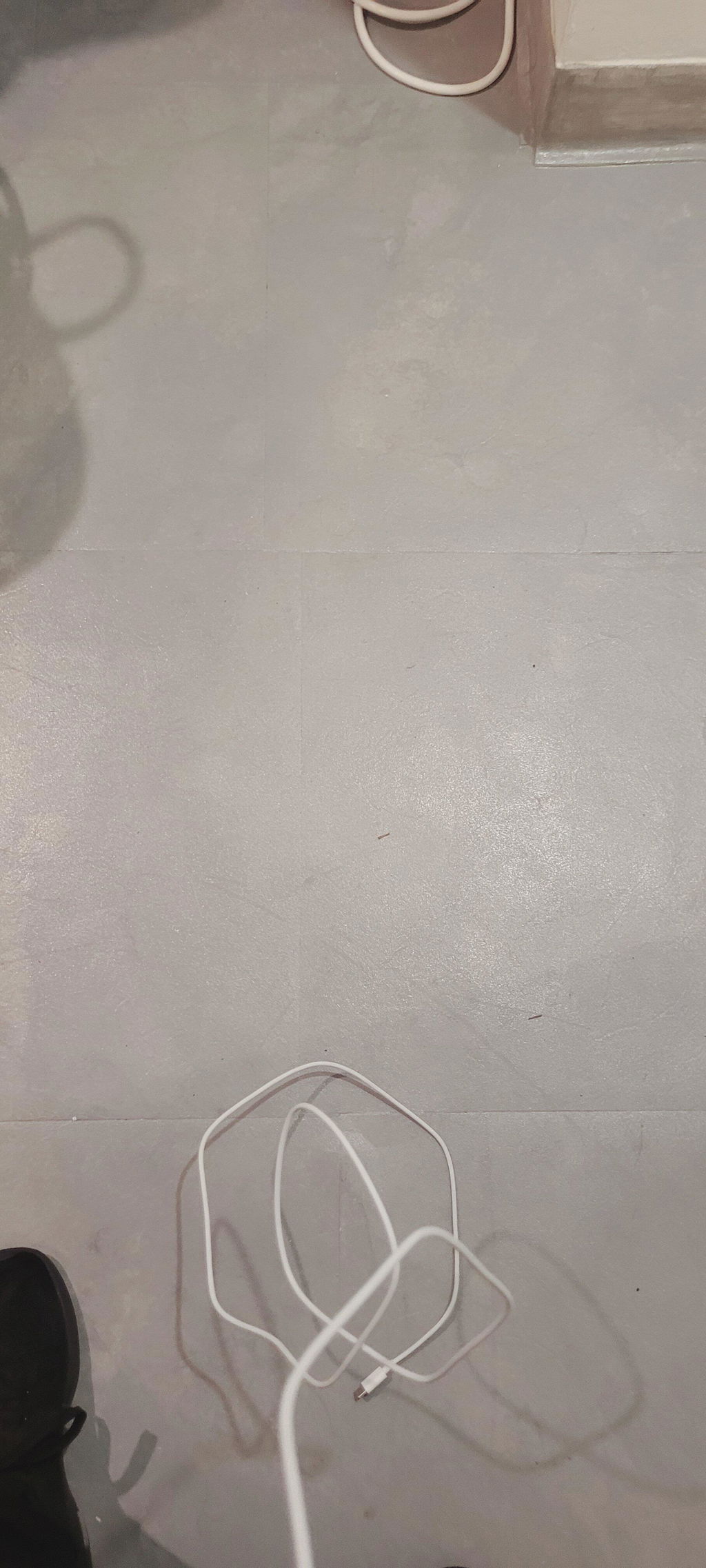
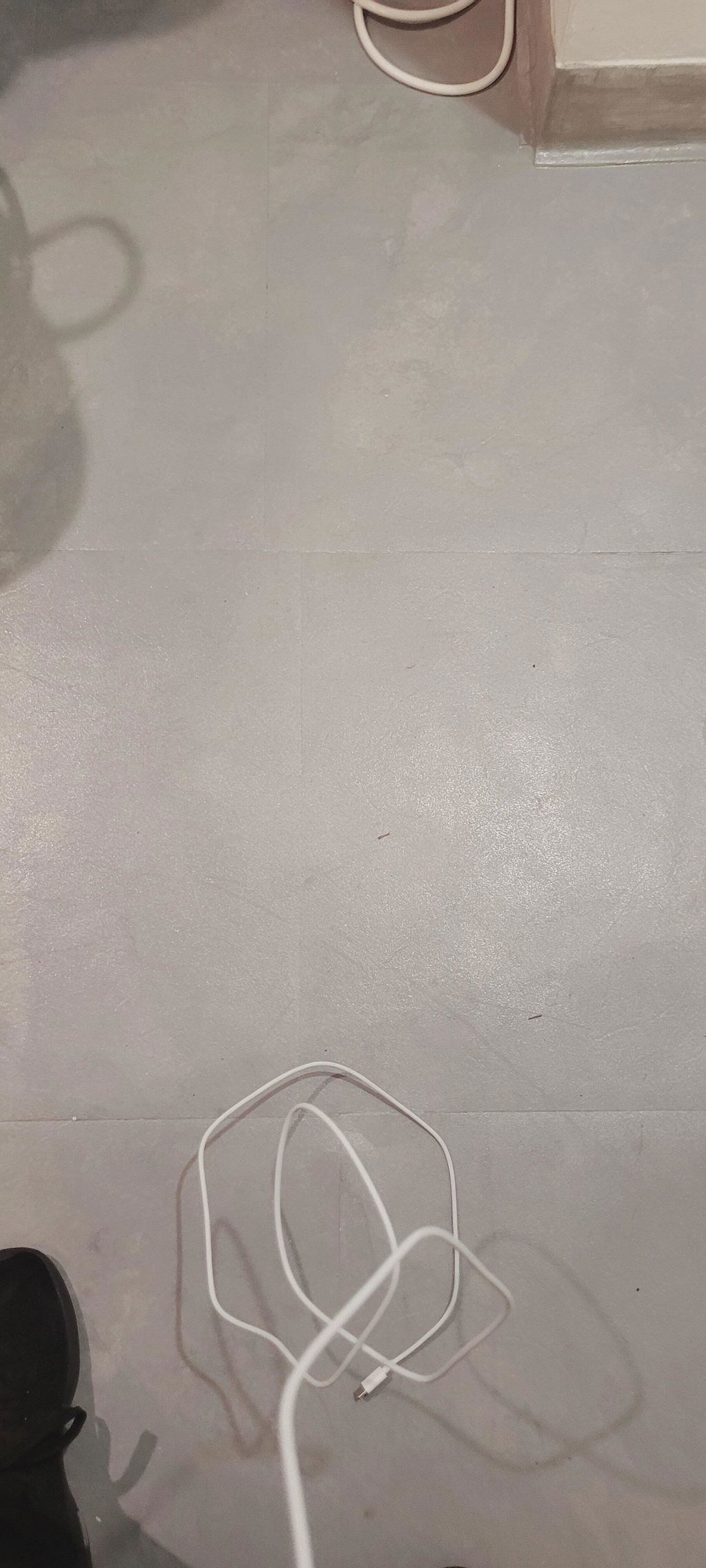
Painted my bathroom floor . I love it
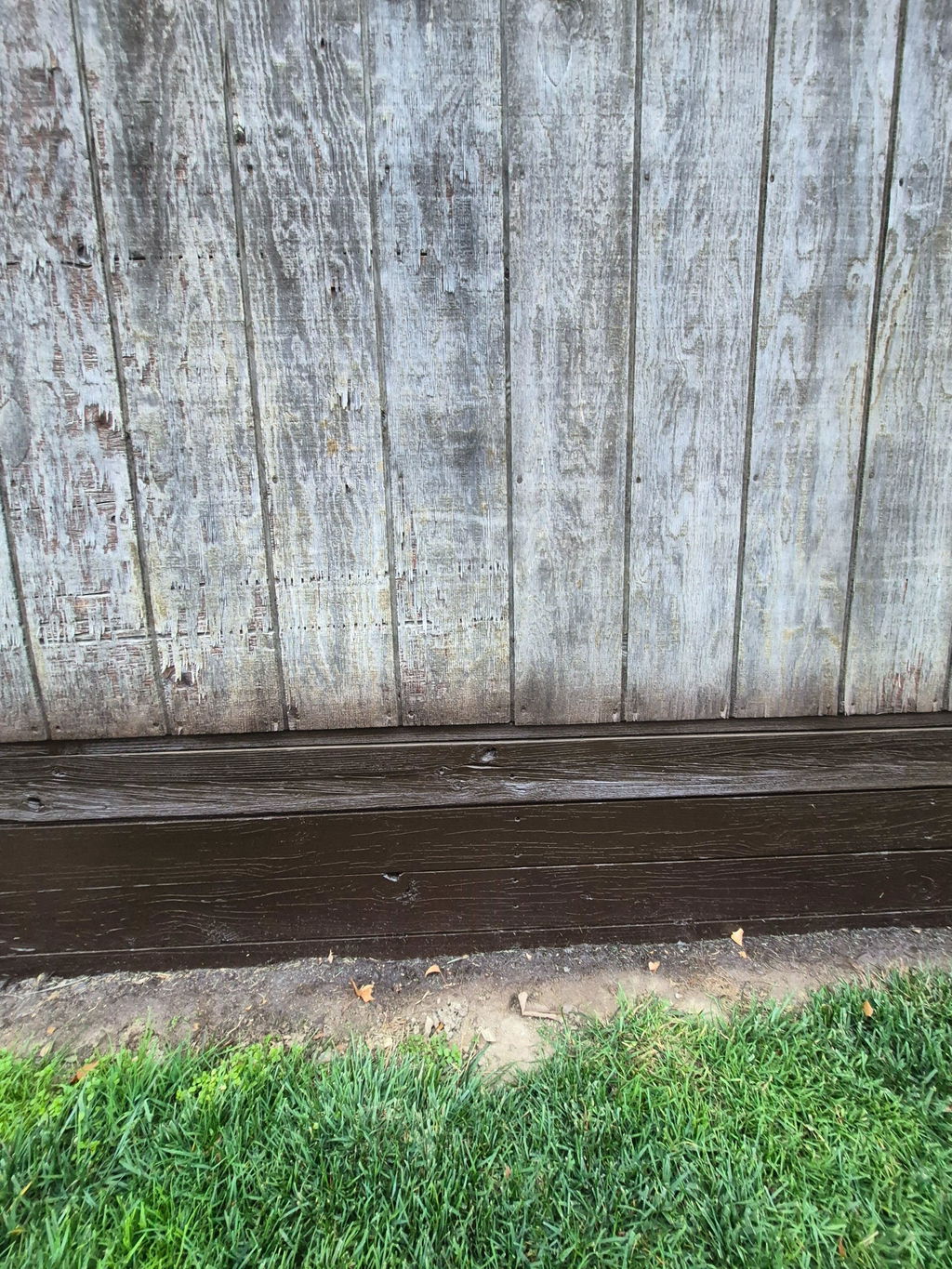
Too soon to tell how this product will perform. It was applied in 3 coats with an airless sprayer onto 50 year old treated tongue and goove pine skirting on a pole barn. Prep included sanding with 36-60 grit belts on a belt sander. It sprayed great with no thinning needed.
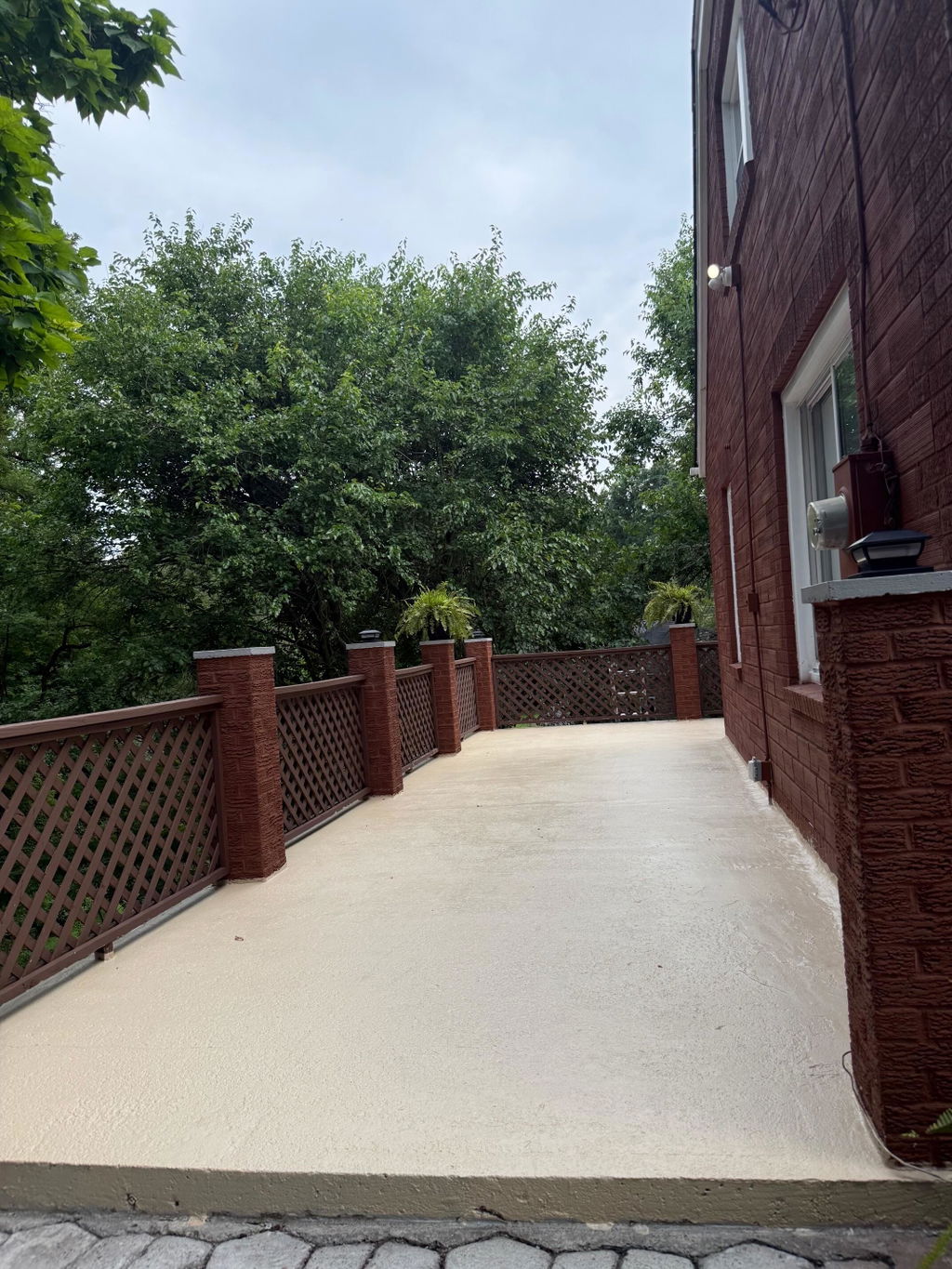
My son bought a flip house with an elevated cement patio over a garage converted into living space. The previous owners painted the deck with deck paint to cover up all the unrepaired cracks. Within a month of moving in - the leaking started and eventually ruined the ceiling and carpeting. So, I chased all the cracks and filled them with hydraulic cement and self-leveling crack sealer. That was phase one. To sure up the deck we added two coats of Semco Liquid Membrane. It’s been five months, through multiple big rain events, and zero leaks. Semco is working so good we also added it to the outside exposed cement block on two sides of the same room just to add an extra layer of water proofing and protection. Great product snd I will use it again when water penetration is an issue.
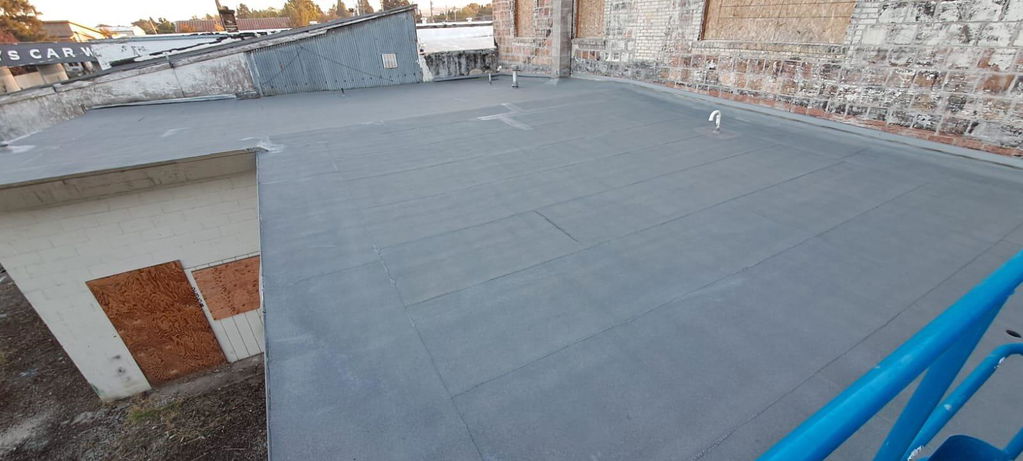
great customer service and product is easy to apply
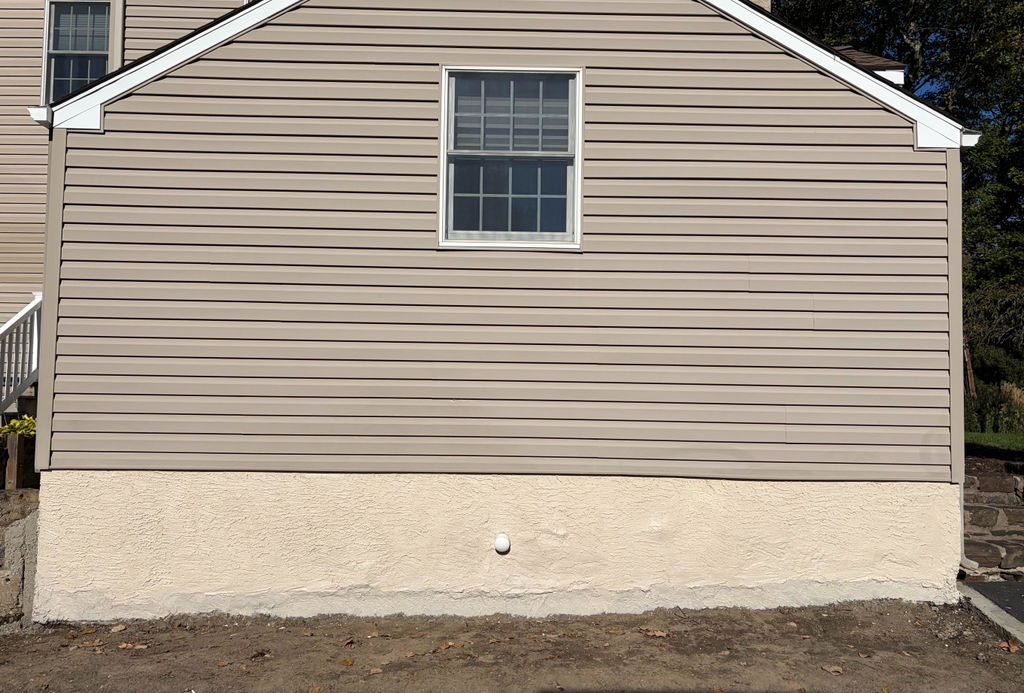
Love the product!! I fixed an exterior wall that covers cinder block with stucco repair paste. Then waterproofed the repair with Semco. It looks "brand new" and much cleaner. I have to repair our wooden bridge and then the front and back aprons of our asphalt driveway.
Product works amazing. Highly recommend for Fountian basins.
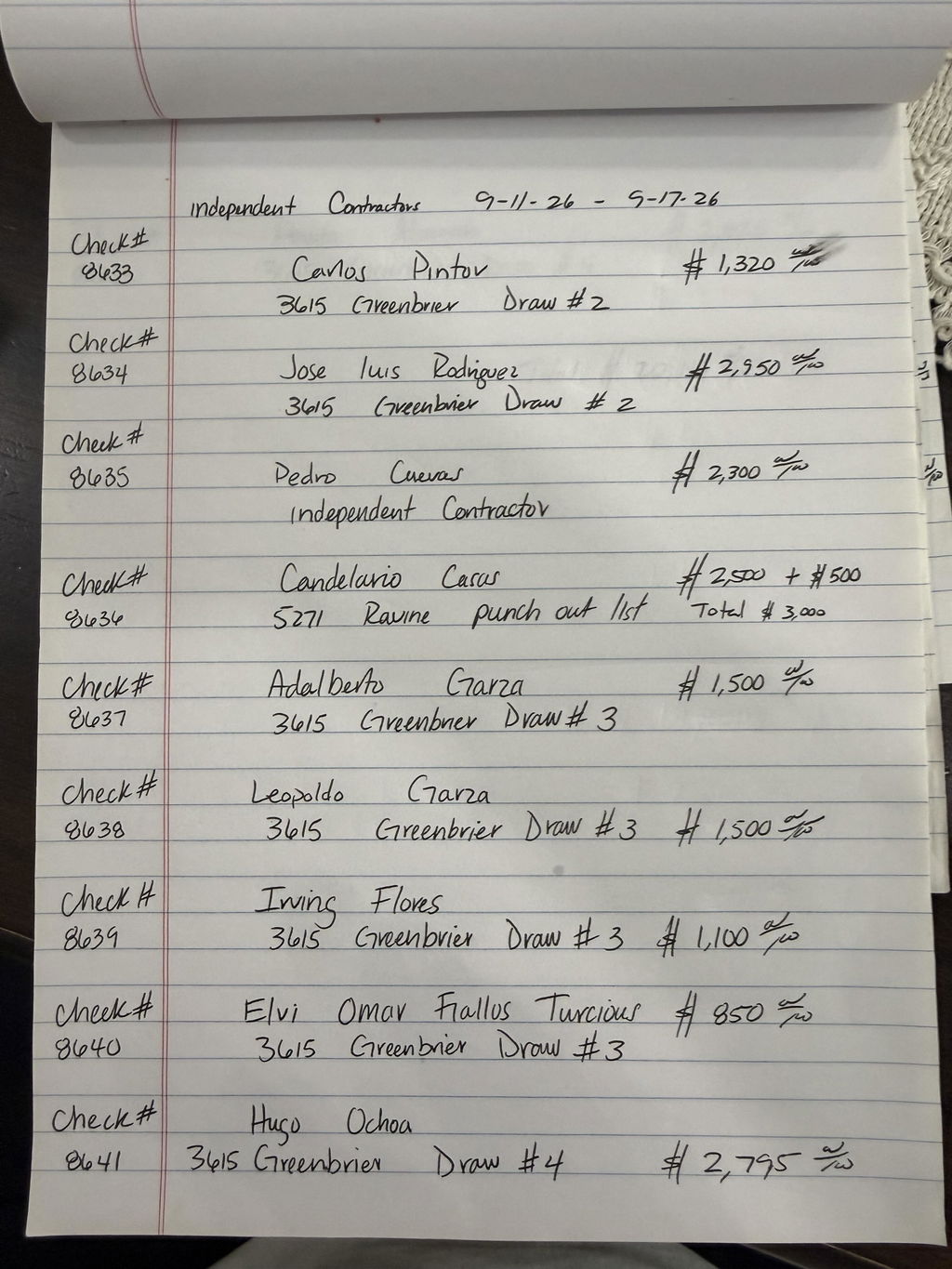
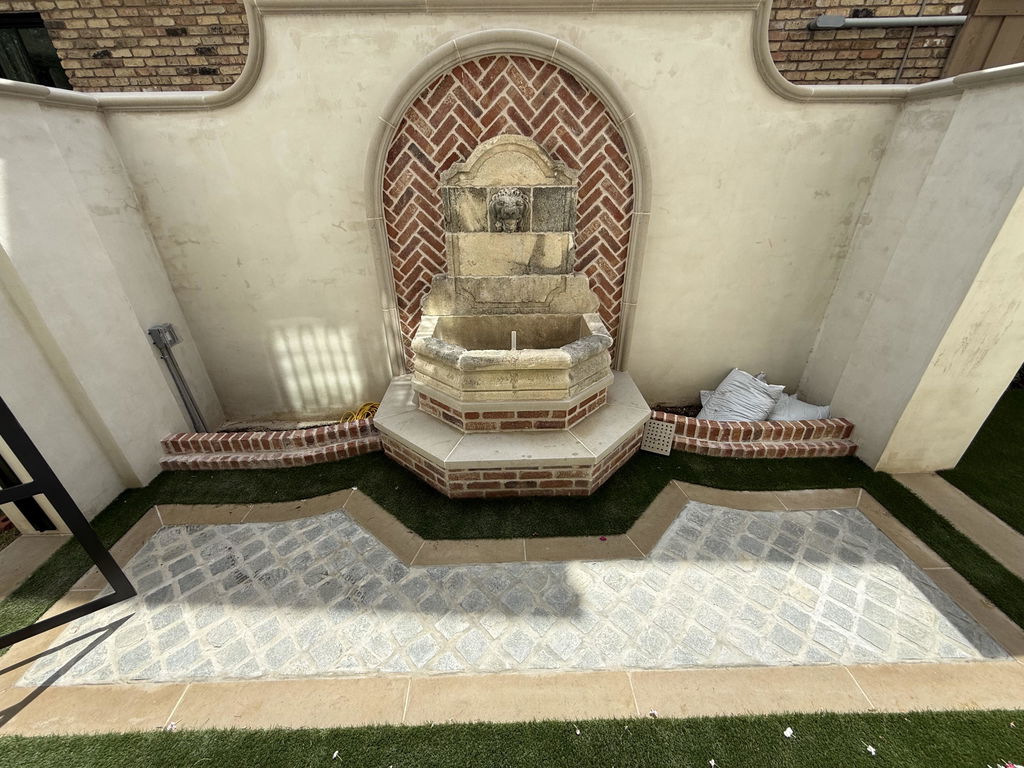
Finally, a product that worked. Creates a waterproof barrier, as advertised. My creation - The Platform at Empire Estate - is protected, as is the basement beneath it. Very happy.

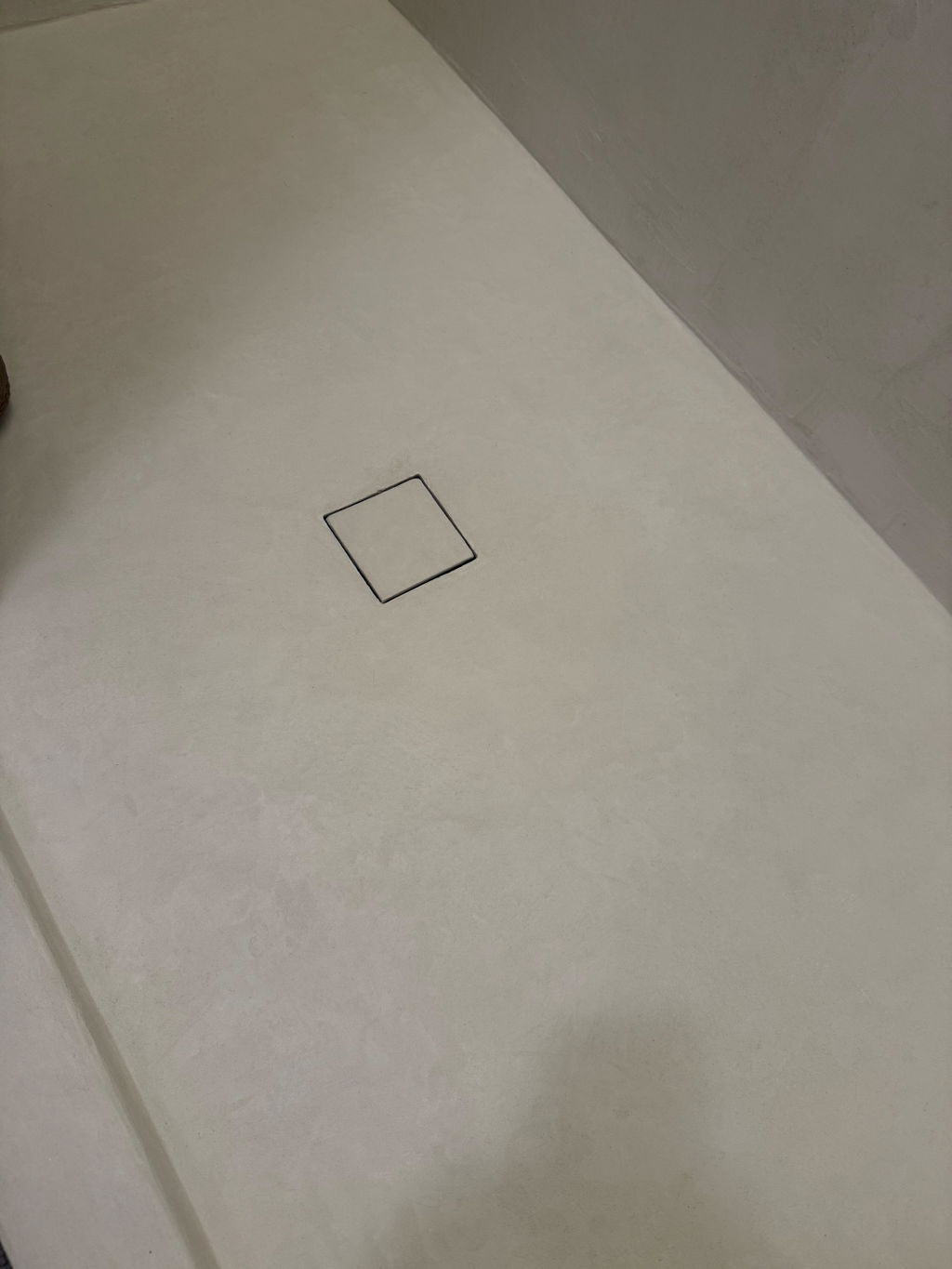
I used this product because it's supposed to be one of the best as a crack membrane. My shower was already waterproofed but the microcement was cracking over redgard. So I wasn’t as concerned about the waterproofing aspect. I cleaned, chemically etched, and sanded the old microcement before applying. If you tape a line, pull it off before the product dries. It will cause the membrane to lift. The color selection is also great. I didn’t have to be concerned about my thin coat of microcement showing any red spots. Product does not have a ton of “tooth” so applying the first coat of microcement had to be intentional. So far NO new cracks and the floor looks great. Huge improvement over old crack membrane.
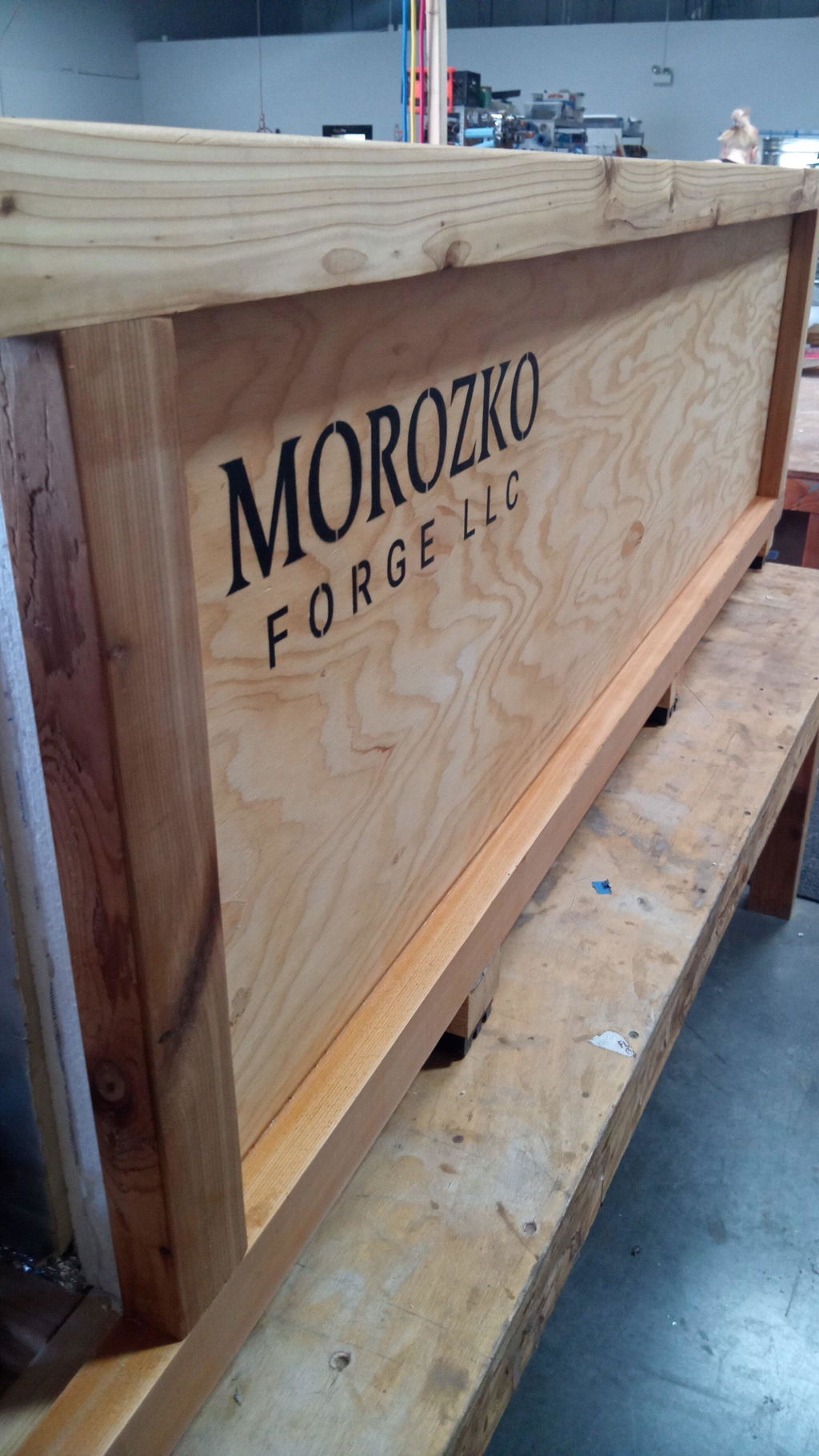
We have been using SEMCO to waterproof our product for the last 3 Years.
The quality of material we are sealing is wood and the SEMCO product line has help improve the waterproofing tremendously. I'm writing the review on behalf of my company Morozoko Forge. We appreciate the customer service and quality of SEMCO. I think we will continue to use this product in our production line for years to come. Thank you! Should Semco ever want to visit our manufacturing facilities we are located in Phoenix, AZ. send a rep and have him or her cool down after their visit.
Regards
Morozko Forge

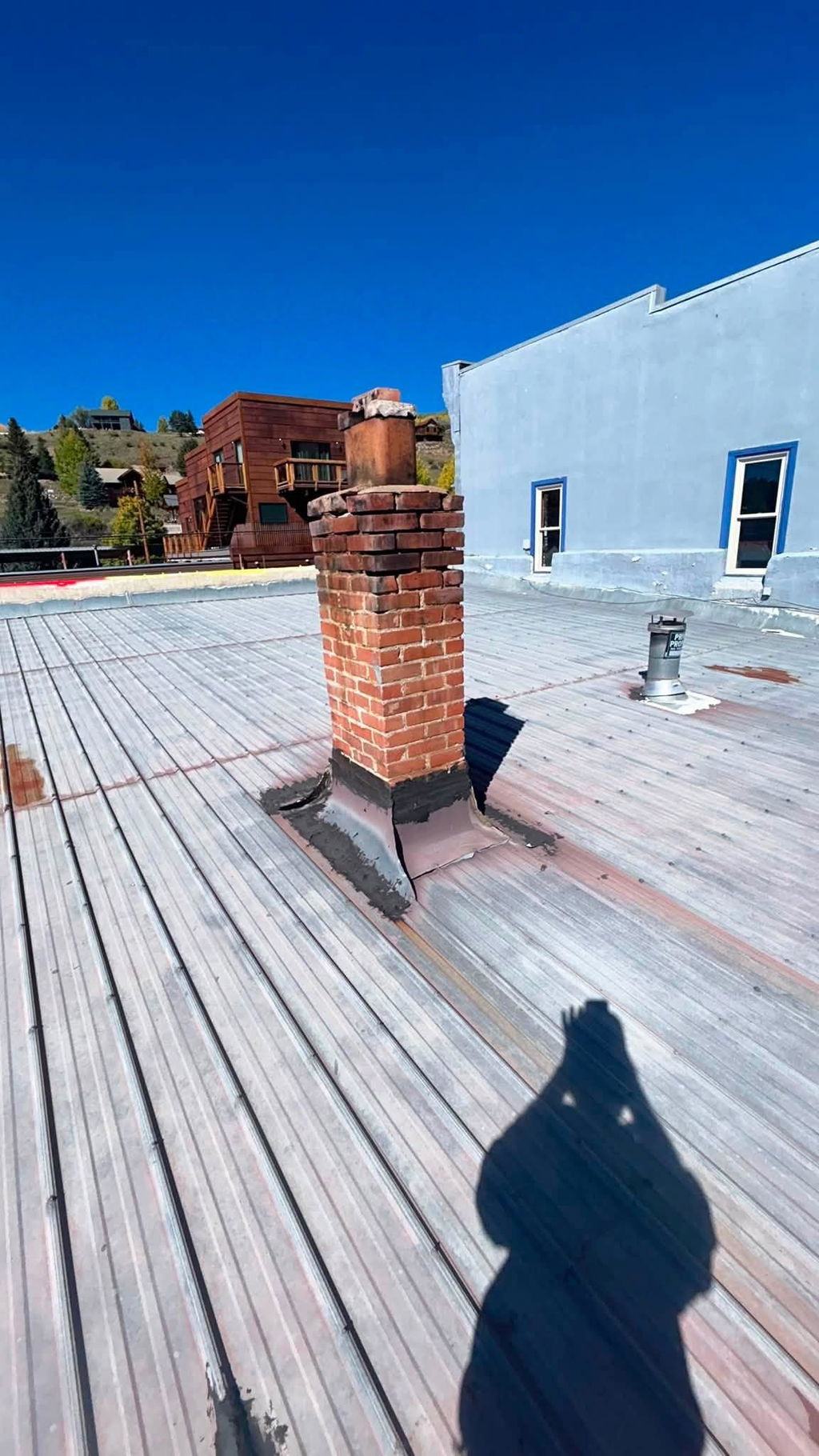
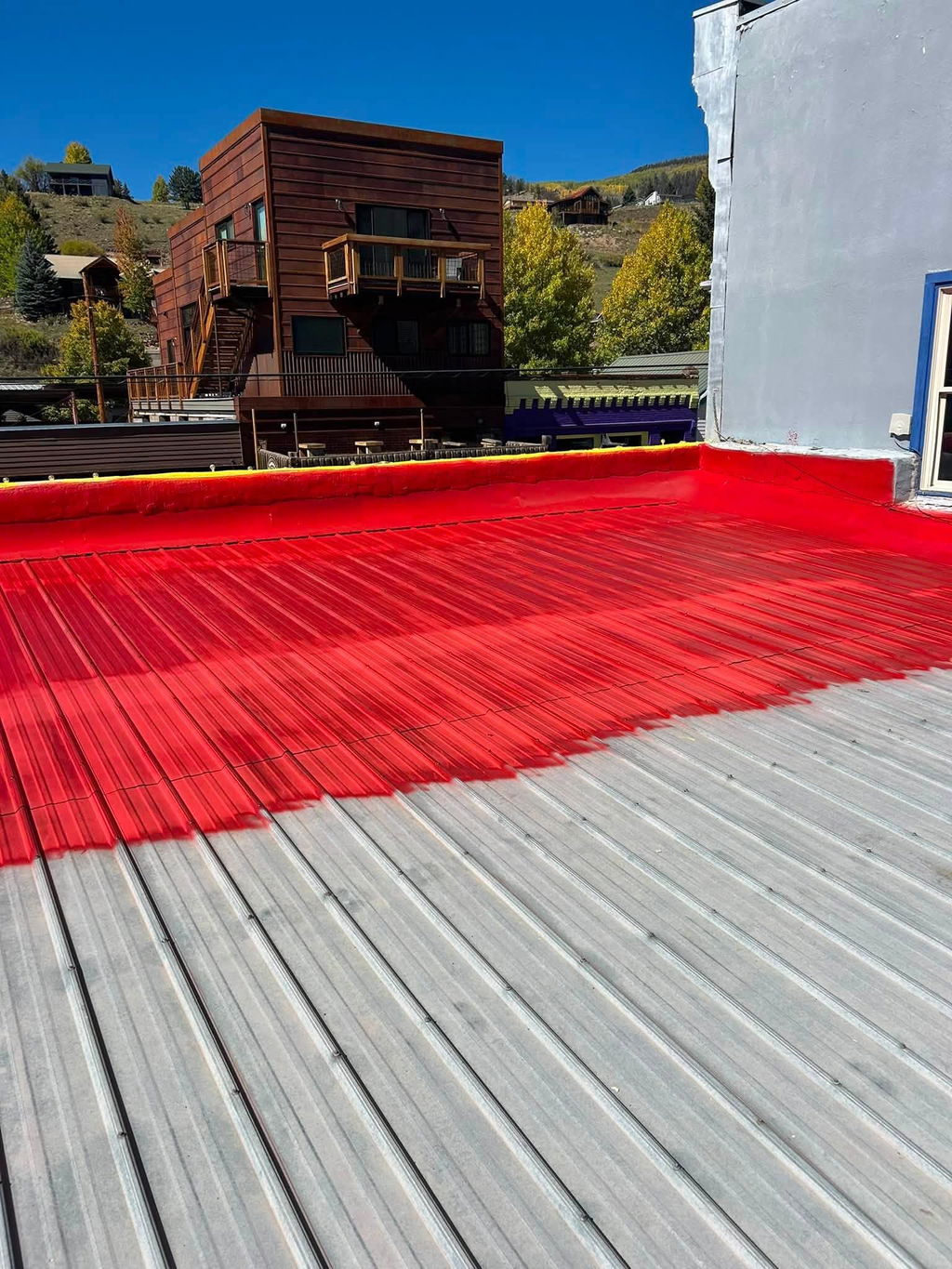
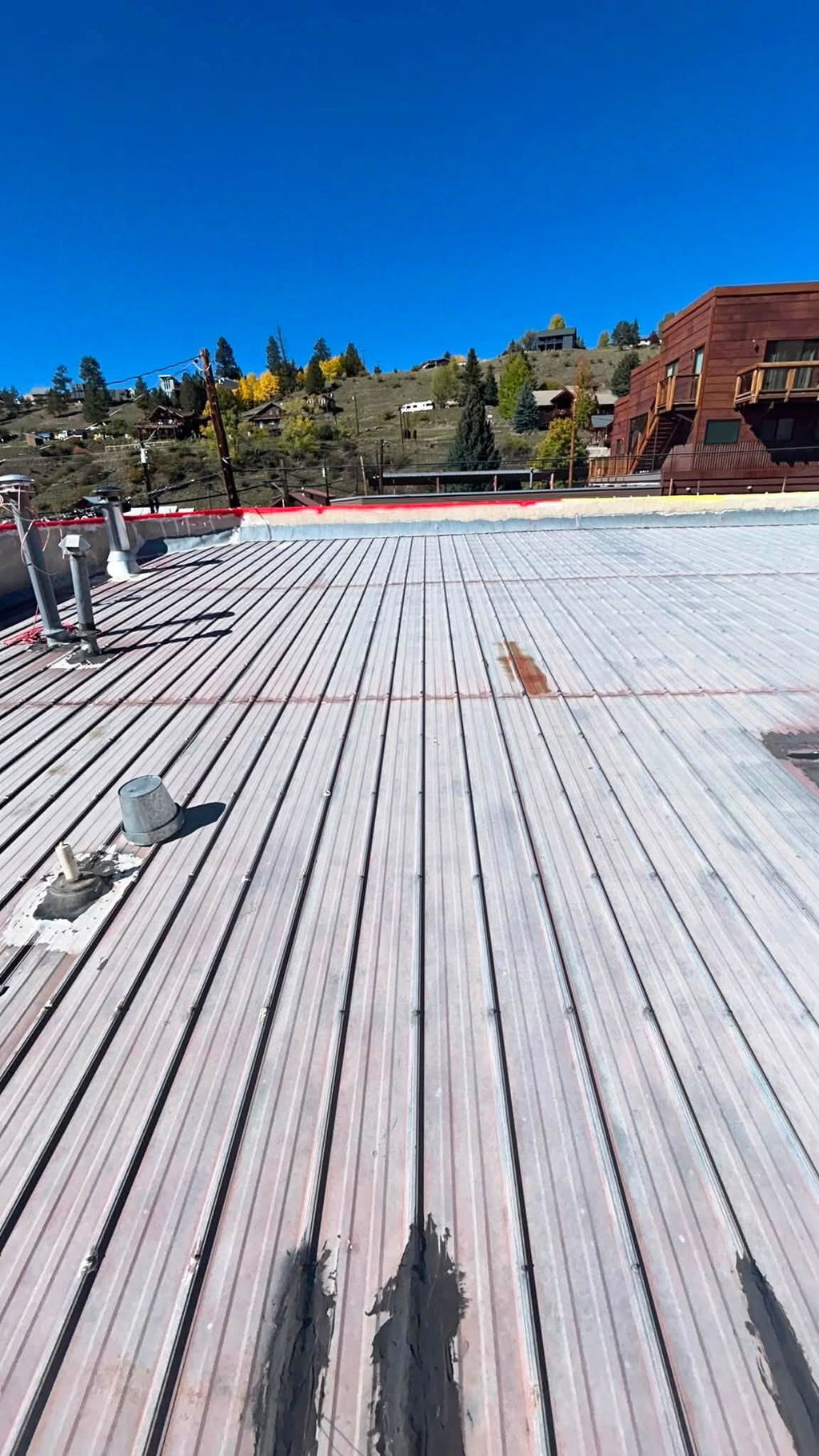
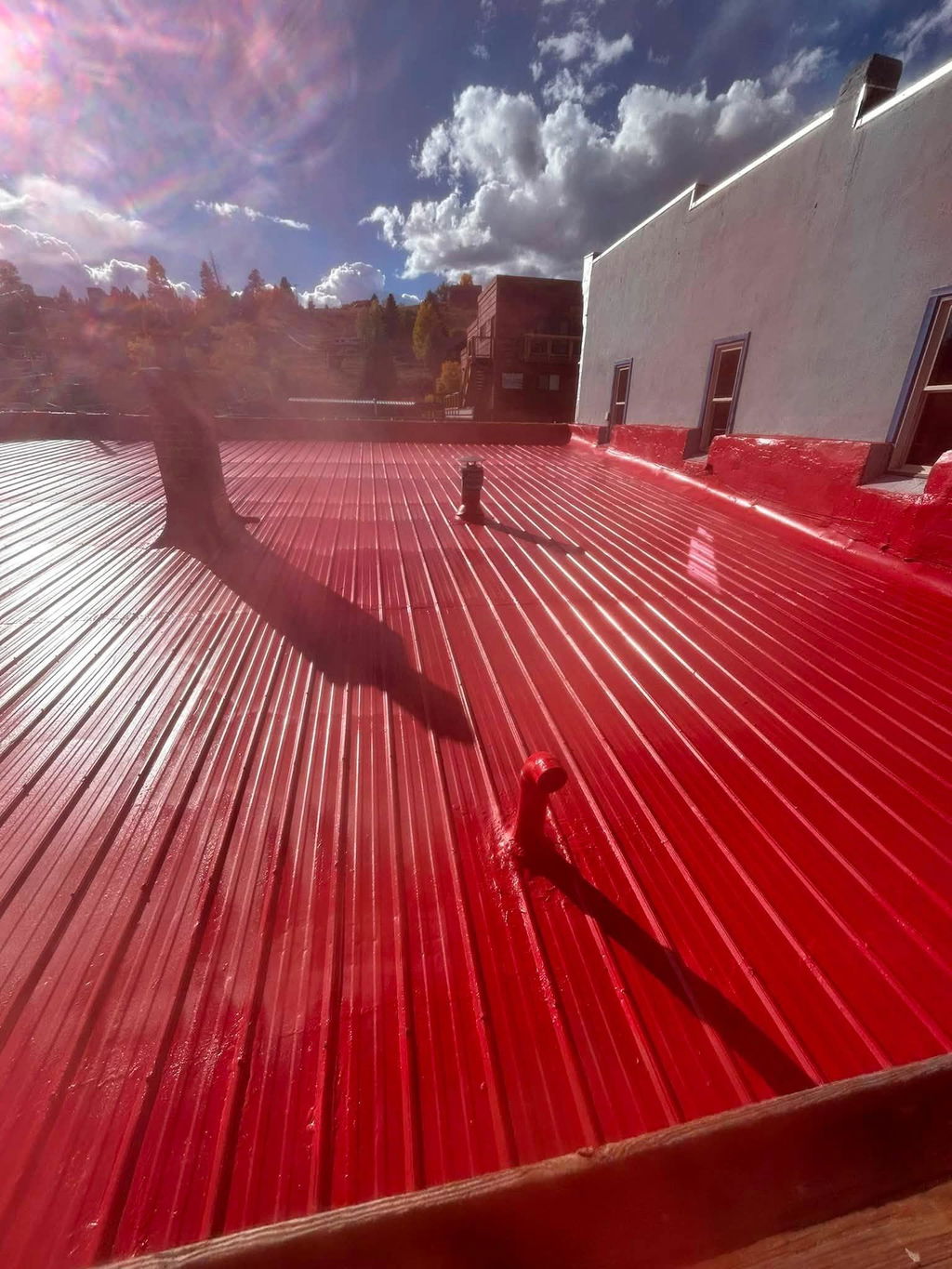
SEMCO FIXED OUR LEAKS! We have 30 year old metal roof that is still in decent condition but has a few minor leaks- Semco FIXED OUR LEAKS! Very happy with the product and great customer service!
Si far so good, I guess time will tell but seems to be a quality product
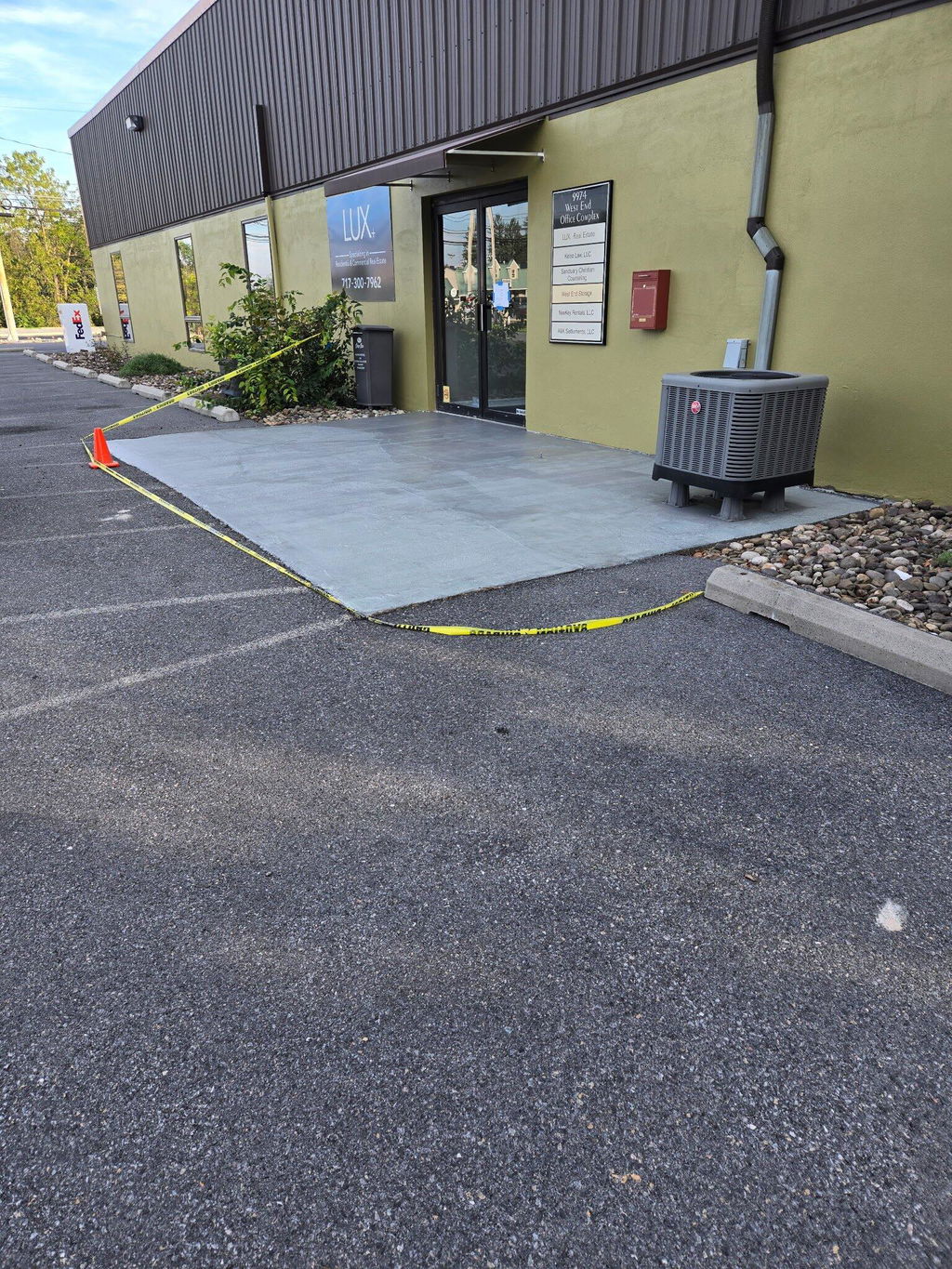
So far seems to be a fabulous product. The staff are very helpful with any questions you may have and reply in a timely manner.
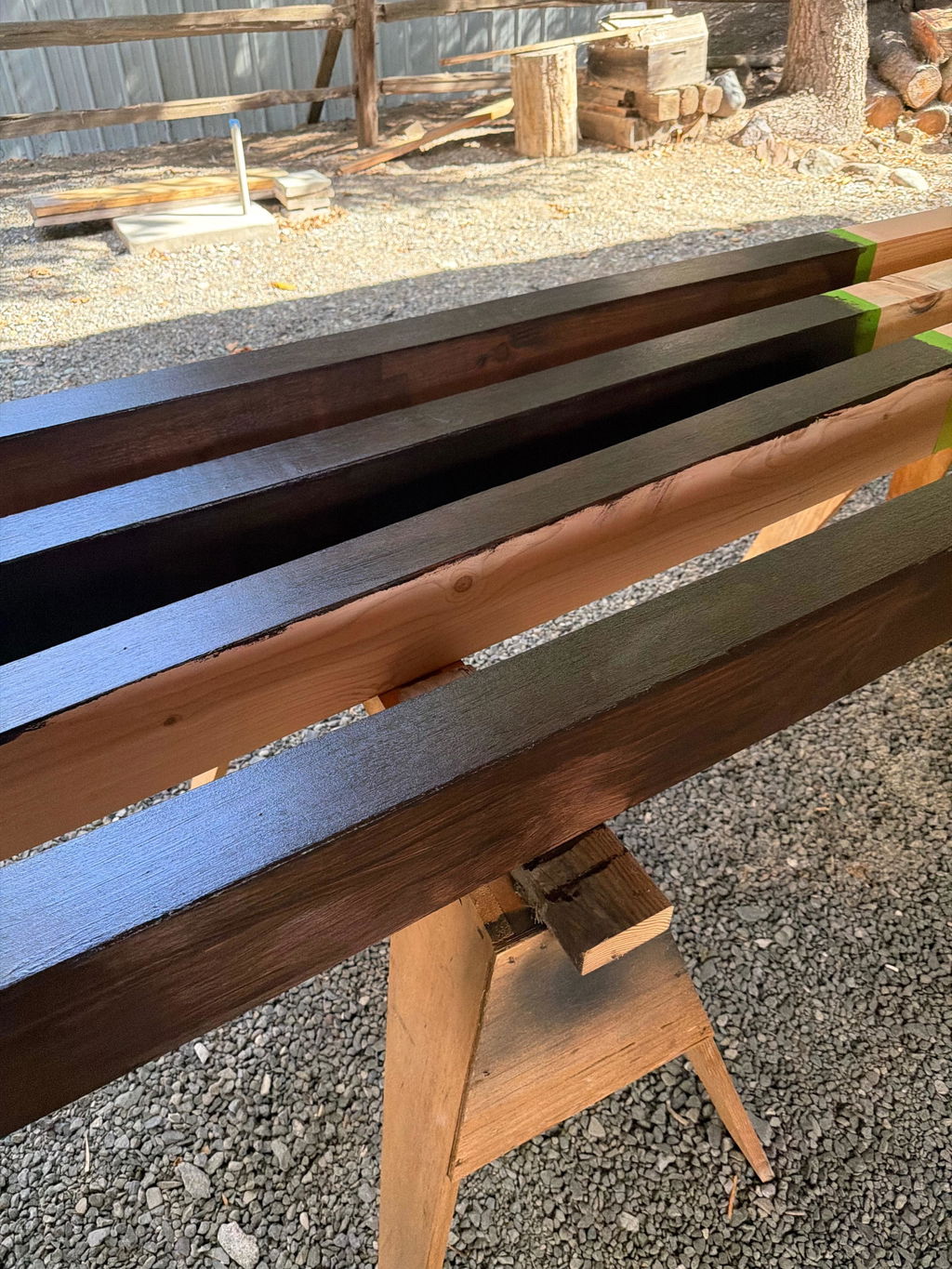
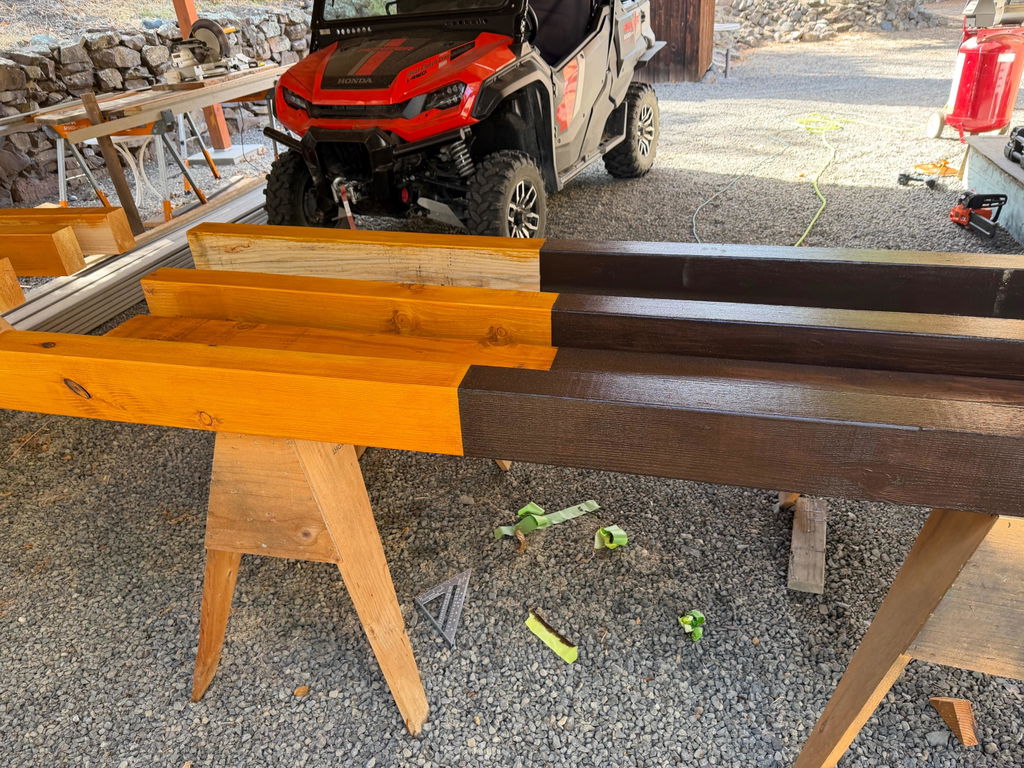
This is the best waterproofer I have ever seen ! It delivers on every promise made and is way better than I was told. It's worth every penny. I will buy more of it. No project it can't handle.👍👍👍👍👍👍👍👍👍👍👍
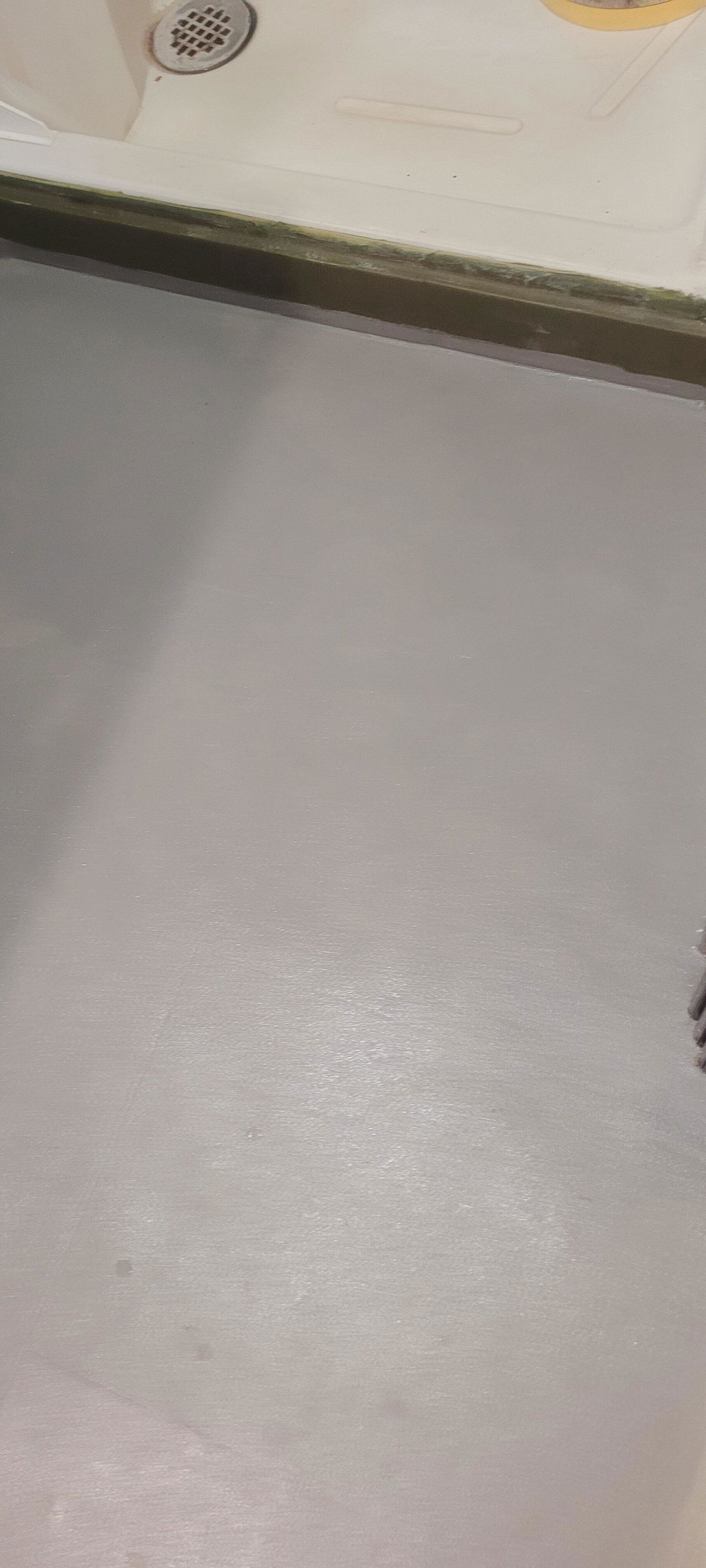
I’m so glad I used the cleaners and the membrane then the semco I will not have any problems with my inside block wall very simple to use
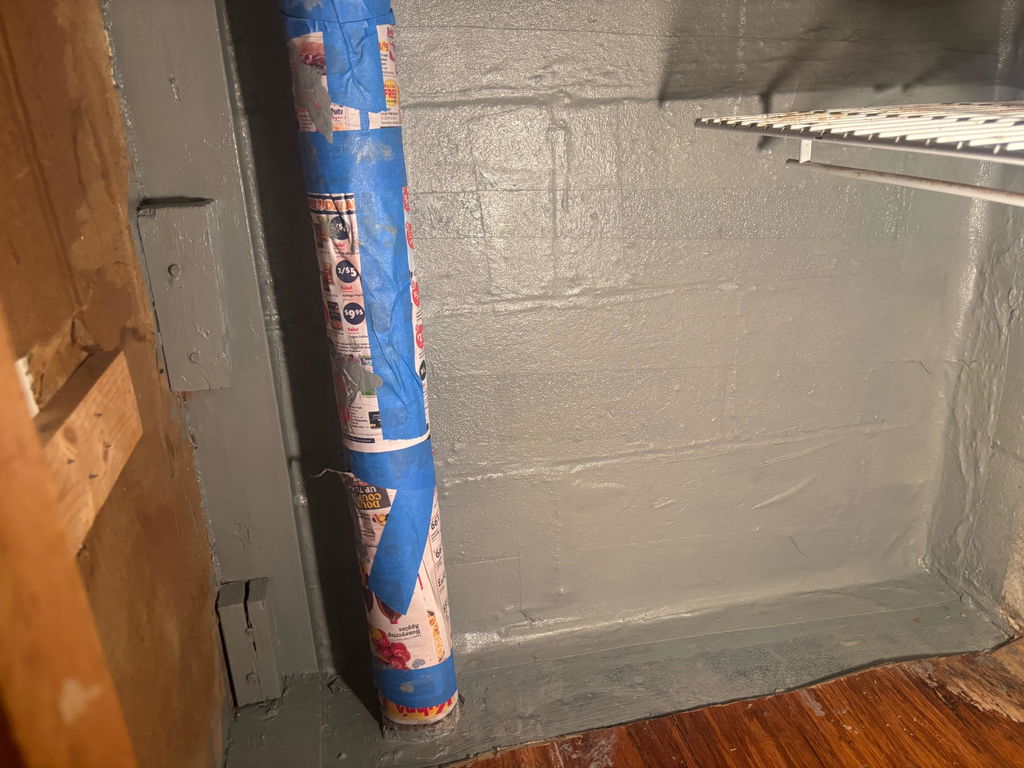
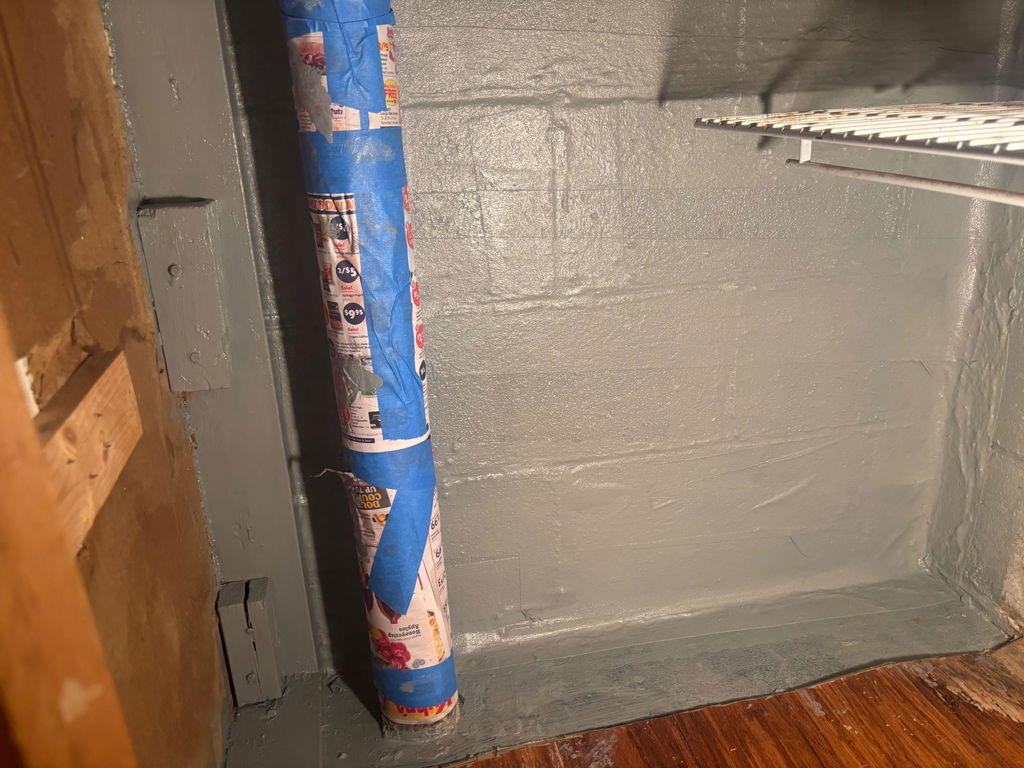
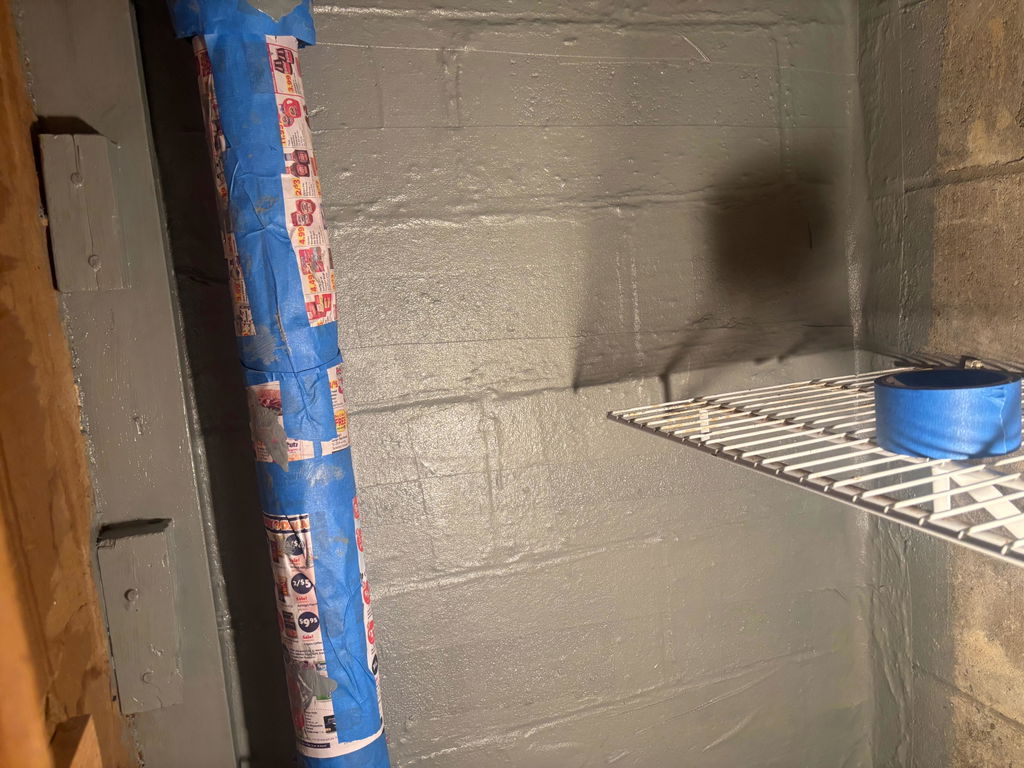
Liquid membrane worked great to waterproof very old concrete steps. Thinner than any paint. Two coats finished the job.
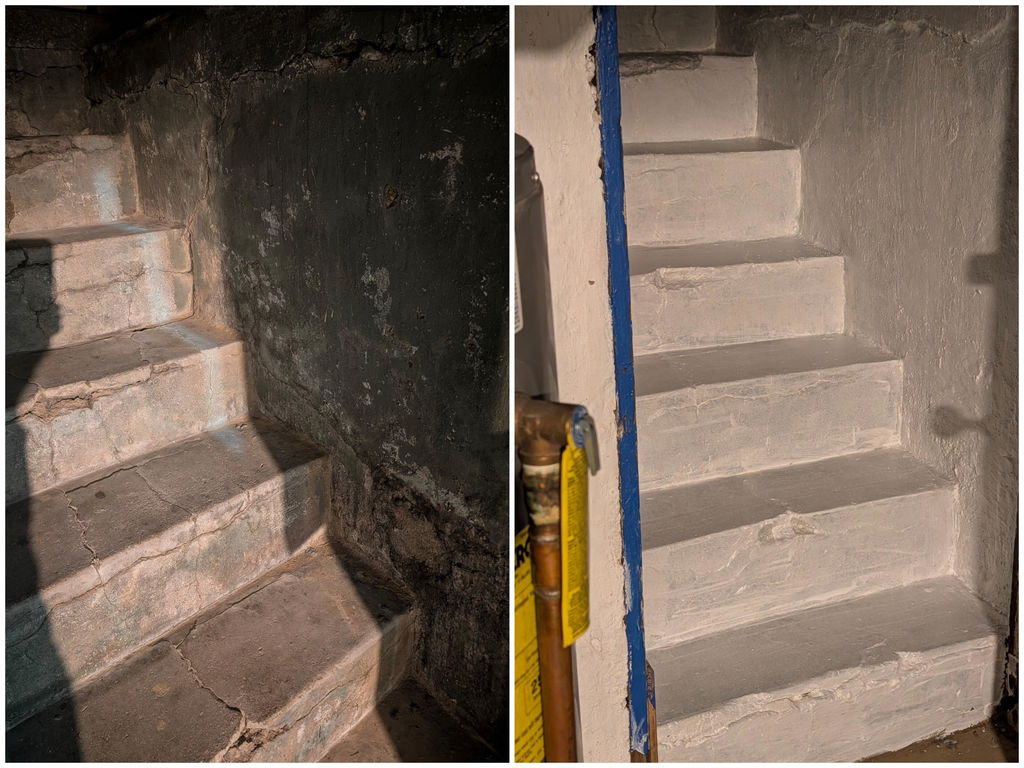
Used product on a custom water fall. After repairing all cracks some up to .5 inched wide, followed instructions and applied liquid membrane! 100% dry! Will definitely use again!
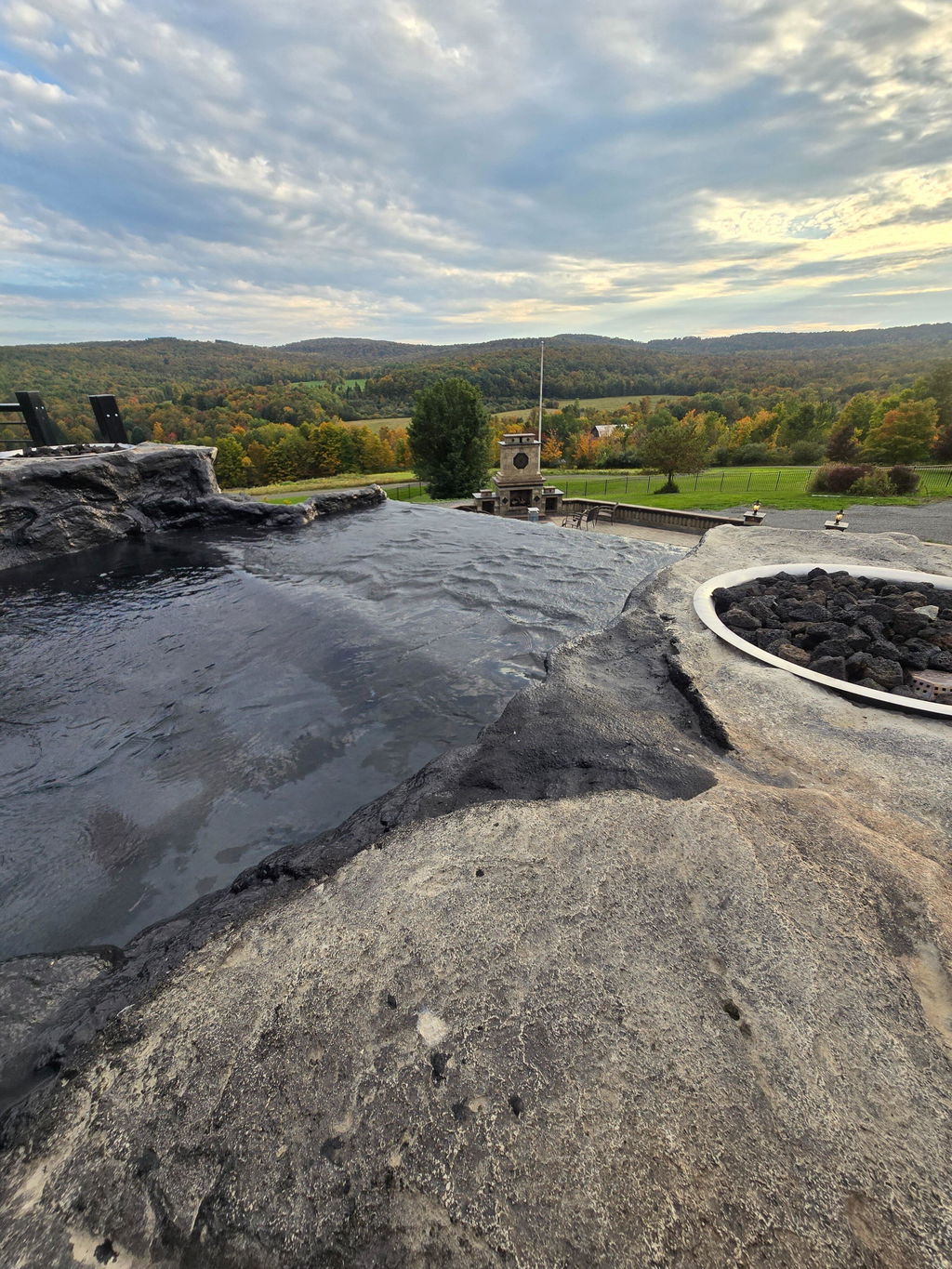
Prep and application were simple. I am excited to see how many years of protection it will provide
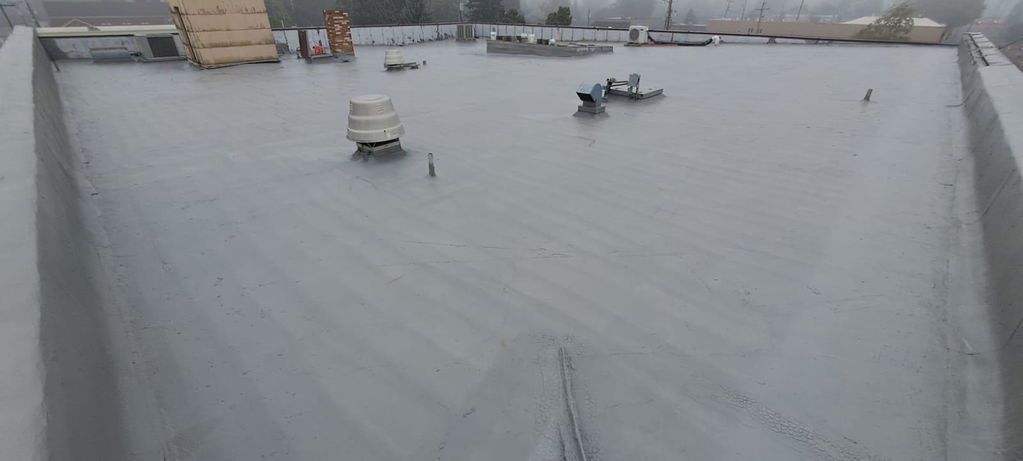
Had to strip old finish off my exterior basement foundation. I reaserched alot of products and decided to go with SEMCO. It applied well, dried fast and maintained its color. Best product I believe for this application.
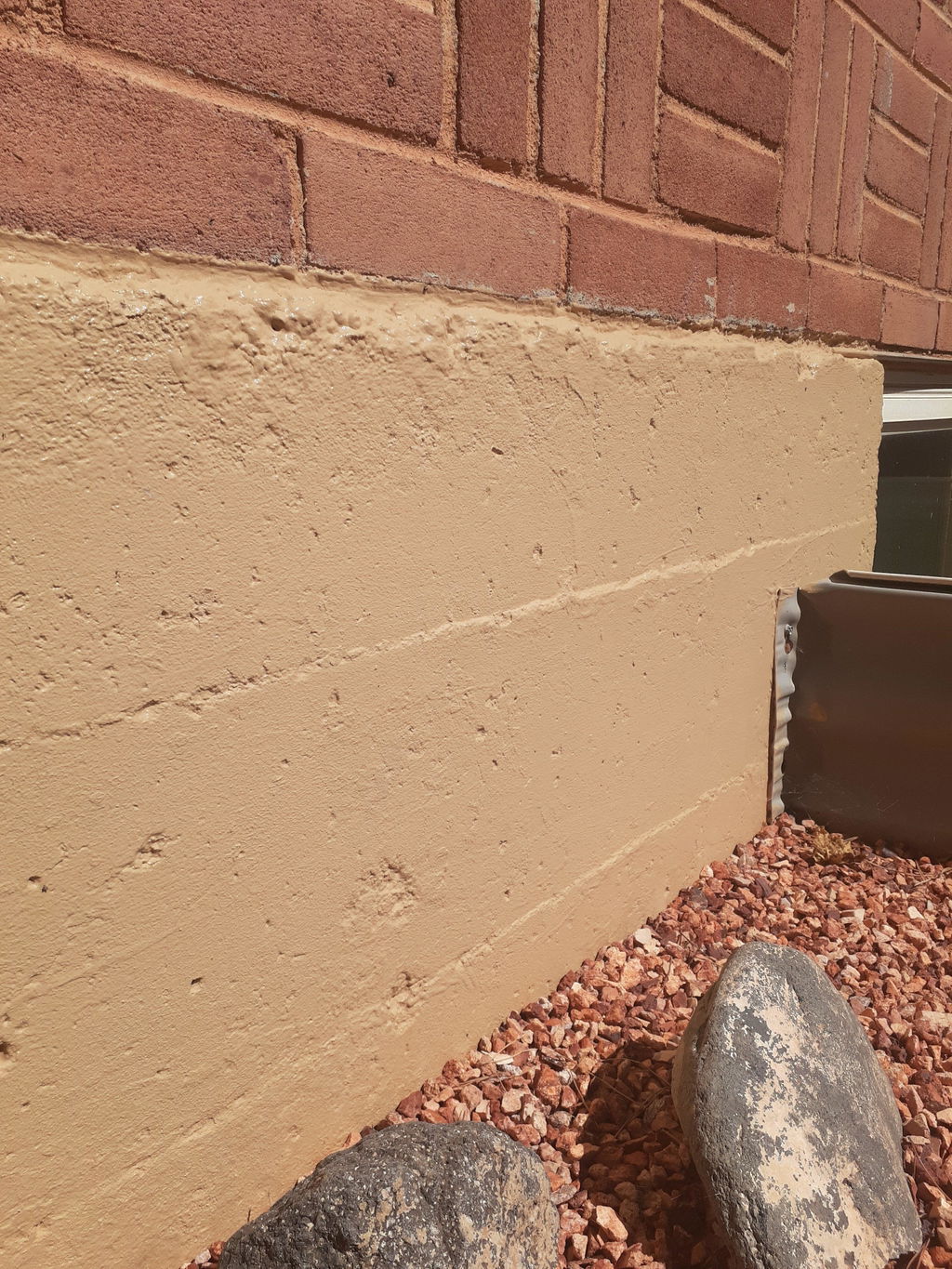
NO mixing, roll on or spray on. To hot or too wet so managed to get some done today. Not sure on waterproofing until a gully washer stops by.