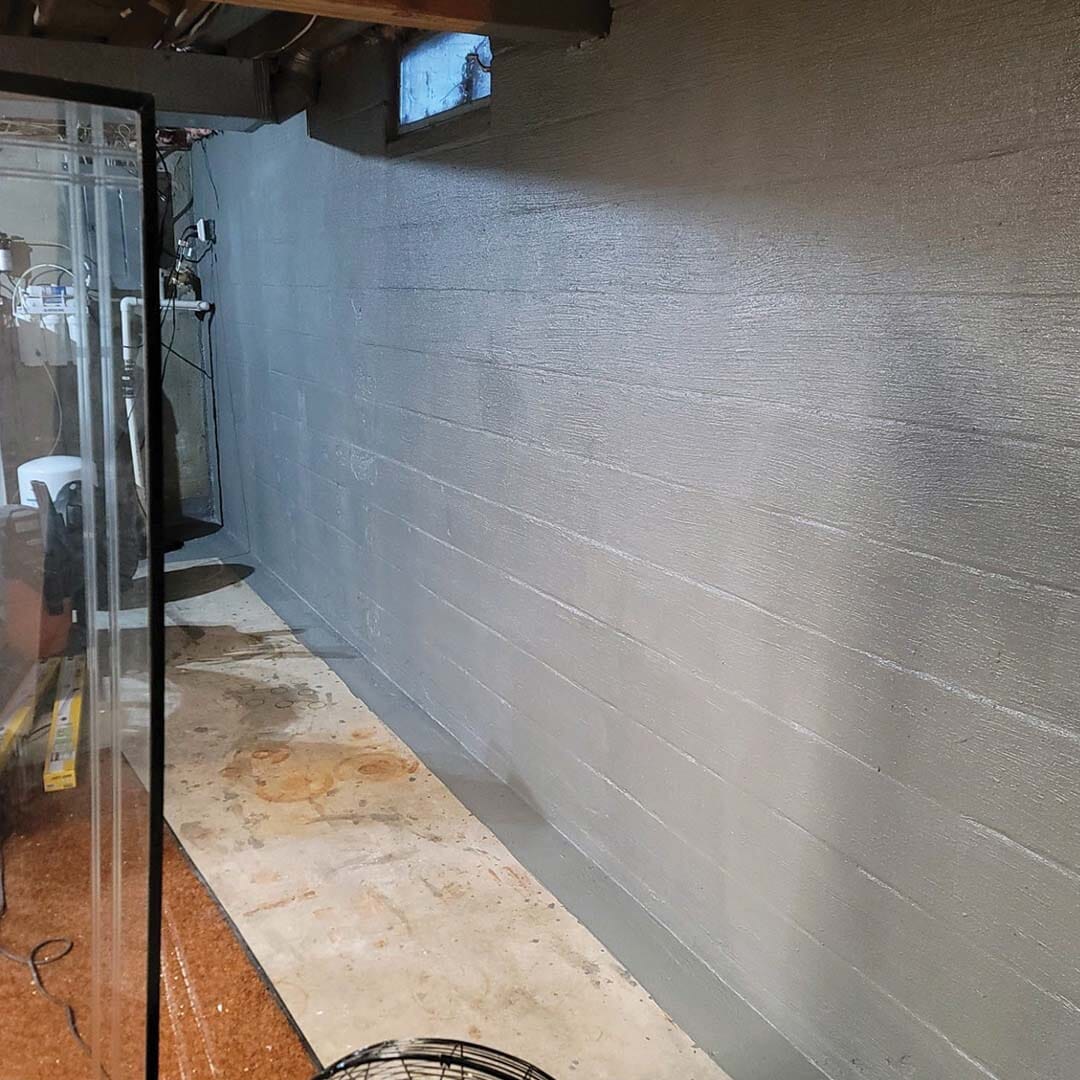

Waterproofing a concrete pool means prepping the shell, repairing and reinforcing any cracks, then applying a flexible waterproof coating in the right number of coats so it can handle constant water contact without failing at the seams, corners, or fittings. Concrete on its own is porous and will absorb water and crack under hydrostatic pressure over time, which is why bare plaster or paint alone isn't enough. Here's the full process, done right, so you're not repeating it in two years.
In this guide
- What you'll need
- Why concrete pools need waterproofing
- Step 1: Prep the shell
- Step 2: Repair cracks and reinforce joints
- Step 3: Apply the membrane
- Step 4: Cure fully before filling
- Step 5: Water-test before you trust it
- Common mistakes that cause pool coatings to fail
- FAQ
What you'll need
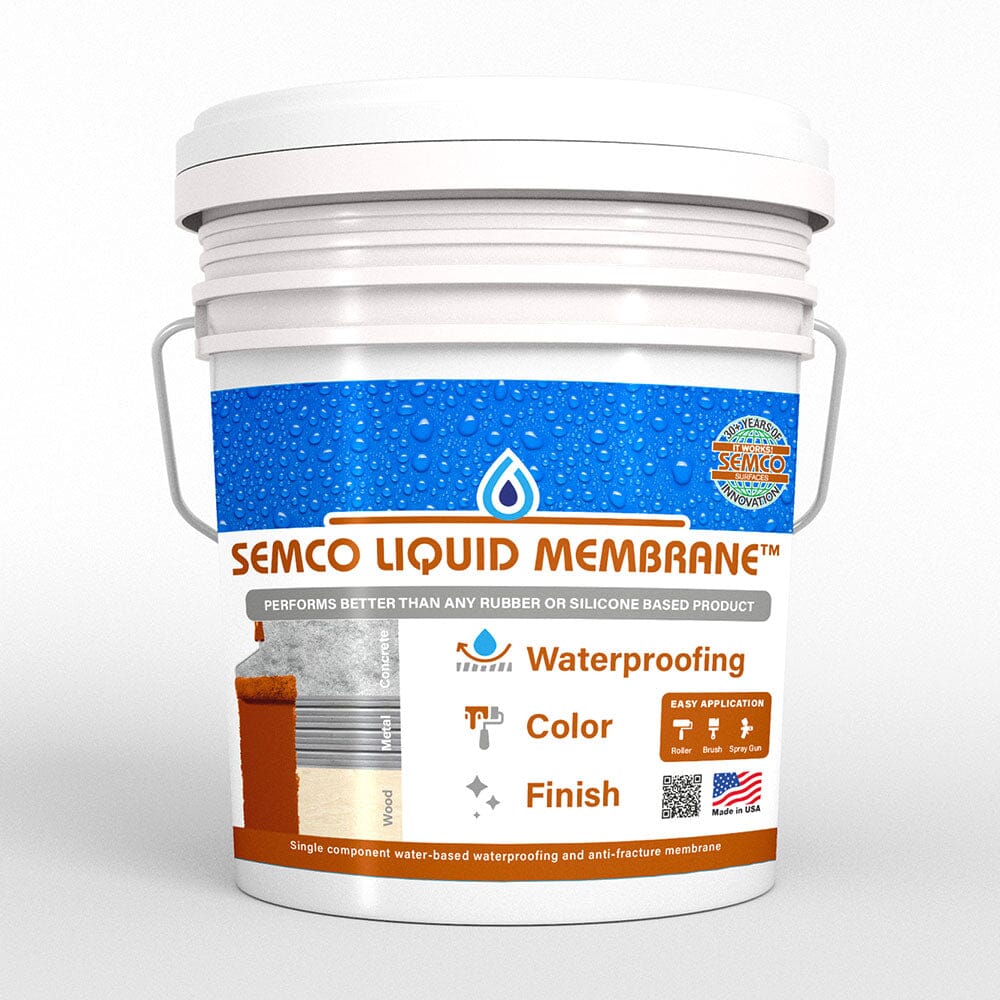
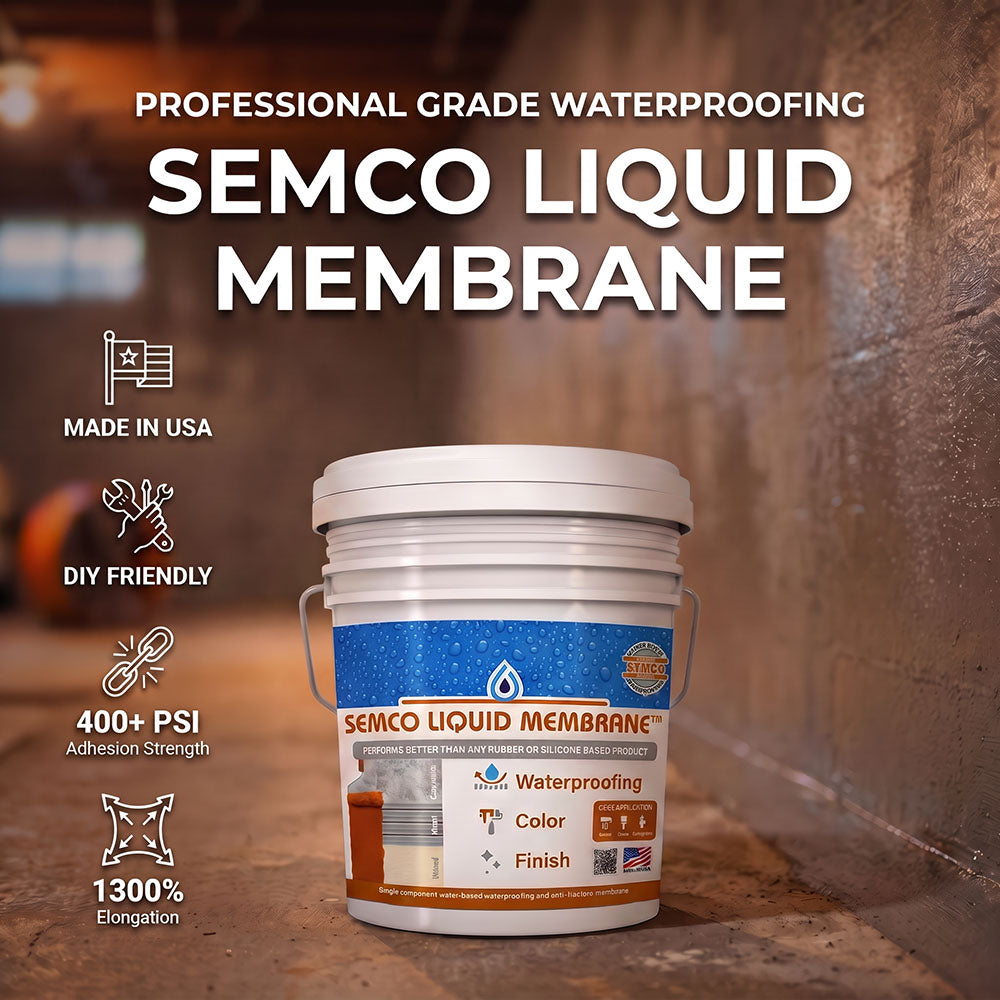
- SEMCO Liquid Membrane
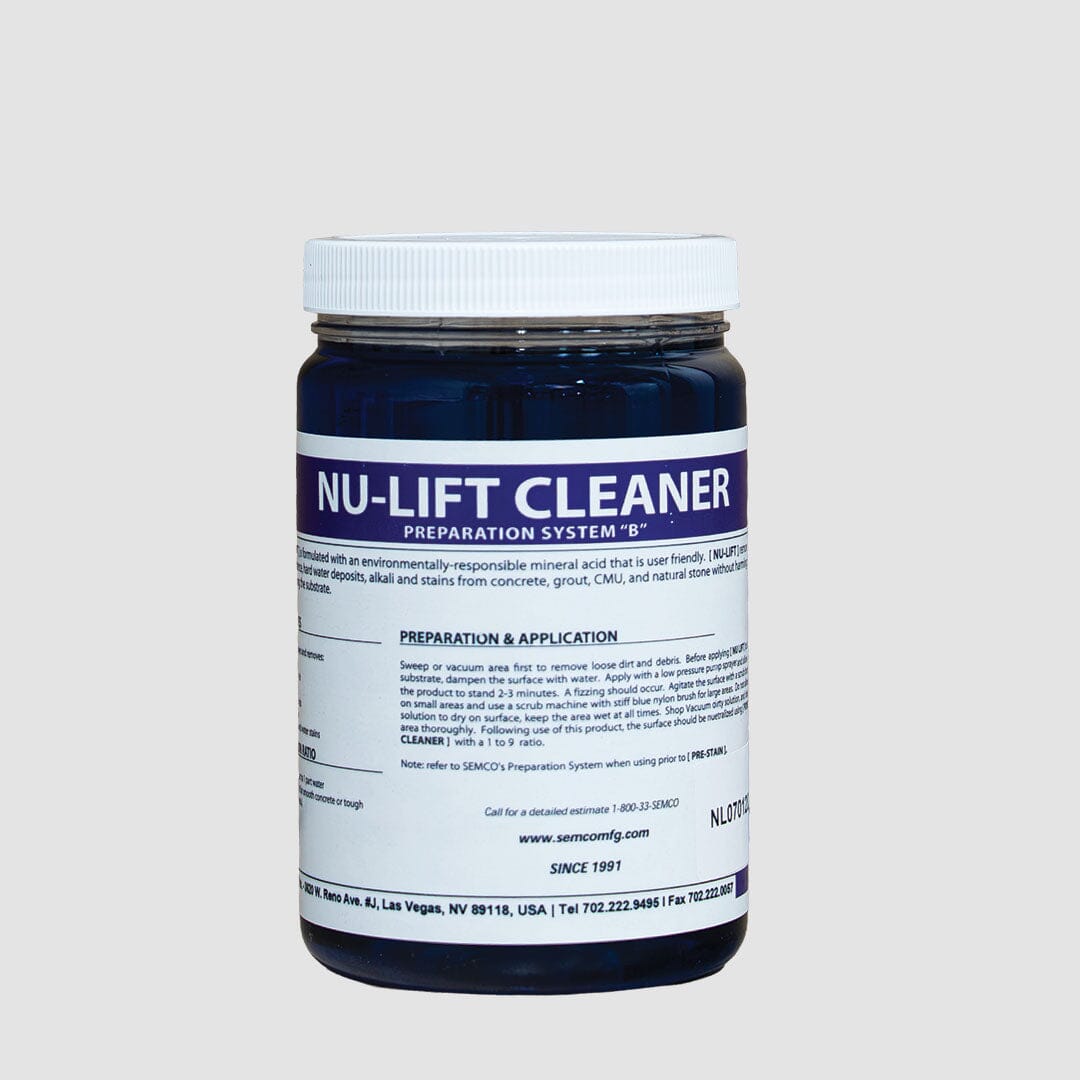
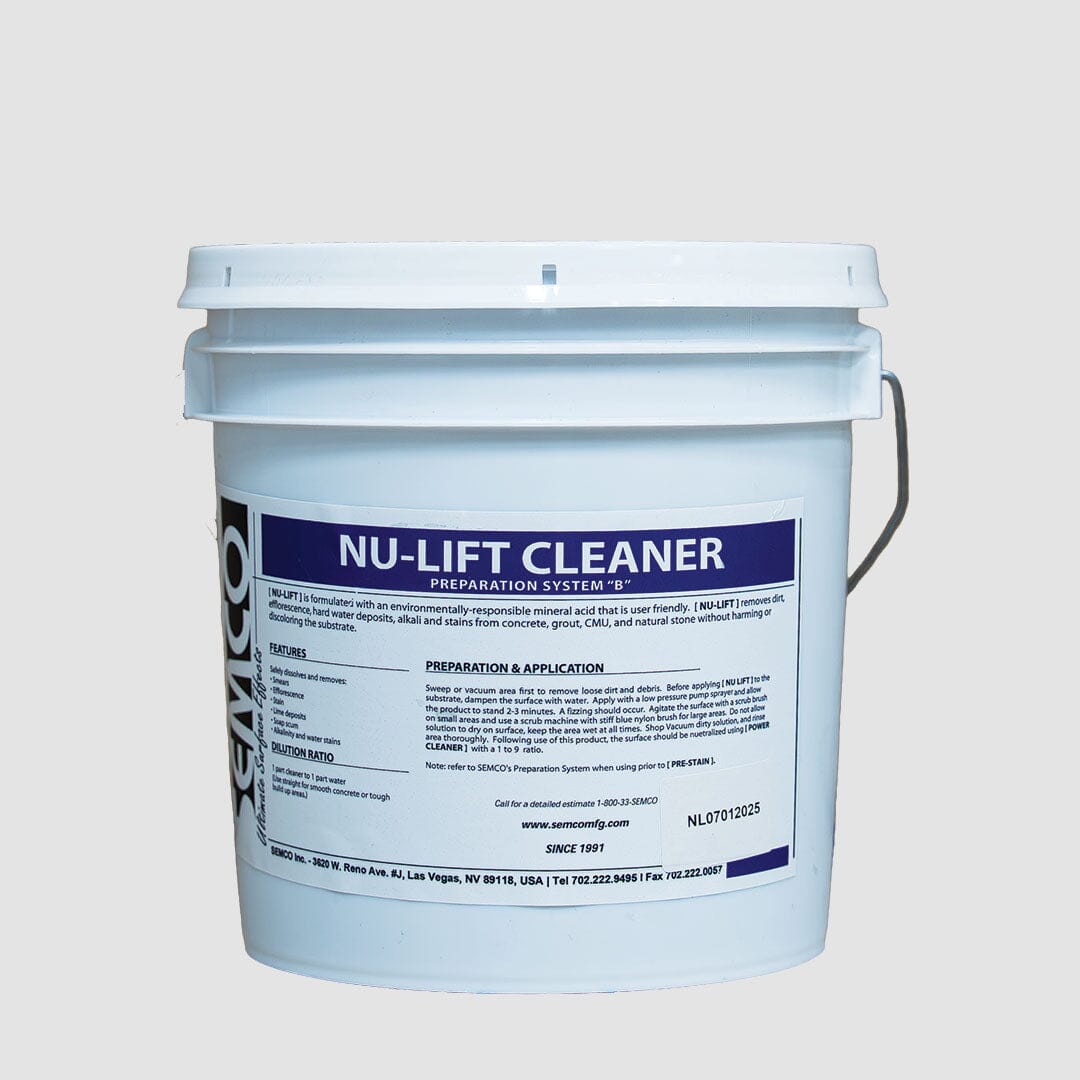
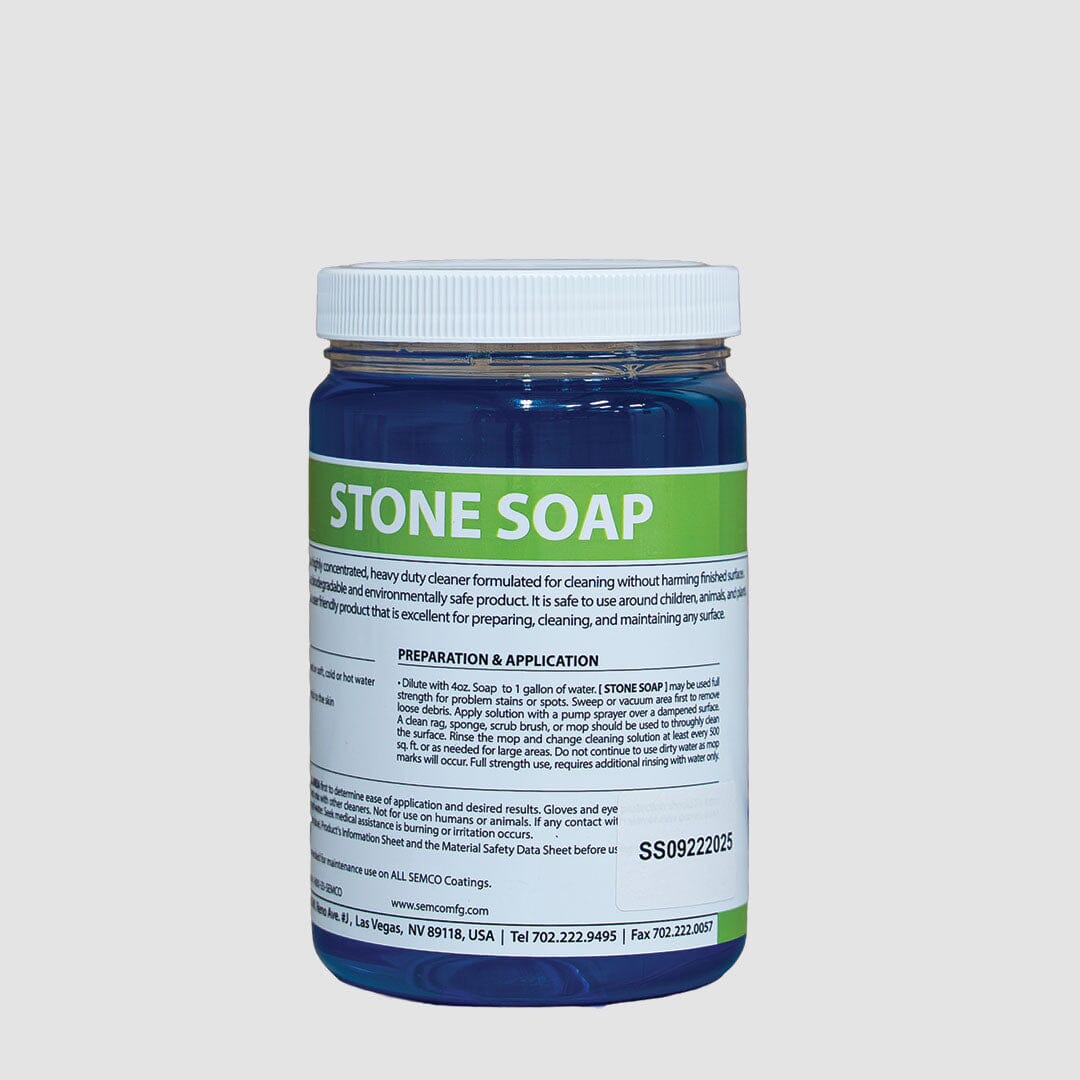
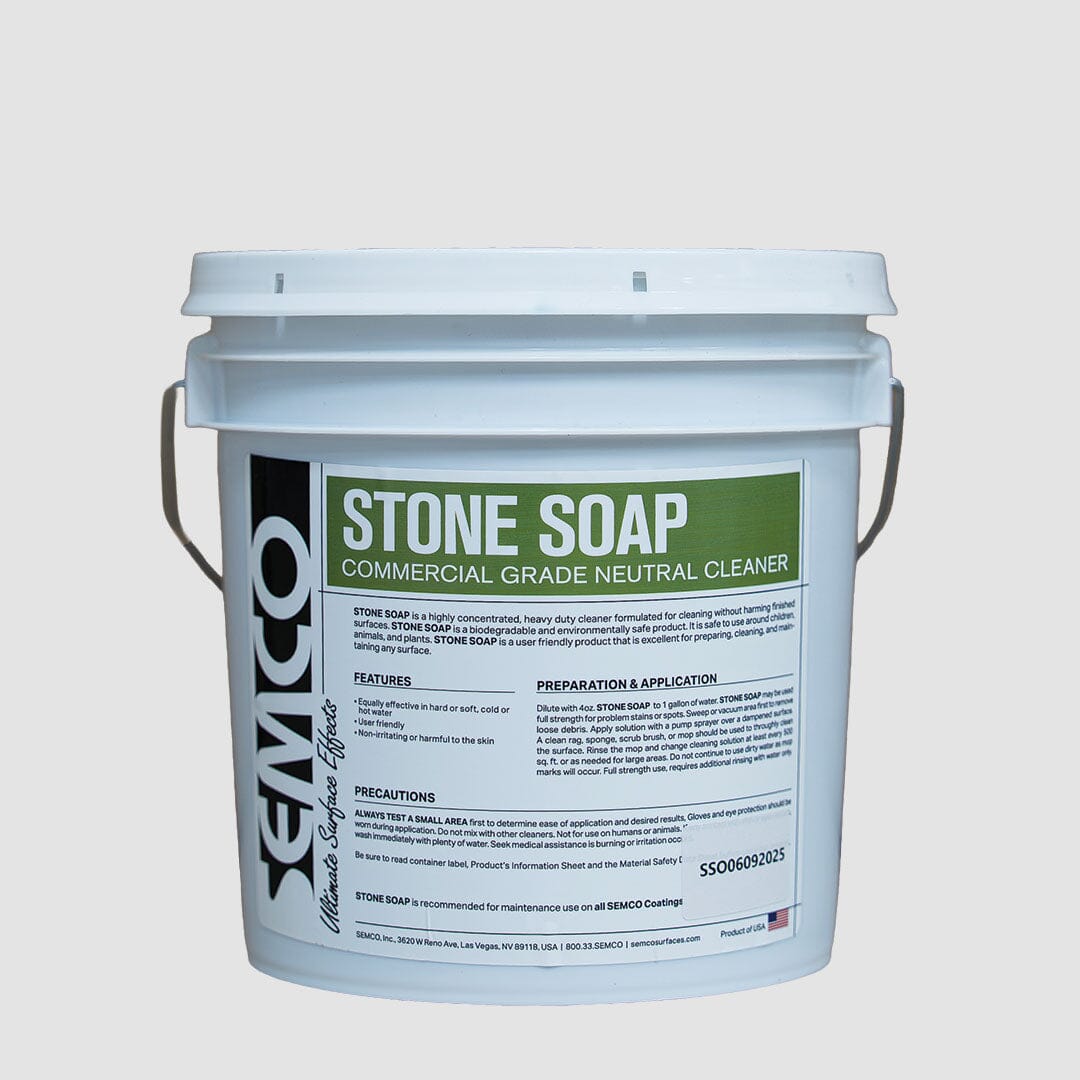
- Nu-Lift Cleaner or Stone Soap (surface prep)
- Fabric Reinforcement (for cracks and corners)
- 1/2" nap roller or airless sprayer (min. 2,500 PSI, tip size 21)
- Crack filler for structural cracks before coating
- Painter's tape for masking fittings, lights, and skimmers
Why do concrete pools need waterproofing?
Concrete and gunite are porous by nature, so water finds its way in over time even through plaster, and constant water exposure plus ground movement, freeze-thaw cycles, and chemical exposure eventually creates hairline cracks. Once water is behind the shell instead of just in the pool, you're looking at structural leaks, not just a cosmetic problem. A dedicated waterproofing membrane, applied before or as part of the finish coat, is what actually keeps water out of the shell rather than just decorating the surface.
Step 1: Prep the shell
Strip any old paint, plaster laitance, or mineral deposits first, since a membrane applied over failing material will fail with it. For bare concrete or gunite, use Nu-Lift Cleaner and Stone Soap to remove efflorescence and mineral buildup so the membrane can actually bond. Confirm the surface isn't holding excess moisture before coating, applying over a damp substrate is one of the most common reasons a pool coating stays tacky and never fully cures.
Step 2: Repair cracks and reinforce joints
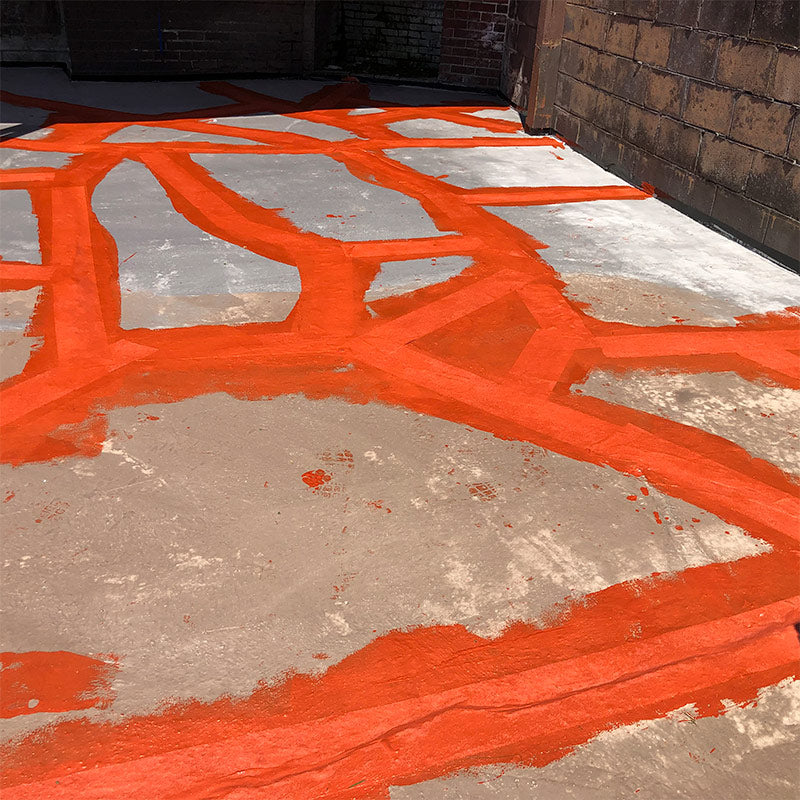
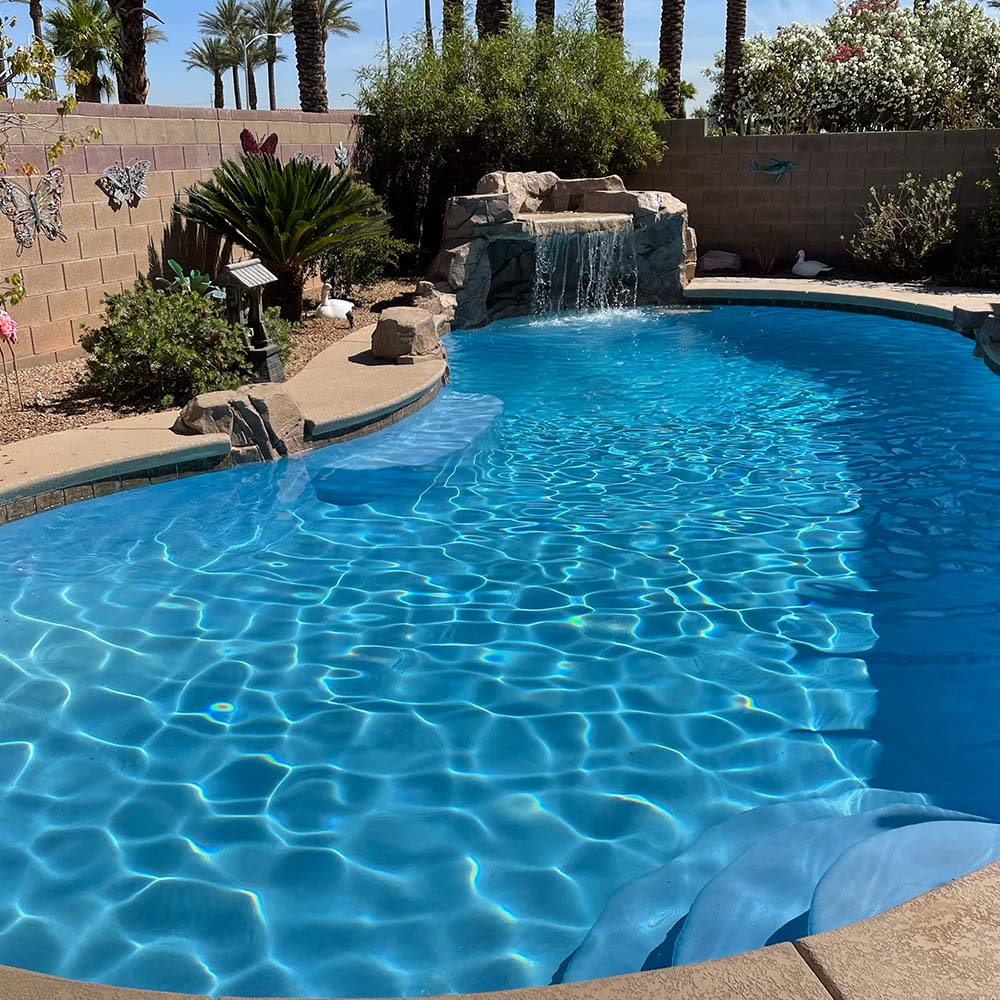
Fill structural cracks before you coat anything. Cracks wider than 1/4 inch need Fabric Reinforcement embedded into a wet coat of Liquid Membrane to bridge the gap without tearing as the shell moves; smaller cracks can be coated directly. Pay extra attention to corners, benches, steps, and anywhere a vertical surface meets a horizontal one, plus the joints around skimmers, lights, and return fittings. These transition points are where most real-world pool leaks start, not the flat, easy-to-coat areas.

Single-component, water-based liquid membrane, non-toxic once cured, safe for pools.
Step 3: Apply the membrane
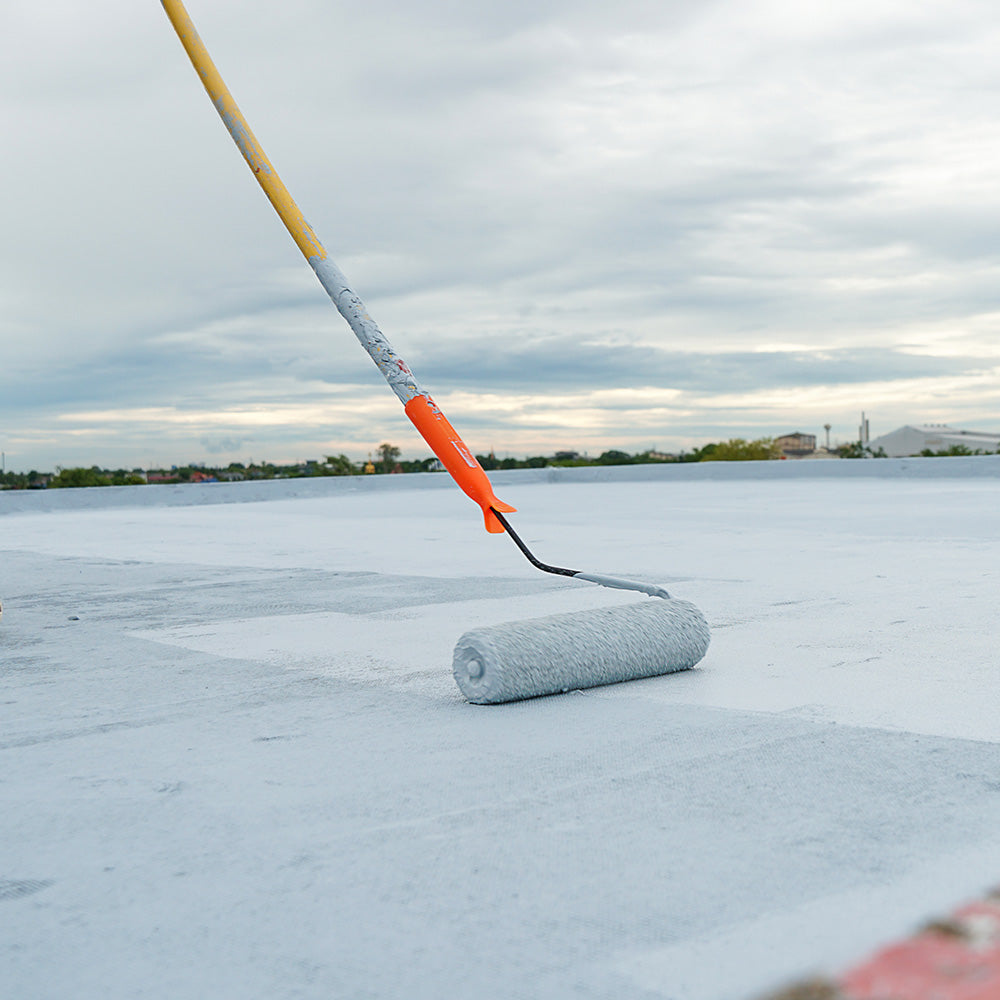
Pool shells are a fully submerged application, so they need more coverage than a typical wall or floor. Apply with a 1/2" nap roller or an airless sprayer, working in thin, even coats and alternating direction on each pass so you don't miss spots. Submerged applications generally need a minimum of three coats at roughly 20 mils each, coating the entire surface up to and above the waterline. Let each coat dry to the touch before applying the next.

Step 4: Cure fully before filling
This is the step people rush, and it's the one that causes the most callbacks. Submerged applications typically need a minimum cure of 6-7 days depending on temperature, humidity, and airflow, longer in cold weather. If you're coating over pool plaster specifically, expect an even longer cure, plaster holds more moisture and needs extra time to breathe out before the membrane can fully harden. A slight color shift when the surface first contacts water before it's fully cured is cosmetic, not a sign of failure, but don't fill the pool until the surface is hard and no longer tacky anywhere.
Step 5: Water-test before you trust it
Once cured, fill the pool and monitor the water level for a few days before you consider the job done. This is standard practice in the pool trade for a reason: it catches a missed spot or a fitting that needs more attention while it's still an easy fix, not after the deck and landscaping around the pool are already wet.
Common mistakes that cause pool coatings to fail
- Skipping crack prep. Coating directly over an unaddressed structural crack just relocates the leak, it doesn't fix it.
- Rushing the cure. Filling the pool before the membrane is fully hard is one of the most common causes of early coating failure.
- Coating over an old failing finish. Paint, plaster laitance, or a peeling prior coating all need to come off first, a new membrane can't fix what's underneath it.
- Under-coating at transitions. Corners, steps, benches, and fitting joints need the same attention as flat surfaces, they're where most leaks actually start.
Frequently asked questions
How many coats does a concrete pool need?
Submerged pool applications generally need a minimum of three coats at roughly 20 mils each, more than the two coats typical for non-submerged surfaces like walls or decks.
Is a liquid membrane safe for pools?
A fully cured, water-based, VOC-free membrane can be safe for pools, fish, and saltwater, since it's non-toxic once it's finished curing. Always confirm this against the specific product's spec sheet before use.
Can I waterproof a pool over old paint or plaster?
Not directly if that finish is failing. Peeling paint or crumbling plaster laitance needs to come off first, coating over a failing surface just means the new membrane fails when the old layer underneath it does.
What's the best time of year to waterproof a pool?
Off-season, when the pool isn't in use, gives the coating time to fully cure without any pressure to reopen early. See Winterizing Your Concrete Pool for why the off-season specifically works well for this project.
What's the difference between a liquid membrane and pool paint?
Pool paint is generally a thinner coating meant mainly for color and light surface protection. A true liquid waterproofing membrane is a much thicker, highly elastic film built specifically to bridge cracks and hold up under constant submersion. See our full guide to liquid waterproofing membranes for more on how they work.
Ready to waterproof your pool?
SEMCO Liquid Membrane is a single-component, water-based membrane built to handle full submersion once cured.
Shop SEMCO Liquid Membrane →Free shipping on orders over $99 (48 contiguous states).