
You can color and seal a garage floor in a weekend without acid etching or a glossy topcoat that gets slick when wet. The process is simple: clean and prep the bare concrete, apply a water-based color stain in two thin coats, let it cure, then lock it in with a penetrating sealer instead of a film-forming one. The stain gives you the color, the penetrating sealer protects it from tires, salt, and moisture without adding a slippery sheen or risking the peeling that plagues glossy topcoat sealers under hot tires.
In this article
- What you'll need
- Why a water-based stain instead of acid
- Step 1: Prep the concrete
- Step 2: Apply the color stain
- Step 3: Let it cure before sealing
- Step 4: Seal it, without going glossy
- Why does stained concrete peel?
- Coverage and cost
- FAQ
What you'll need
- SEMCO PreStain Color, in your chosen shade
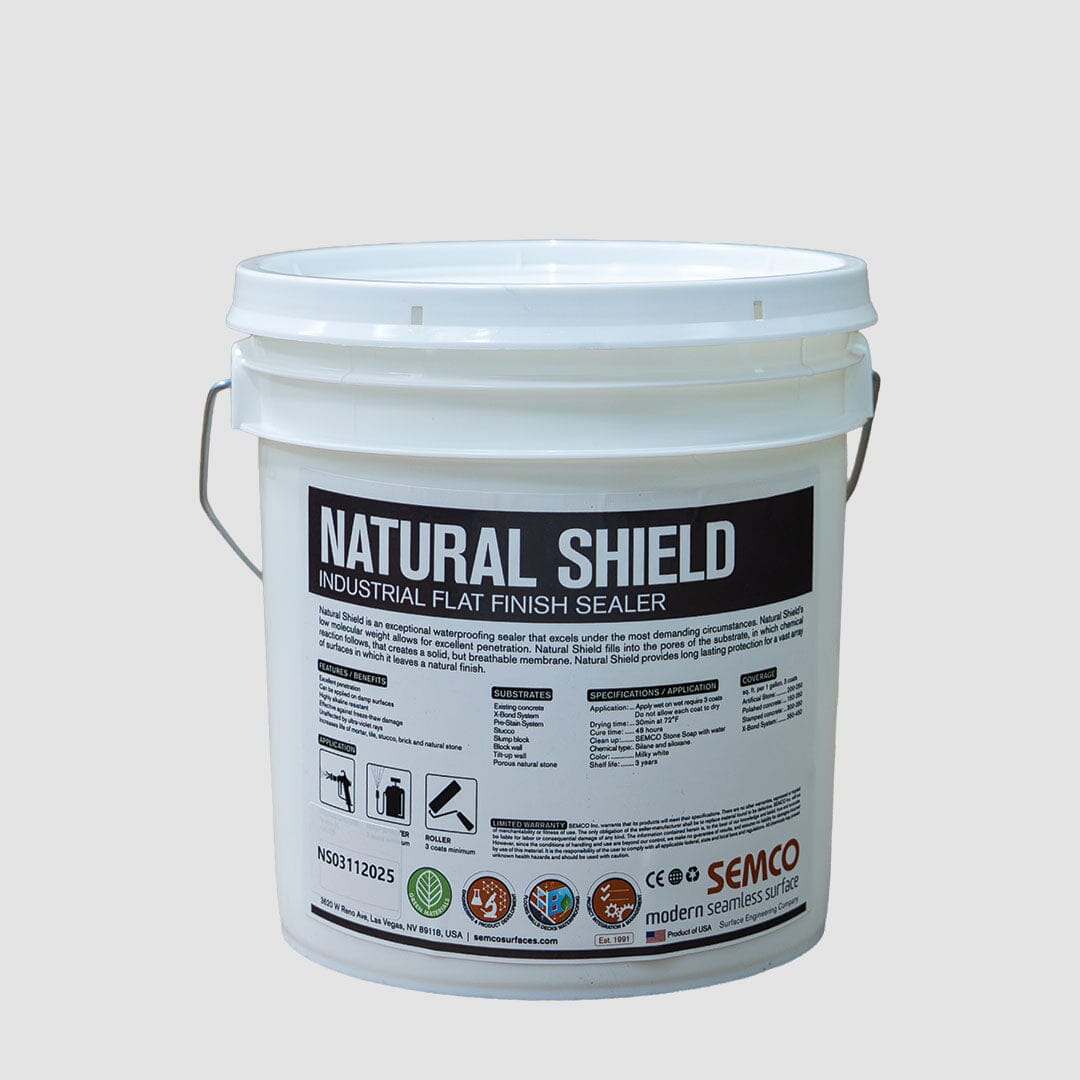
- SEMCO Natural Shield penetrating sealer
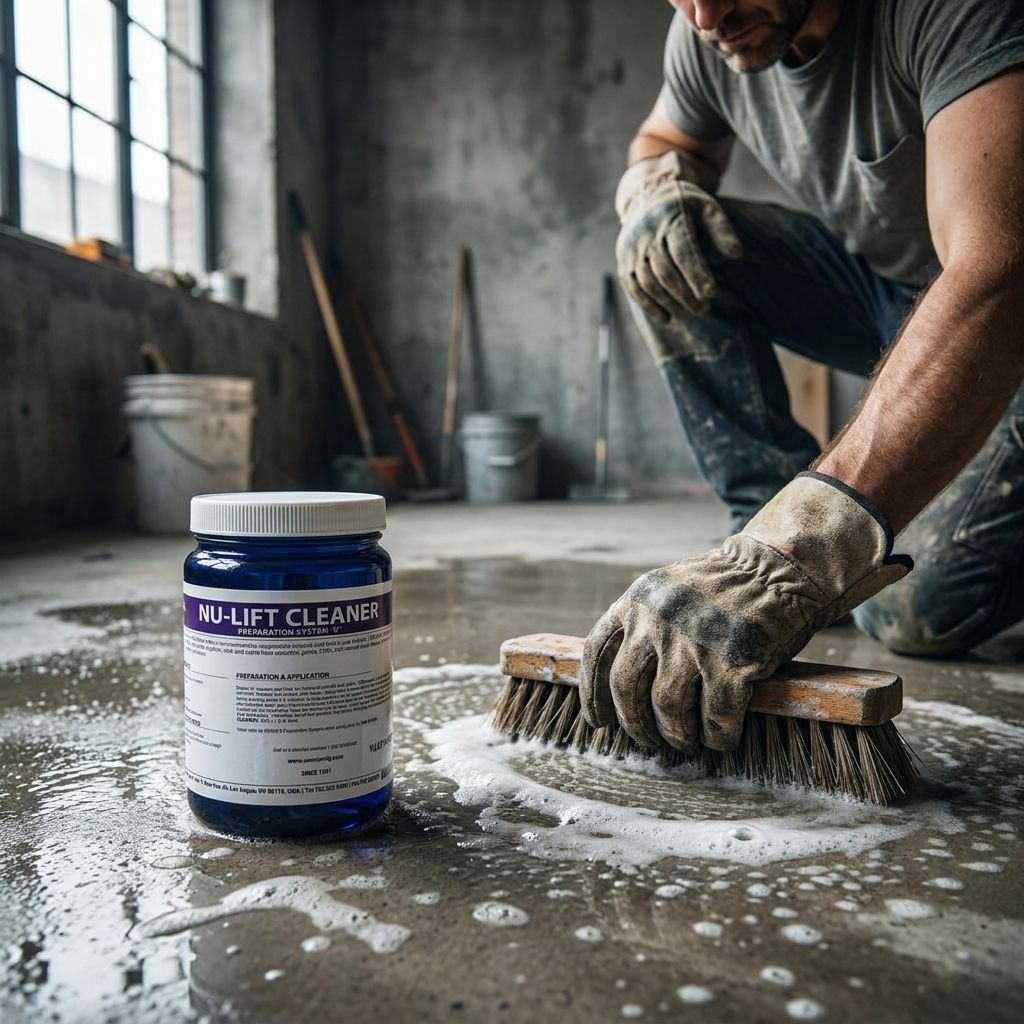
- Nu-Lift Cleaner and Stone Soap (surface prep, removes mineral deposits and efflorescence)
- 1/4" nap roller, or an airless/HVLP sprayer with a size 17 tip
- Painter's tape for masking
- Stiff-bristle broom or pressure washer for initial cleaning
Why use a water-based stain instead of acid stain?
Acid stains work by reacting chemically with the lime in concrete, and that reaction limits you to about eight earth-tone colors. It also means working with hydrochloric acid in an enclosed garage, then neutralizing and rinsing it before you can move on. SEMCO PreStain is a water-based concrete and masonry stain instead. It's applied the same way a paint or dye stain would be, comes in 15 colors from Sandy Beach to Black Pearl, and there's no acid to mix, neutralize, or dispose of. It's also formulated to help solidify a crumbling or dusting concrete surface as it colors it, which acid stain does not do.

Step 1: Prep the concrete
Clear the garage, sweep thoroughly, and degrease any oil or tire marks. On bare concrete or gunnite, use Nu-Lift Cleaner and Stone Soap to strip mineral deposits and efflorescence so the stain can actually bond instead of sitting on a film of residue. Skip an acid wash here, it can interfere with adhesion. Check that the slab isn't holding excess moisture (rest moisture should stay under 3%) and don't apply over a wet or damp surface, or the stain won't cure correctly and will stay tacky.
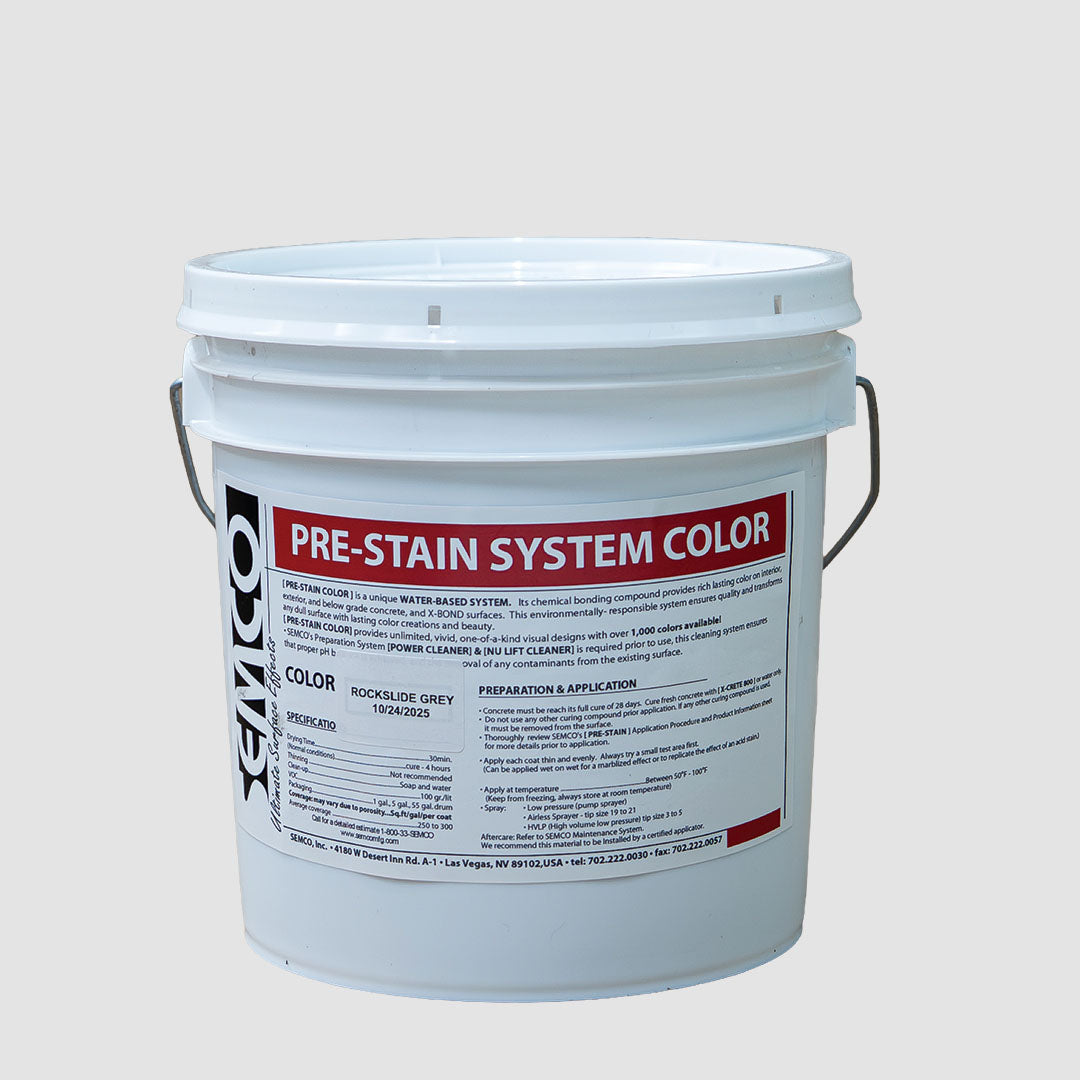
Water-based concrete and masonry stain, 15 colors, no acid required.
Step 2: Apply the color stain
Stir PreStain well before you start, the pigment settles and an unstirred can will apply unevenly. Mask off anything not getting coated. Apply a thin, even coat with a roller or an airless sprayer, working in manageable sections and keeping a wet edge so you don't get lap marks. Avoid applying in direct afternoon sun or when the slab is over 85F, the coat can dry too fast to bond properly. Let the first coat dry to the touch, then apply a second thin coat in the opposite direction for even, consistent color. A quart covers roughly 50 to 75 sq ft at two coats, a gallon covers roughly 200 to 300 sq ft.

Step 3: Let it cure before sealing
Don't rush the sealer on. Let the stain cure fully, cure time depends on temperature, humidity, and airflow, but plan on the surface being fully dry to the touch with no tackiness before you move to sealing. Sealing over a stain that hasn't finished curing is one of the more common reasons DIY concrete color jobs go wrong.
Step 4: Seal it, without going glossy
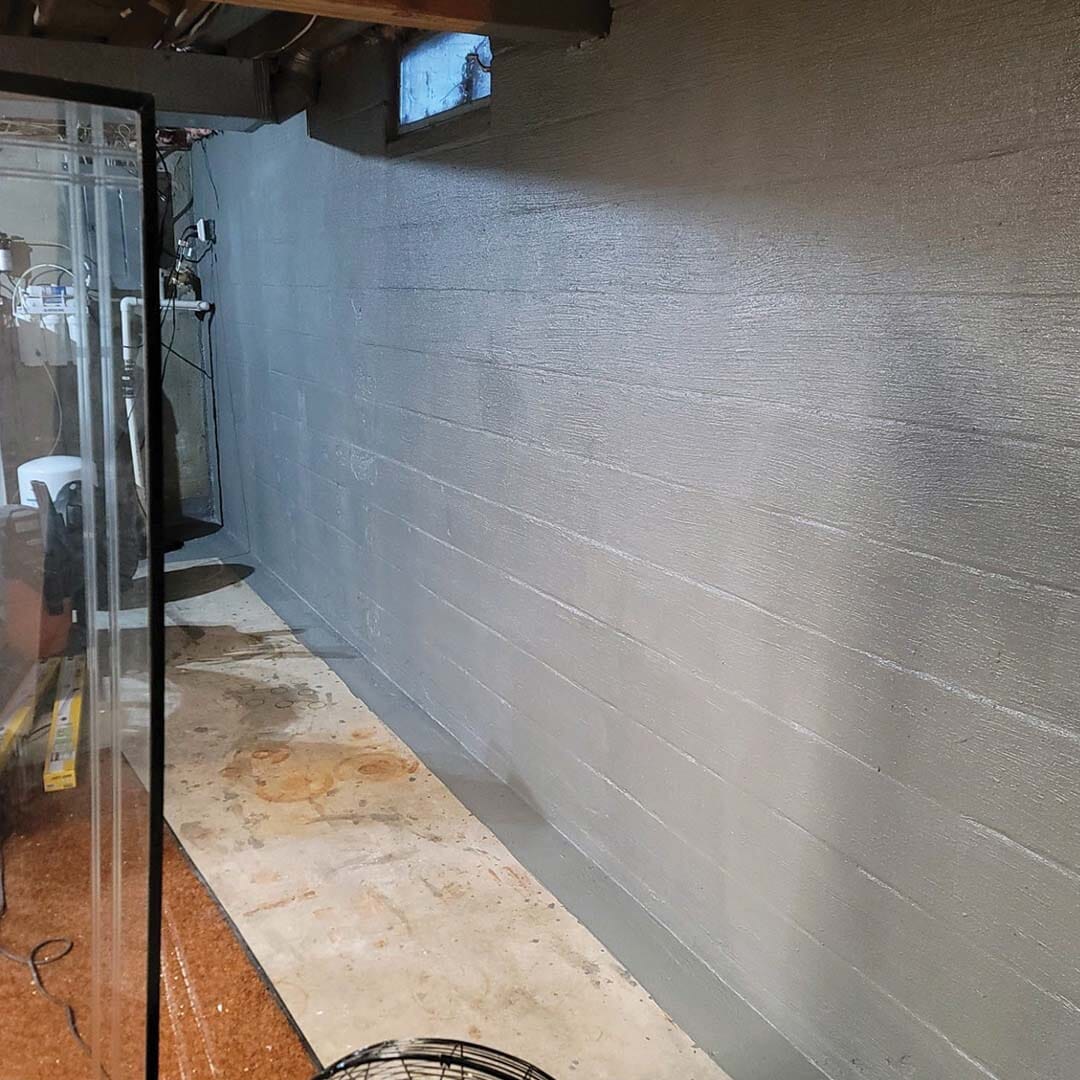
A garage floor takes tire traffic, dropped tools, and road salt, so the sealer matters as much as the stain. SEMCO Natural Shield is a penetrating sealer rather than a film-forming topcoat. Instead of sitting on top of the concrete as a glossy layer, it soaks into the pores and reacts to form a solid but breathable seal underneath the surface. That matters for two reasons: it doesn't add sheen or slickness (SEMCOworks confirms it does not change the look or feel of the surface), so you're not adding a slip hazard to a floor you'll be walking on in wet shoes and driving on, and there's no film sitting on top for tires to lift or scuff.
Apply Natural Shield with a 1/4" nap roller, HVLP sprayer, pump sprayer, or airless sprayer with a size 17 tip. It needs a minimum of three coats, applied wet-on-wet (don't let the first coat dry before the second and third go on). It's UV resistant, resists alkali, and is formulated to reduce water absorption that causes freeze-thaw cracking, pitting, and spalling, all common reasons garage slabs deteriorate in climates that see winter.

Water-based penetrating sealer, non-glossy finish, protects without a slick film.

Why does stained concrete peel?
When a stained garage floor peels, it's almost never the stain itself, it's usually one of two things. Either the product used wasn't a true stain but a tinted acrylic coating marketed as one (a thin, low-solids paint with color mixed in, which behaves like paint and can lift), or the topcoat was a film-forming glossy sealer that lost adhesion under hot tires, a well-documented failure mode for garage and driveway coatings known as hot tire pickup.[1] A true water-based stain like PreStain, sealed with a penetrating sealer that has no film to lift in the first place, avoids both failure points.
Coverage and cost
| Product | Size | Coverage | Price |
|---|---|---|---|
| PreStain Color | 1 Quart | 50-75 sq ft (2 coats) | $61.90 |
| PreStain Color | 1 Gallon | 200-300 sq ft (2 coats) | $123.75 |
| Natural Shield | 1 Quart | Up to 30 sq ft | $47.60 |
| Natural Shield | 1 Gallon | Up to 350 sq ft | $116.65 |
Natural Shield needs a minimum of 3 coats, so plan quantity accordingly (coverage above is per coat area, not per project total). Check current pricing and sizes on the product pages before ordering.
Frequently asked questions
Can I stain a garage floor without acid?
Yes. A water-based stain like PreStain colors concrete without a chemical reaction, so there's no acid to mix, neutralize, or rinse, and no fumes to manage in an enclosed garage.
Is a sealed, stained garage floor slippery?
Not with a penetrating sealer. Because Natural Shield soaks into the concrete instead of forming a glossy film on top, it doesn't change the surface texture or add sheen, so traction stays close to what bare, prepped concrete already offers.
How many coats of sealer does a garage floor need?
Natural Shield needs a minimum of three coats, applied wet-on-wet without letting earlier coats dry first. More porous concrete may need additional coats.
How long before I can park in the garage again?
Let both the stain and the sealer cure fully before driving on the floor. Cure time varies with temperature, humidity, and airflow, so check current guidance on each product page and don't rush it, driving on an undercured surface is a common cause of tire marks and premature wear.
Do I need to remove an old coating first?
If the floor already has a peeling paint, epoxy, or tinted acrylic coating, that needs to come off (grinding or chemical stripping) before staining. PreStain and Natural Shield are made for bare, properly prepped concrete, not for going over a failing coating.
Ready to color and seal your garage floor?
Pick a PreStain color, pair it with Natural Shield, and get a floor that looks finished without going slick.
Shop PreStain Colors →Free shipping on orders over $99 (48 contiguous states).