
For property owners, facility managers, and roofing contractors, aging flat roofs present a recurring and expensive challenge. Historically, traditional rolled roofing and asphalt solutions have been the industry standard. However, when these materials inevitably degrade, the default reaction has often been costly, disruptive tear-offs.
Today, the paradigm has shifted. Industry experts recognize that complete demolition is rarely the most efficient or sustainable choice. The modern solution lies in liquid waterproofing on old bitumen substrates. By employing advanced elastomeric coatings, you can achieve a seamless, monolithic seal that extends the lifespan of the roof by decades—all without the need for demolition.
Here is a comprehensive look at the strategies for renovating aging bitumen roofs, with a spotlight on how SEMCO Liquid Membrane is revolutionizing the waterproofing industry.
The Dilemma: Aging Bitumen and the Cost of Demolition
Bitumen (often referred to as roofing felt or asphalt roll roofing) is highly susceptible to environmental wear. Over years of exposure, UV radiation, thermal shock (the constant expansion and contraction from temperature changes), and standing water take their toll.
Common signs of bitumen failure include:
-
Embrittlement and Cracking: Loss of plasticizers makes the material rigid and prone to splitting.
-
Blistering: Trapped moisture expands under the membrane, causing surface bubbles.
-
Seam Separation: The weakest points of rolled roofing begin to lift, allowing water ingress.
Why Avoid Demolition?
Traditionally, the solution was a full "strip and resheet"—tearing off the old bitumen down to the deck and starting over. This approach is fraught with downsides:
-
Exorbitant Costs: Labor and disposal fees for heavy, hazardous roofing materials are incredibly high.
-
Operational Disruption: Tear-offs expose the building interior to the elements and noise, disrupting daily operations.
-
Environmental Impact: Sending tons of old asphalt and insulation to landfills is an ecological nightmare.
The Superior Strategy: Renovation via Liquid Waterproofing
The modern, expert-recommended strategy is roof overlay or encapsulation. By applying a high-performance liquid waterproofing system directly over the prepared bitumen substrate, you create a brand-new, seamless membrane.
Key Advantages of Liquid Waterproofing Over Bitumen
-
Seamless and Monolithic: Liquid systems cure to form a continuous, seamless barrier, eliminating the weak points (joints and seams) where traditional roofs fail.
-
Cold-Applied Safety: Unlike traditional torch-on felt, liquid membranes are cold-applied, eliminating the severe fire risks associated with hot-works on older buildings.
-
Cost-Effective: By avoiding demolition and disposal, project costs and timelines are drastically reduced.
Spotlight: SEMCO Liquid Membrane for Bitumen Restoration
When selecting a liquid waterproofing product for an old bitumen substrate, adhesion, flexibility, and longevity are non-negotiable. This is where SEMCO Liquid Membrane excels.
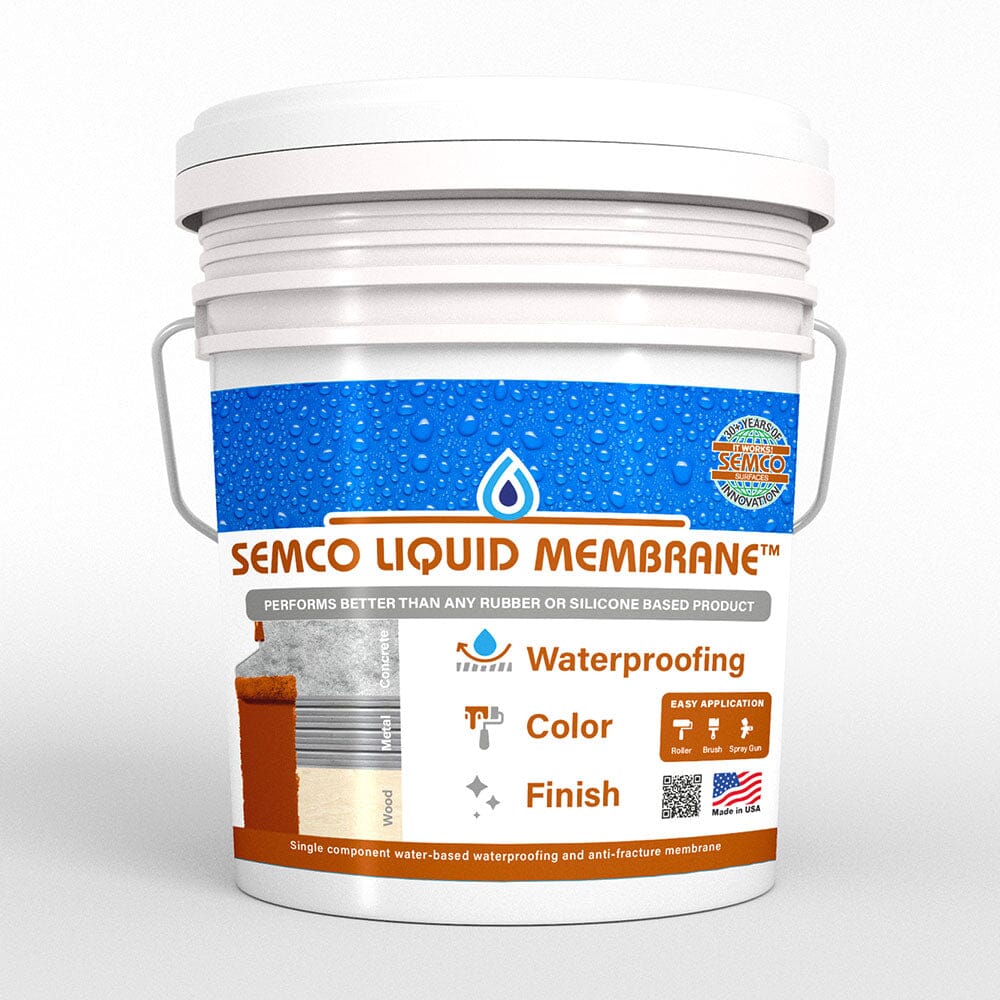
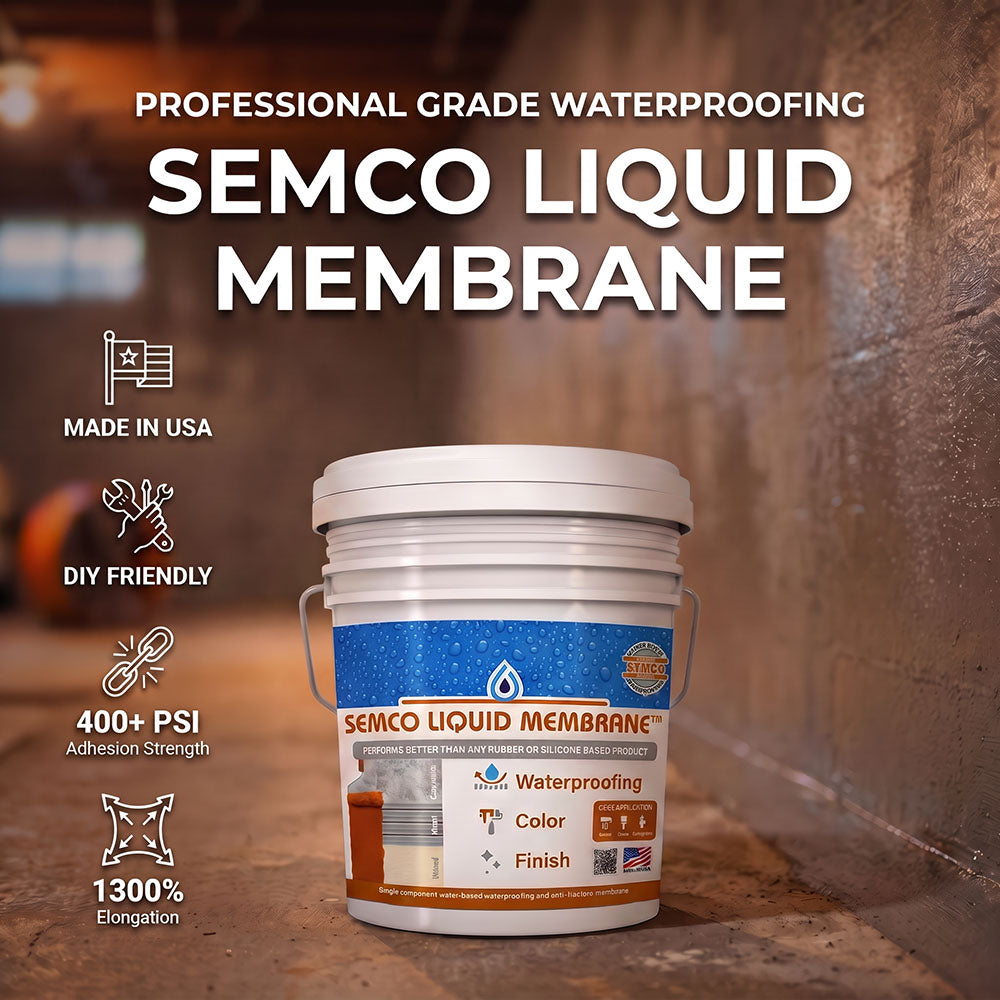
Engineered as a ready-to-use, elastomeric waterproofing and crack-bridging hybrid, SEMCO Liquid Membrane offers unparalleled performance for roof restoration projects.
How SEMCO Benefits Your Renovation Strategy:
-
Exceptional Adhesion: SEMCO Liquid Membrane is formulated to aggressively bond to a wide variety of substrates, including aged and weathered bitumen. This ensures a permanent, unyielding grip that prevents wind uplift and water tracking.
-
High Elasticity for Thermal Shock: Old roofs move. As the building shifts and temperatures fluctuate, SEMCO’s high elastomeric properties allow it to stretch and recover without tearing or cracking.
-
Superior Crack Bridging: As existing bitumen shrinks and cracks, the SEMCO membrane stretches to bridge these gaps, ensuring the waterproofing envelope remains uncompromised.
-
User-Friendly Application: It can be applied via roller, brush, or airless sprayer. Its easy application reduces labor time and minimizes the margin for human error during installation.
-
Eco-Friendly Profile: Water-based and low-VOC, SEMCO aligns perfectly with sustainable building practices, making it safe for installers and the environment.
- Energy-Slashing SRI Value: SEMCO Liquid Membrane (in white) achieves a Solar Reflectance Index (SRI) of over 60. This transforms your aging, heat-absorbing black bitumen roof into a "cool roof," actively reflecting harmful UV rays, drastically lowering surface temperatures, and reducing building cooling costs.
Step-by-Step Strategy: Renovating Without Demolition
To achieve a flawless, long-lasting finish with SEMCO Liquid Membrane over old bitumen, meticulous execution is required. Here is the expert methodology:
1. Comprehensive Surface Preparation
The success of any liquid applied membrane relies entirely on the prep work.
-
Cleaning: The old bitumen must be thoroughly power-washed to remove dirt, debris, moss, and loose mineral granules.
-
Drying: The substrate must be allowed to dry completely. Moisture trapped under a new membrane will cause blistering.
2. Defect Remediation
You cannot coat over structural failures.
-
Blisters: Cut open blisters in the old felt in a star pattern, dry the substrate underneath, and adhere the flaps back down.
-
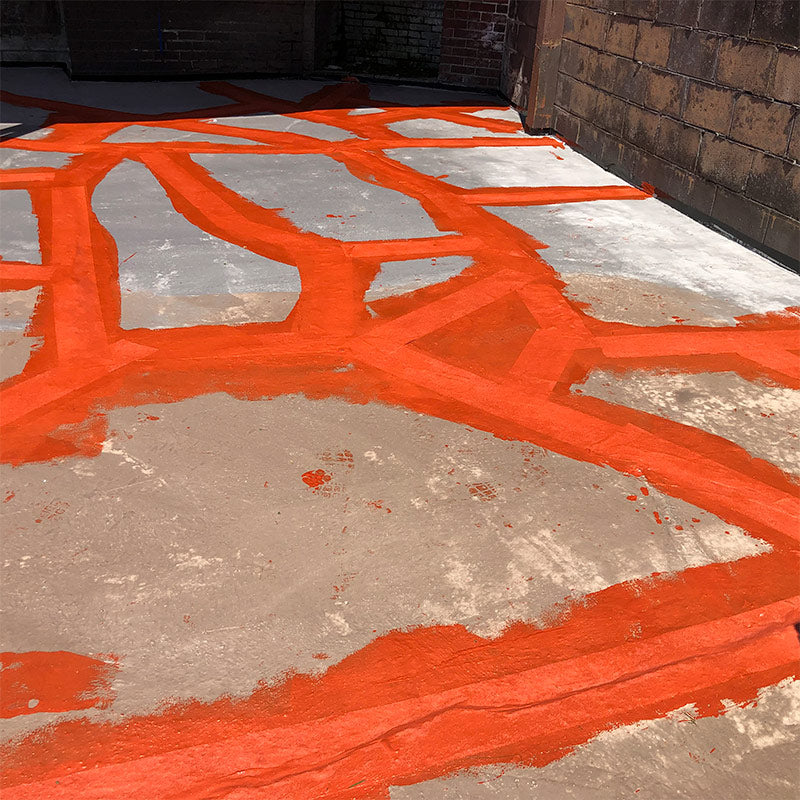
Cracks and Joints: Treat larger cracks, splits, and failing seams with a reinforcing fabric embedded in a base coat of SEMCO Liquid Membrane.
3. Detailing
Address the complex areas first. Apply the liquid membrane to upstands, pipe penetrations, HVAC units, drains, and edge trims. Because SEMCO is liquid, it molds perfectly to complex geometries that rolled roofing cannot easily accommodate.
Conclusion
Renovating old bitumen roofs no longer requires the costly, disruptive, and environmentally damaging process of demolition. By utilizing advanced liquid waterproofing techniques, property managers and contractors can breathe new life into failing roofs.
With SEMCO Liquid Membrane, you are not just applying a temporary patch; you are engineering a permanent, seamless, and flexible barrier. It is the ultimate strategy for protecting your asset, optimizing your budget, and securing a watertight future for your building.