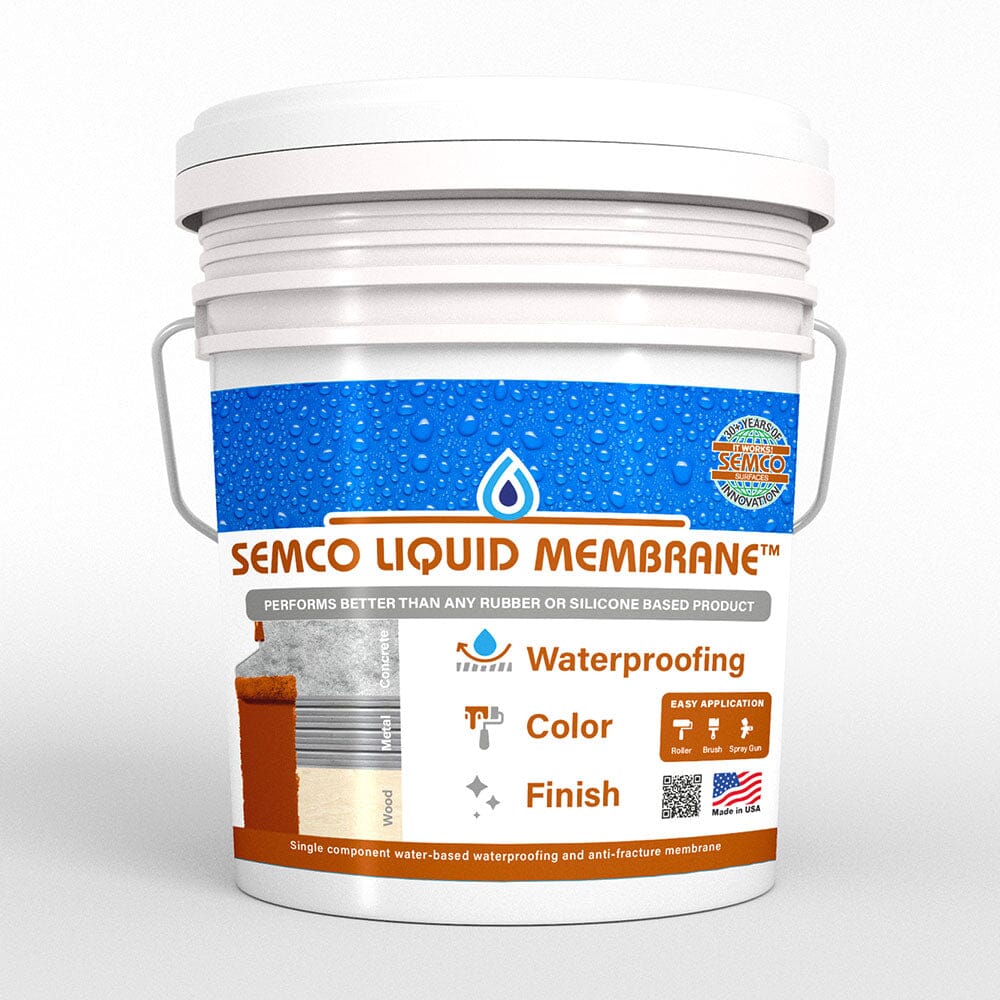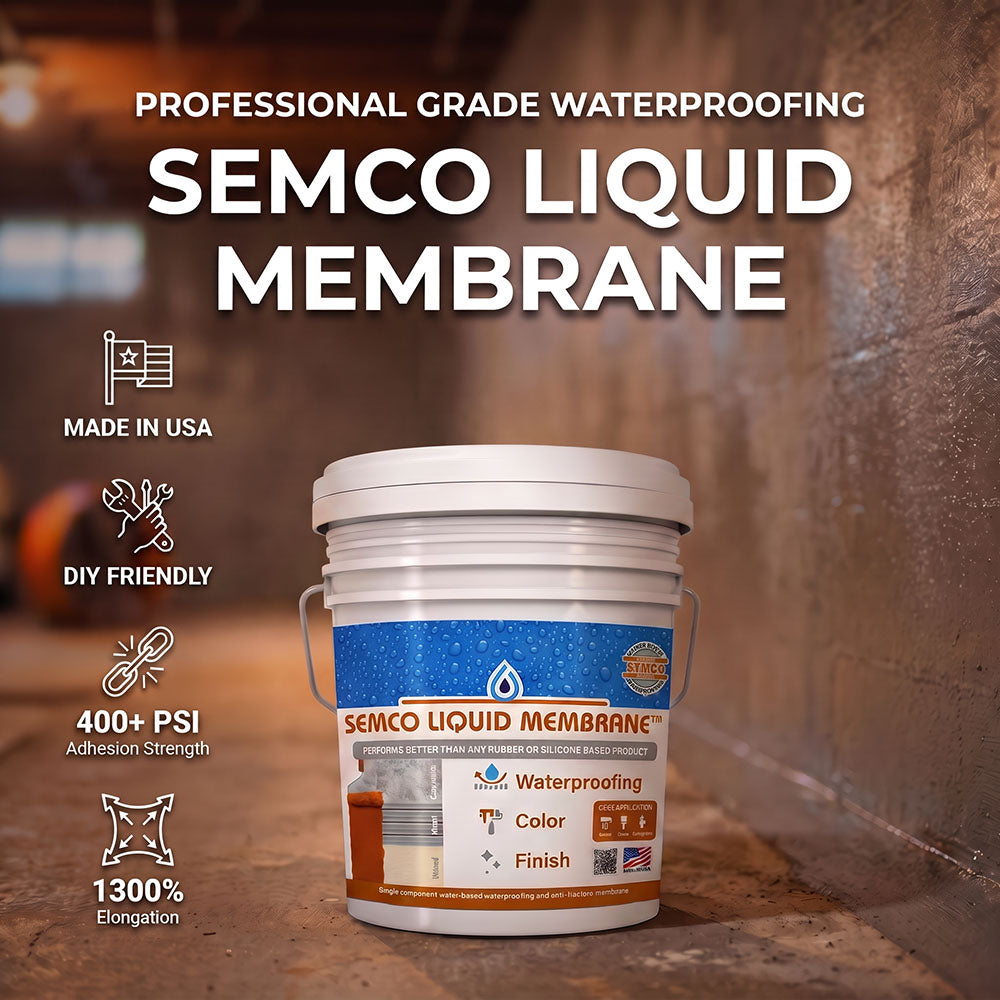

Optimizing building thermodynamics requires treating the roof as an active thermal barrier, not just a passive waterproofing layer. The application of a high-performance, white liquid membrane—specifically SEMCO Liquid Membrane— fundamentally alters the energy profile of a structure. By converting the roof from a heat sink into a reflective surface, facility managers and homeowners can achieve measurable HVAC load reduction, extend substrate longevity, and lower lifecycle costs.
The following analysis details the thermodynamic mechanisms—specifically Solar Reflectance Index (SRI) and thermal emissivity—that validate this approach.
Key Takeaways
- The Core Claim: White liquid membranes reduce roof surface temperatures by 50°F–80°F compared to dark roofs, directly lowering cooling energy demand.
- The Metric: Solar Reflectance Index (SRI) is the critical value; SEMCO Liquid Membrane achieves an SRI > 100, outperforming standard concrete or aluminum coatings.
- Thermodynamics: Effective cooling requires both high reflectance (bouncing sun away) and high thermal emissivity (releasing absorbed heat).
- Environmental Impact: High-SRI roofs mitigate the Urban Heat Island Effect and align with Energy Starstandards.
The Problem: The Roof as a Thermal Radiator
To understand the value of the SEMCO Liquid Membrane, one must first quantify the inefficiency of traditional materials. Dark roofing substrates—such as asphalt, EPDM, and modified bitumen—act as thermal radiators. They absorb up to 90% of solar radiation, converting visible light and UV rays into sensible heat.
On a clear summer day, a black roof can reach temperatures exceeding 150°F (65°C). This heat conducts through the roofing assembly and radiates into the interior plenum. This thermal transfer forces HVAC systems to work harder to maintain interior setpoints, leading to higher peak demand charges and accelerated equipment wear.
The Solution: Measuring Surface Thermodynamics
The efficacy of a cool roof is determined by two specific physical properties. A coating must excel in both to be effective.
1. Solar Reflectance (Albedo)
Solar reflectance is the fraction of solar energy (flux) reflected by the roof. A high-albedo surface reflects the majority of the solar spectrum, including infrared and ultraviolet wavelengths. Standard aluminum coatings, often used for "cool" effects, typically fail here; they may reflect visible light but absorb heat in the infrared spectrum.
2. Thermal Emissivity
Reflectance alone is insufficient. All materials absorb some heat. Thermal emissivity measures a material's ability to radiate absorbed heat back into the atmosphere rather than conducting it downward into the building.
A surface with high reflectance but low emissivity (like galvanized metal) will still heat up significantly. The most effective cool roof systems possess both high reflectance (>0.85) and high emissivity (>0.90).
The Combined Metric: SRI
The construction industry combines these two properties into the Solar Reflectance Index (SRI).
-
Standard Black Roof: SRI 0
-
Standard White Roof: SRI 100
-
SEMCO Liquid Membrane: SRI > 100
SEMCO’s Liquid Membrane is engineered to maintain this high SRI over time. Unlike acrylics which soften and collect dirt (ruining reflectivity), SEMCO resists dirt pickup, ensuring the thermal performance remains stable years after application.
Economic and Environmental Impact
Quantifiable HVAC Load Reduction
By lowering the roof surface temperature, you reduce the temperature gradient () between the exterior and interior. According to the Second Law of Thermodynamics, heat flow is directly proportional to this difference.
Reducing the roof temperature from 150°F to 100°F significantly lowers the thermal load. For commercial buildings with large roof-to-volume ratios (e.g., warehouses, data centers, retail), this translates to:
-
Energy Savings: Lowering peak cooling demand by 10–15%.
-
Asset Protection: Reducing the thermal shock (expansion and contraction) that causes roof seams to split and concrete to crack.
Mitigating the Urban Heat Island Effect
Dense urban environments create "islands" of trapped heat due to pavement and dark roofing. Widespread adoption of Energy Star rated reflective roofs lowers ambient air temperatures. This is a regulatory compliance issue in many jurisdictions (e.g., California Title 24) that mandate cool roofs to reduce city-wide energy strain.
Technical Superiority of SEMCO Liquid Membrane
While many "white paints" claim cool roof benefits, true surface protection requires a membrane capable of withstanding the harsh roof environment without failure.
UV Stability vs. Chalking
Many acrylic coatings rely on plasticizers for flexibility. Under constant UV exposure, these plasticizers migrate out, leading to chalking—where the binder degrades and washes away. This erodes the coating's thickness and its reflective properties. SEMCO utilizes a hybrid siloxane-urethane chemistry that is inherently UV stable, preventing chalking and maintaining the necessary film thickness (DFT).
Waterproofing Integrity
A cool roof coating is useless if it leaks. SEMCO Liquid Membrane is a fully adhered, monolithic system.
- Adhesion: It bonds chemically to concrete, metal, EPDM, and modified bitumen.
- Crack Bridging: The membrane remains elastomeric across a wide temperature range, bridging hairline fractures caused by settling.
Application Logic
To achieve the SRI and waterproofing claims, the system must be installed correctly:
- Substrate Prep: Power wash to remove oxidation and bond-breakers.
- Application: Apply the membrane in two coats to ensure a uniform, pinhole-free monolithic layer.